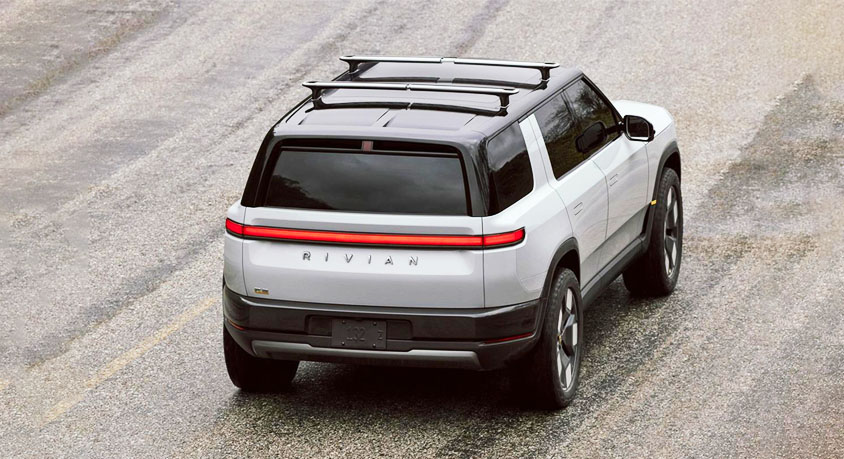
The silence was the first thing they noticed, and in the dusty clearing of a Central Texas ranch, it sounded like a weakness. A Rivian R2, its sleek LED light bar glowing like a gadget from a spaceship, sat humming almost imperceptibly beside a row of Ford Super Dutys and Ram HDs, their diesel engines rumbling a constant, authoritative bass note of readiness. The ranch hands circled it, not with hostility, but with a skeptical curiosity usually reserved for unproven livestock. One tapped the flush-mounted door handle. "How's that gonna work with gloves covered in mud or feed?" he asked, not unkindly, but pointedly. This was the real proving ground, far from Silicon Valley launch events—a place where a truck is judged not by its frunk volume or 0-60 time, but by its ability to perform relentless, unglamorous work. The question hanging in the dry air wasn't about emissions; it was more fundamental: Can this silent machine, brimming with chips and software, legitimately claim the title of "Truck," or is it merely a very capable impostor in the heart of diesel country?
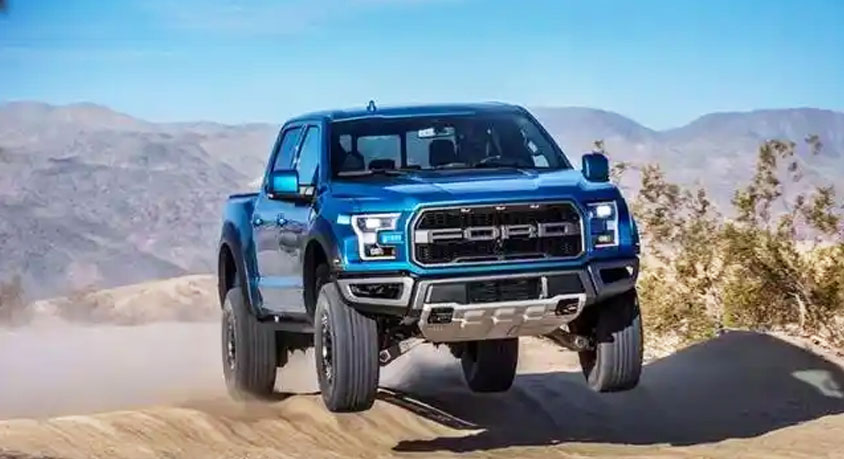
The battle is fought first on the spec sheet, where the electric contenders post numbers that demand respect. The Ford F-150 Lightning Platinum can produce 580 horsepower and 775 lb-ft of torque instantly, out-muscling many V8 competitors off the line. Its maximum towing capacity is rated at a serious 10,000 pounds. The Rivian R2, while slightly smaller, promises similar neck-snapping acceleration and sophisticated all-terrain capabilities. On paper, the duel seems even. But paper doesn't account for the brutal, nonlinear math of real-world towing. Hitching a 7,000-pound livestock trailer to the Lightning for a 150-mile round trip reveals the electric truck's unique physics problem: range annihilation. The silent, effortless pull away from the stop sign is miraculous, but the battery gauge plummets as if stricken by a virus. A gas or diesel truck might see its fuel economy cut in half while towing; an electric truck can see its range cut by 60% or more, transforming a simple day's work into a high-stakes logistics puzzle centered on scarce, high-power charging stations in rural areas.
This leads to the core cultural schism: the concept of "readiness." A traditional truck with a 30-gallon tank can, even while towing, often cover 400 miles before a five-minute refuel at any of ten stations in a 20-mile radius. It is a self-contained tool, its energy dense, portable, and universally accessible. The electric truck, for all its digital supremacy, becomes tethered to a very specific and sparse infrastructure. On a remote job site or during a hurricane evacuation when the power is out, the diesel truck's "refueling network" is a jerry can in the bed. The electric truck is a functional electrical grid—a profound vulnerability in the very scenarios where a truck is often needed most. The mockery at the ranch wasn't about power; it was about perceived fragility in a world that values indestructible, autonomous utility.
The critique extends to the very architecture of the vehicle. The electric truck's flat, sealed underbody—a marvel of aerodynamics and battery protection—is a double-edged sword. For shallow water fording on a flooded ranch road, it's an advantage. For a farmer who needs to replace a transfer case or a rancher who has welded custom skid plates for rock crawling, it's an intimidating, impenetrable black box. The traditional body-on-frame truck is a Lego set of serviceable, understandable components; the electric truck is a monolithic, dealer-dependent appliance. The "frunk" is a fantastic party trick for grocery storage, but it's useless for a rancher who needs to mount a hydraulic pump or a welder directly to the engine bay. The innovation solves urban and suburban problems brilliantly, but can overlook the modular, hackable, repairable nature that defines truck culture in America's heartland.
Yet, to dismiss the electric truck based on these traditionalist frames is to miss its revolutionary advantages. On that same Texas ranch, the Lightning's Pro Power Onboard system can run a full suite of power tools, lights, and a welder simultaneously off its battery, turning the truck into a mobile microgrid—a feature no stock diesel pickup can match. The instantaneous, precisely metered torque vectoring of the Rivian's quad-motor system provides off-road traction control that feels like witchcraft, crawling over obstacles with a calm, computed grace that a spinning, locking-differential truck cannot replicate. The electric truck isn't worse; it's different. It trades the visceral, mechanical symphony and boundless range for silent, digital precision and mobile utility power.
The verdict, then, is not a clear knockout. In the day-to-day life of a suburban contractor needing to haul tools to a job site within a 100-mile radius, the electric truck is not just adequate; it's superior—cheaper to "fuel," packed with useful tech, and devastatingly quick. For the long-haul tower, the cross-country overlander, or the rural user miles from the grid, the current generation of electric trucks imposes significant range and logistics compromises that a diesel truck does not. The question isn't "Is it a real truck?"—by any objective measure of capability, it is. The real question is: "For whose work is it the right tool?" The mockery on the ranch fades when the same hands use the truck's outlets to run a grinder, or experience its sure-footed crawl up a slippery incline. The electric truck hasn't failed the test; it has simply rewritten the exam, facing new questions that the old guard never thought to ask. It may not yet deserve the crown in every corner of Texas, but it has unquestionably earned a seat at the table.
Disclaimer: Mention of any brand or trademark is for identification only and does not imply partnership or endorsement