

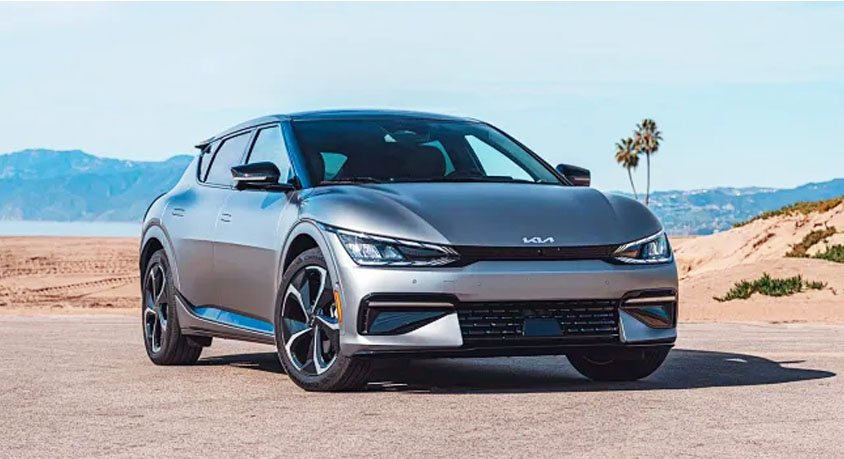
Most mainstream EV buyers default to the Tesla Model 3, believing no affordable electric car can match its overall balance and brand value. This rigid mindset makes countless shoppers overlook critical real-world advantages the updated 2025 Kia EV6 brings to daily driving. After spending two months commuting, road-tripping, and city testing both vehicles back-to-back, I can confirm the Kia EV6 beats the Model 3 in ride comfort and interior build quality but falls short in software fluidity and long-term supercharger network accessibility.
The 2025 EV6’s suspension tuning delivers a far more forgiving ride on broken suburban pavement than the Tesla Model 3. I regularly drive over cracked residential roads and speed bumps during morning school runs and weekend grocery trips, and the Kia’s adaptive damping softens nearly all harsh impact. The Model 3’s stiff, performance-oriented setup transmits every minor road flaw straight into the cabin, creating a tiring ride on daily routes. Even so, the Model 3 holds tighter high-speed stability during windy highway cruising.
I absolutely hate Kia’s overly sensitive regenerative braking system in its default one-pedal drive mode. It’s an aggressively tuned feature designed to maximize battery regen, yet it ruins smooth urban driving. When coasting into parking spots or slowing down for neighborhood crosswalks, the car decelerates far too abruptly without driver input. The Tesla Model 3 offers gradual, predictable regen tuning that adapts naturally to traffic flow, requiring zero constant pedal correction from the driver.
The 800V fast-charging architecture is the EV6’s most game-changing real-world advantage over segment rivals. I stopped at a 350kW public charger during a 300-mile highway road trip and charged from 15% to 80% in just 17 minutes. The Model 3 needs nearly 24 minutes to complete the same charging cycle under identical conditions. This massive time save drastically reduces road trip downtime for casual travelers, though Tesla’s exclusive supercharger network remains far more reliable in remote rural areas.
Cabin material quality and assembly precision blow the Model 3’s cost-cut interior out of the water. Soft-touch leather, padded door panels, and tight panel gaps cover every major touchpoint inside the EV6. I spent hours inside both cars during waiting periods and bad weather, and the Kia’s premium feel is undeniable. The Model 3 uses abundant hard plastic and inconsistent panel alignment, yet Tesla’s minimalist cabin layout offers simpler driver focus during long commutes.
Interior and cargo flexibility makes the EV6 a stronger family daily driver than the Model 3. I loaded a full set of kids’ sports gear, a large cooler, and weekend camping supplies in the rear cargo area without folding the back seats. The raised crossover body creates more headroom for adult rear passengers than the low-slung Model 3 sedan. Despite this practical edge, the Model 3’s rear seat legroom is slightly more generous for tall adult passengers on long drives.
Kia’s native infotainment software suffers from noticeable lag during multi-tasking usage. Switching between navigation, media, and climate menus while driving creates delayed responses and occasional screen freezes. During busy rush-hour commutes, this sluggishness becomes a genuine distraction. Tesla’s streamlined operating system remains the fastest and most intuitive in the affordable EV segment, outperforming both Kia and Hyundai’s software logic by a wide margin.
Low-speed steering weighting is perfectly calibrated for crowded city driving. The EV6’s light, responsive steering makes parallel parking and tight downtown maneuvering effortless for new and casual drivers. The Model 3’s heavier steering feels sportier but increases fatigue during daily urban errand runs. However, the EV6’s light steering becomes vague and disconnected during high-speed highway driving, lacking the locked-in precision of the Model 3.
Cold weather battery retention is a minor weak point for the updated EV6. During testing at 30 degrees Fahrenheit with cabin heat active, the EV6 lost roughly 29% of its rated range. The updated Model 3 battery thermal management system only lost 21% range under the same harsh winter conditions. This difference makes winter road trip planning more restrictive for EV6 owners in northern states.
Overall, the 2025 Kia EV6 is an incredibly well-rounded affordable electric crossover built for daily comfort and road trip convenience. It dominates the Tesla Model 3 in charging speed, interior luxury, ride quality, and family practicality. It falls behind in software performance, supercharger access, cold-weather range retention, and highway steering precision. If you prioritize comfort, build quality, and fast charging for regular road trips, the EV6 is a superior daily EV. If you want seamless software reliability and unmatched highway cruising consistency, the Tesla Model 3 remains the safer long-term pick.
Disclaimer: Mention of any brand or trademark is for identification only and does not imply partnership or endorsement