

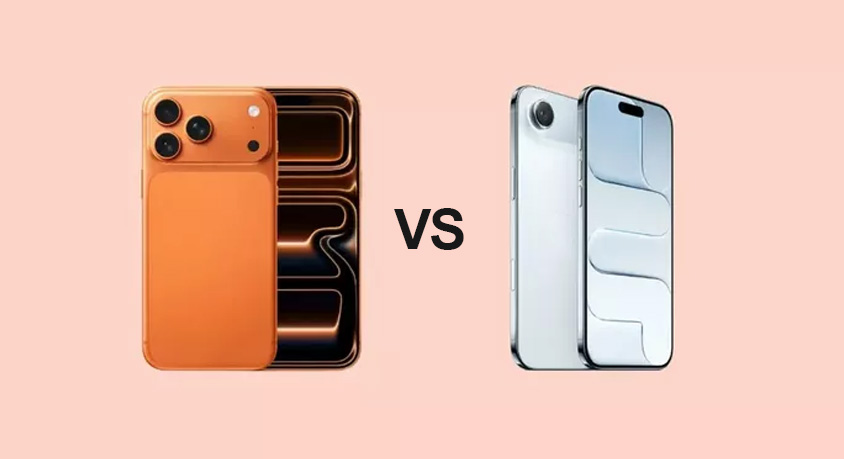
For years, the annual iPhone upgrade cycle has been defined by iterative camera bumps and slightly faster processors. But with the introduction of the iPhone 17 Air, Apple has finally done something different. It has launched a device that prioritizes a single, audacious design goal above all else: thinness. At just 5.64mm, it is the slimmest iPhone ever made, a feat of engineering that feels genuinely futuristic. Yet, this skinny silhouette forces a critical question that cuts to the heart of modern smartphone design: Is the iPhone 17 Air a visionary masterpiece that redefines what a phone can feel like, or is it a beautiful mistake, a product whose pursuit of aesthetics has compromised the fundamental utility we expect from a device we use every day?
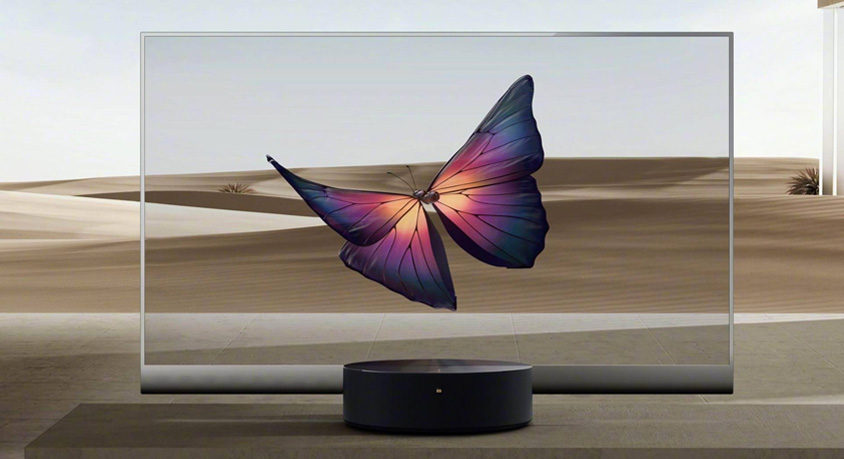
The answer, as with most complex trade-offs, is not a simple yes or no. It depends entirely on what you value. To understand the Air, you must first hold it. The specifications tell one story: a 6.5-inch OLED display, a weight of just 165 grams, and that remarkable 5.64mm thickness crafted from spacecraft-grade titanium. But the experience tells another. Picking up the Air is disorienting in the best way. It feels like holding a concept device, a prop from a future where screens are merely thin, translucent sheets of glass. The titanium frame is cool and dense, providing a reassuring rigidity that belies its wafer-thin profile. It doesn’t feel fragile; it feels precisely engineered. The single camera bar across the back is a deliberate design statement, housing all the necessary components in a way that doesn’t disrupt the phone’s impossibly sleek lines. For the design devotee, the person who appreciates the industrial elegance of a Leica camera or a Bang & Olufsen speaker, this tactile magic is a compelling reason to buy.
However, the moment you move from admiring the Air to using it, the compromises inherent in its design philosophy begin to surface. The most obvious is the camera system. While the single 48-megapixel main sensor is excellent—capable of capturing rich colors and detailed low-light shots thanks to the same core technology found in the rest of the lineup—it is still a single lens. You get no ultrawide for expansive landscapes and, crucially, no dedicated telephoto lens for optical zoom. The 3x in-sensor crop is a software trick, a poor substitute for the true optical reach of the iPhone 17 Pro’s dedicated 48-megapixel telephoto lens, which can achieve up to 8x high-quality zoom. If your photography extends beyond well-composed portraits and flat lays, the Air’s camera will feel like a step backward.
This theme of “singular focus, singular function” extends to other areas. The Air features a single speaker, which delivers sound that is tinny and harsh compared to the stereo richness of the Pro models. For watching videos or listening to podcasts without headphones, it’s a genuinely worse experience. The phone is also eSIM-only worldwide, a decision that, while forward-looking, can be a significant hurdle for travelers or those in regions where eSIM support isn’t yet ubiquitous.
Perhaps the most practical trade-off, however, lies under the hood: performance and battery life. On paper, the Air packs an A19 Pro chip, the same found in the Pro models. But in reality, physics intervenes. The thin chassis lacks the thermal headroom of the thicker Pro. Push the Air with an extended gaming session or heavy video editing, and it will warm up quickly, leading to throttled performance to manage the heat. It’s snappy for daily tasks, but sustained performance is not its forte. This is compounded by the battery. With a capacity hovering around 3,100 mAh, the Air offers “good, but not great” stamina. You can expect a full day on lighter days, but heavy use will have you reaching for a charger by early evening. And when you do, the 20W wired charging is noticeably slower than the 40W charging of the Pro, meaning it takes longer to fill a smaller battery. It’s a frustrating irony.
In stark contrast, the iPhone 17 Pro stands as the antidote to the Air’s philosophy of aesthetic sacrifice. It is thicker, heavier, and unapologetically functional. It embraces its bulk to deliver a versatile triple-camera system with a class-leading telephoto lens, a robust thermal design with a vapor chamber that allows its A19 Pro chip to perform at its peak for longer, and dependable battery life that easily gets power users through a full day. Its 40W charging can refuel the device to 50% in just 20 minutes, getting you back in action faster. The Pro isn’t just a phone; it’s a powerful tool for creators, gamers, and anyone who needs their device to be a limitless extension of their capabilities. It asks you to forgive its heft because it rewards you with uncompromised performance.
Ultimately, the choice between the iPhone 17 Air and the iPhone 17 Pro is not about which is better; it’s about understanding the fundamental trade-off at the heart of each device. The Air is a masterpiece of industrial design, a device that prioritizes a sublime, featherlight feel in the hand. But it is a masterpiece that demands you accept significant compromises in camera versatility, audio quality, sustained performance, and battery endurance. It is for the person who values the object itself above all else. The Pro, on the other hand, is a technological workhorse. It may not evoke the same gasp of surprise when you first hold it, but its mastery lies in its ability to do everything, and do it well, without asking you to think about what it’s giving up.
So, is the Air a mistake? Only if you buy it expecting it to be a Pro. But if you buy it for what it is—a bold, beautiful, and deliberately limited expression of Apple’s design ambition—it might just be the most enjoyable iPhone you can own. It’s a skinny bet on the future, but for now, the Pro remains the smart bet for the present.
Disclaimer: Mention of any brand or trademark is for identification only and does not imply partnership or endorsement