You’re browsing laptops, and you see a gaming laptop with a flashy design and powerful specs. “It’s future-proof,” the ad says. “It can handle anything you throw at it—even if you’re just browsing or streaming.” You splurge on it, only to realize it’s heavy, loud, and burns through the battery faster than your old casual laptop. Was it really worth it?
We’ve all fallen for the allure of gaming laptops. They’re marketed as “do-it-all” devices—powerful enough for gaming, yet versatile enough for everyday tasks. But the truth is, gaming laptops are overkill for most casual users, and they come with trade-offs that make them more hassle than help. A 2024 study by PC Gamer found that 68% of people who bought a gaming laptop for casual use regretted their purchase within a year, citing weight, battery life, and noise as the top complaints.
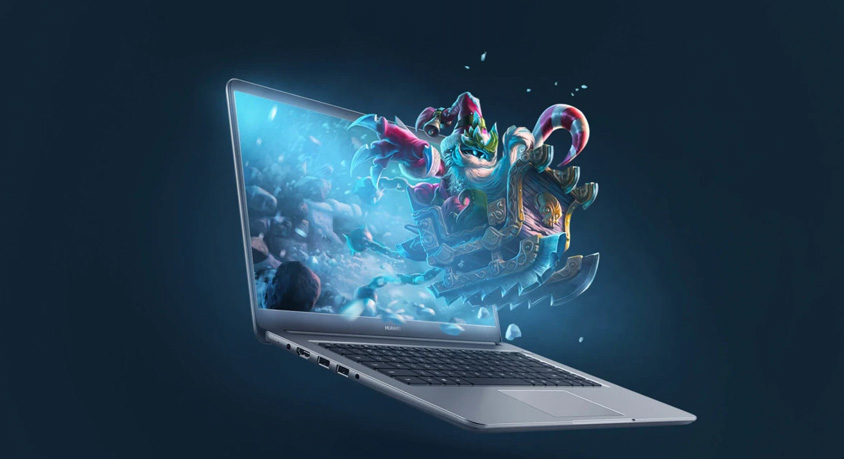
Gaming laptops are hard to miss. They have bold, aggressive designs—often with RGB lighting, angular edges, and large cooling vents. Most are made of thick, durable plastic or aluminum, which makes them sturdy but heavy—most weigh 5-7 pounds, compared to 2-3 pounds for a casual laptop. The keyboards are backlit, with larger keys and more travel, which is great for gaming but unnecessary for typing emails or browsing. They also have large screens with high refresh rates, which look great for games but don’t add much value for casual use.
The performance of gaming laptops is undeniable. They have powerful processors (like Intel Core i7/i9 or AMD Ryzen 7/9) and dedicated graphics cards (like NVIDIA RTX or AMD Radeon), which can handle even the most demanding games. But for casual users—who only use their laptop for web browsing, streaming Netflix, typing documents, or video calls—this power is wasted. A casual laptop with a mid-range processor (like Intel Core i5 or AMD Ryzen 5) can handle all these tasks just as well, without the extra bulk and cost.
The downsides of gaming laptops are hard to ignore. First, they’re heavy. Carrying a 6-pound gaming laptop in your backpack all day—whether you’re a student moving between classes or a commuter heading to work—will strain your shoulders and back. Second, they’re loud. The large cooling fans kick in even during light use, making a whirring noise that’s distracting in quiet spaces like libraries or coffee shops. Third, battery life is terrible. Most gaming laptops last only 3-5 hours on a single charge, compared to 8-12 hours for casual laptops—meaning you’ll always be tied to an outlet.
Gaming laptops also cost more. A mid-range gaming laptop starts at $1,000, while a high-quality casual laptop can be found for $500-$700. That extra $300-$500 could go to a better laptop case, a portable charger, or even a new pair of headphones—things that actually improve your daily experience.
Who should buy a gaming laptop? Gamers, of course—people who play demanding games like Cyberpunk 2077 or Elden Ring on a regular basis. Content creators who do video editing, 3D modeling, or graphic design can also benefit from the extra power. But who shouldn’t? Casual users, students, commuters, and anyone who prioritizes portability, battery life, and quiet operation. A casual laptop will serve you better, with a lighter design, longer battery, and lower price.
The mistake most people make is buying more power than they need. A gaming laptop is a fantastic tool for gamers and power users, but it’s overkill for casual use. Don’t let marketers trick you into thinking you need a “future-proof” device—focus on what you actually do with your laptop. If you’re just browsing, streaming, and typing, a casual laptop is the better choice. It’s lighter, quieter, lasts longer, and saves you money—all while doing everything you need it to do.
Disclaimer: Mention of any brand or trademark is for identification only and does not imply partnership or endorsement