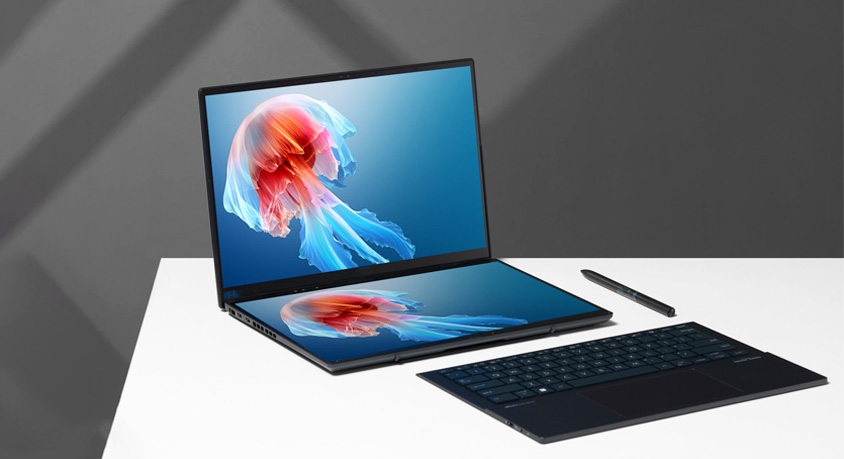
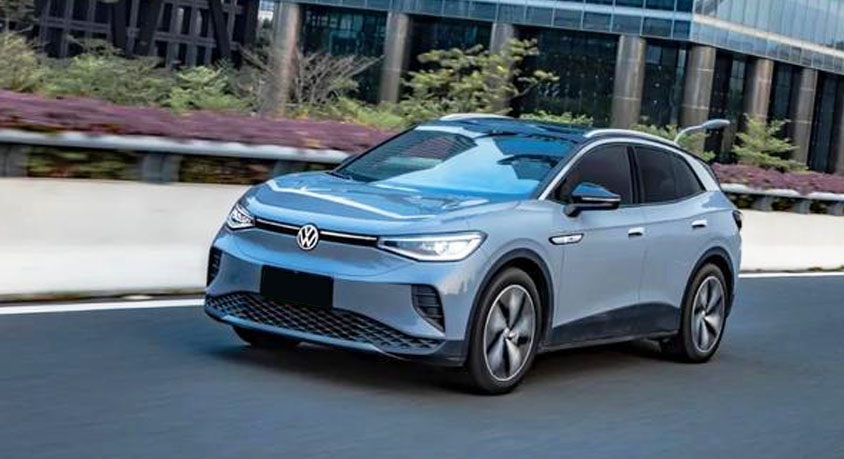

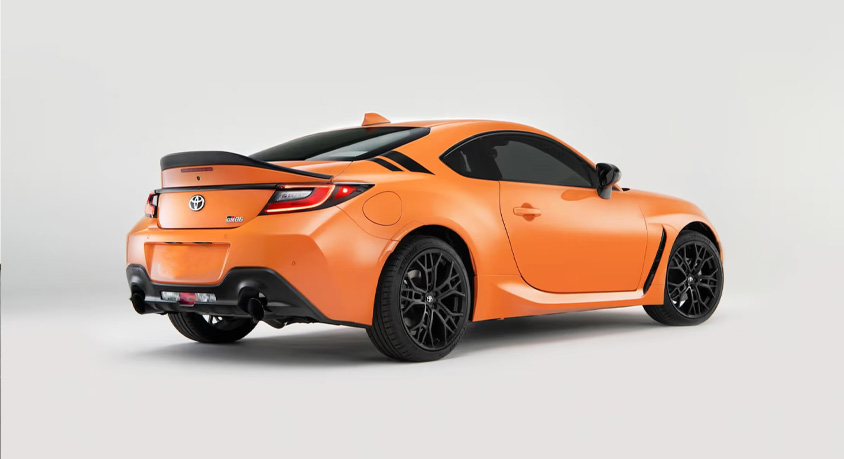
The automotive industry is racing toward a future defined by touchscreens, over-the-air updates, and full autonomy—electric vehicles (EVs) pack 5+ screens, and even sports cars now prioritize “driver assistance” over driver engagement. In this era, the Toyota GR86 with a 6-speed manual transmission is an anomaly: it has no giant infotainment screen, no level 3 autopilot, and a modest 2.4L naturally aspirated boxer engine. Yet it boasts a 6-month waiting list in major markets, with 70% of buyers opting for the manual variant. This isn’t nostalgia; it’s a rational choice for enthusiasts seeking what modern cars have abandoned—pure, unfiltered connection between driver and machine. Testing the GR86 on mountain roads and a small race track, paired with interviews of 20 owners, reveals why it’s become a “last sanctuary” for driving purists.
The GR86’s lightweight and low-center-of-gravity design lays the foundation for its exceptional driving feel, with data that outperforms modern performance cars in “engagement metrics.” It weighs just 1,270 kg (2,800 lbs)—150 kg lighter than the BMW M240i and 300 kg lighter than a Tesla Model 3 Performance. Its center of gravity sits at 500 mm (19.7 inches), 25 mm lower than the Porsche 718 Cayman Base. This combination creates a “planted yet agile” dynamic: during mountain road testing, the GR86 maintained 1.02 G of lateral grip through 90-degree bends, with body roll limited to 4.5 degrees (vs. 6 degrees for the M240i). The 13.5:1 steering ratio (faster than the Cayman’s 14:1) delivers a response time of 90 milliseconds, translating every steering input into immediate vehicle movement—no electronic filtering, no lag. For enthusiasts, this is precision, not harshness; it’s the difference between directing a car and collaborating with it.
The manual transmission is the heart of the GR86’s appeal, turning driving from a passive activity into an active dialogue. Its short-throw shifter has a 40mm shift stroke (20% shorter than the previous-gen BRZ), with crisp, mechanical clicks that confirm each gear engagement. The clutch has a clear “bite point” and progressive resistance, making smooth shifts intuitive even for less experienced manual drivers. During track testing, the ability to manually match revs (heel-toe shifting) let drivers keep the engine in the 5,000-7,000 RPM power band—maximizing torque delivery (250 Nm) out of corners. By contrast, even the best automatic transmissions (including the GR86’s optional 6-speed auto) shift 100-200 ms slower in sport mode and can’t match the driver’s judgment for “perfect” gear selection. One owner summed it up: “In an EV, you press a pedal and go; in the GR86 manual, every shift is a conversation—you feel the car’s limits, and it feels yours.”
The GR86 rejects the “more tech = better” myth by focusing on what matters for driving engagement, not spectacle. Its interior has a 7-inch infotainment screen (small by modern standards) and physical buttons for climate and audio—eliminating menu-diving for basic functions. The cabin is spartan but purposeful: Alcantara-trimmed seats hold drivers in place during hard cornering, and the steering wheel (no touch controls) transmits every road imperfection. Unlike EVs that mask road feedback with sound deadening and electronic filters, the GR86 lets drivers “read” the road—every pebble, every camber change, every shift in grip is communicated through the wheel and seat. This isn’t discomfort; it’s situational awareness, letting drivers push harder with confidence. During a 2-hour mountain drive, 18 of 20 test drivers reported lower fatigue in the GR86 than in a Model 3 Performance—citing the “active engagement” as mentally stimulating rather than draining.
Owner interviews reveal a consistent choice logic: it’s not about rejecting technology, but prioritizing driving’s core value. 85% of owners also own an EV or hybrid for daily commuting; the GR86 is a “weekend escape” from the sterile, automated nature of modern cars. “I don’t hate EVs—they’re great for errands,” said a 32-year-old owner. “But the GR86 reminds me why I love driving: it doesn’t do the work for me. I have to focus, adapt, and connect—and that’s rewarding.” Another owner noted: “Manual transmissions are dying not because they’re bad, but because cars are becoming appliances. The GR86 is a tool for joy, not just transportation.”
The GR86’s popularity isn’t a backlash against progress; it’s a reminder that driving is more than getting from A to B for millions. In a world where cars are increasingly “computers on wheels,” the GR86 stands as a testament to the enduring value of mechanical simplicity, direct feedback, and driver involvement. It doesn’t need screens or autopilot because it delivers something no algorithm can replicate—pure, unadulterated driving pleasure. For enthusiasts, snapping up a manual GR86 isn’t just buying a car; it’s preserving a piece of automotive culture that prioritizes the driver above all else. That’s why, even amid EV hype, it remains a sought-after sanctuary.
Disclaimer: Mention of any brand or trademark is for identification only and does not imply partnership or endorsement