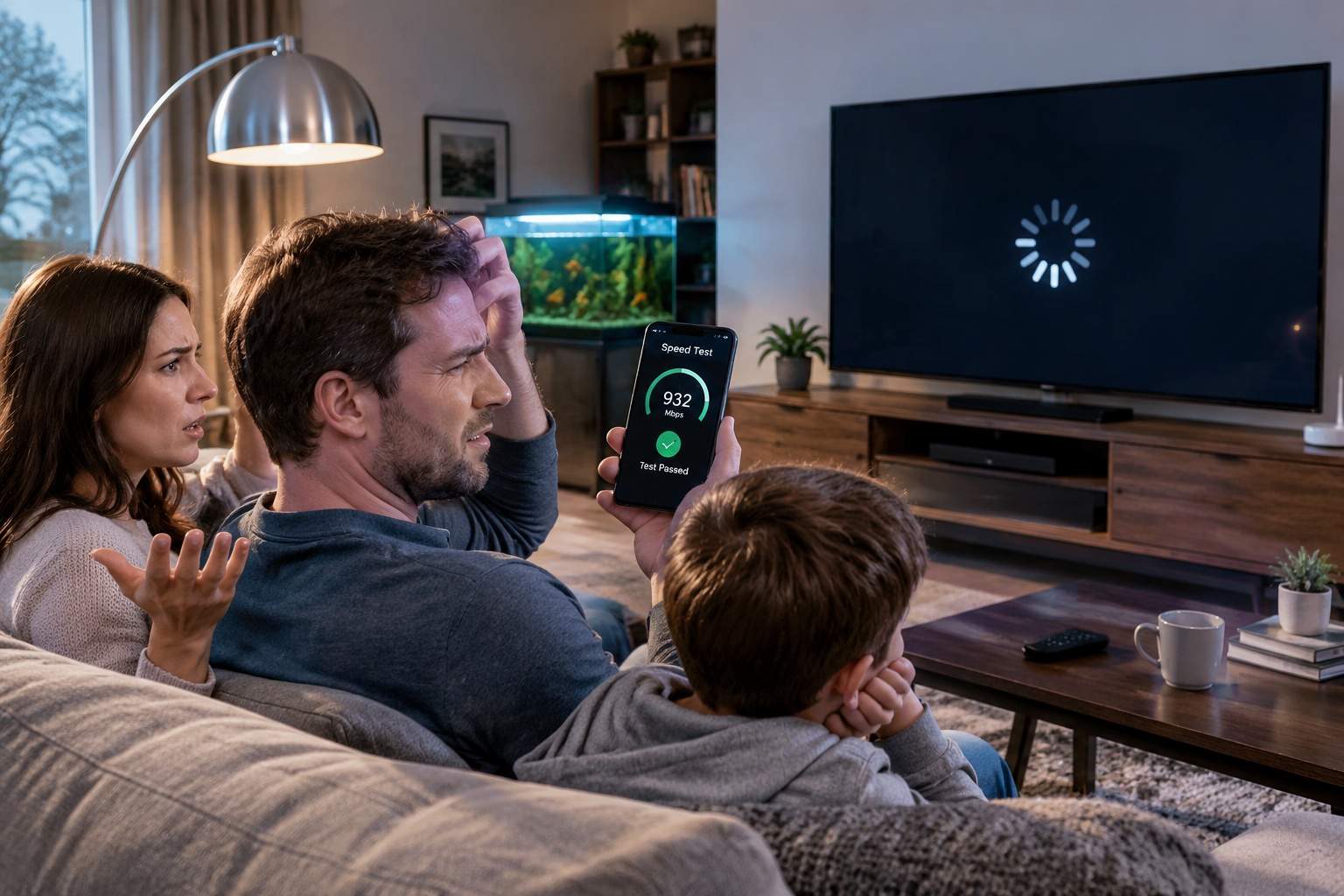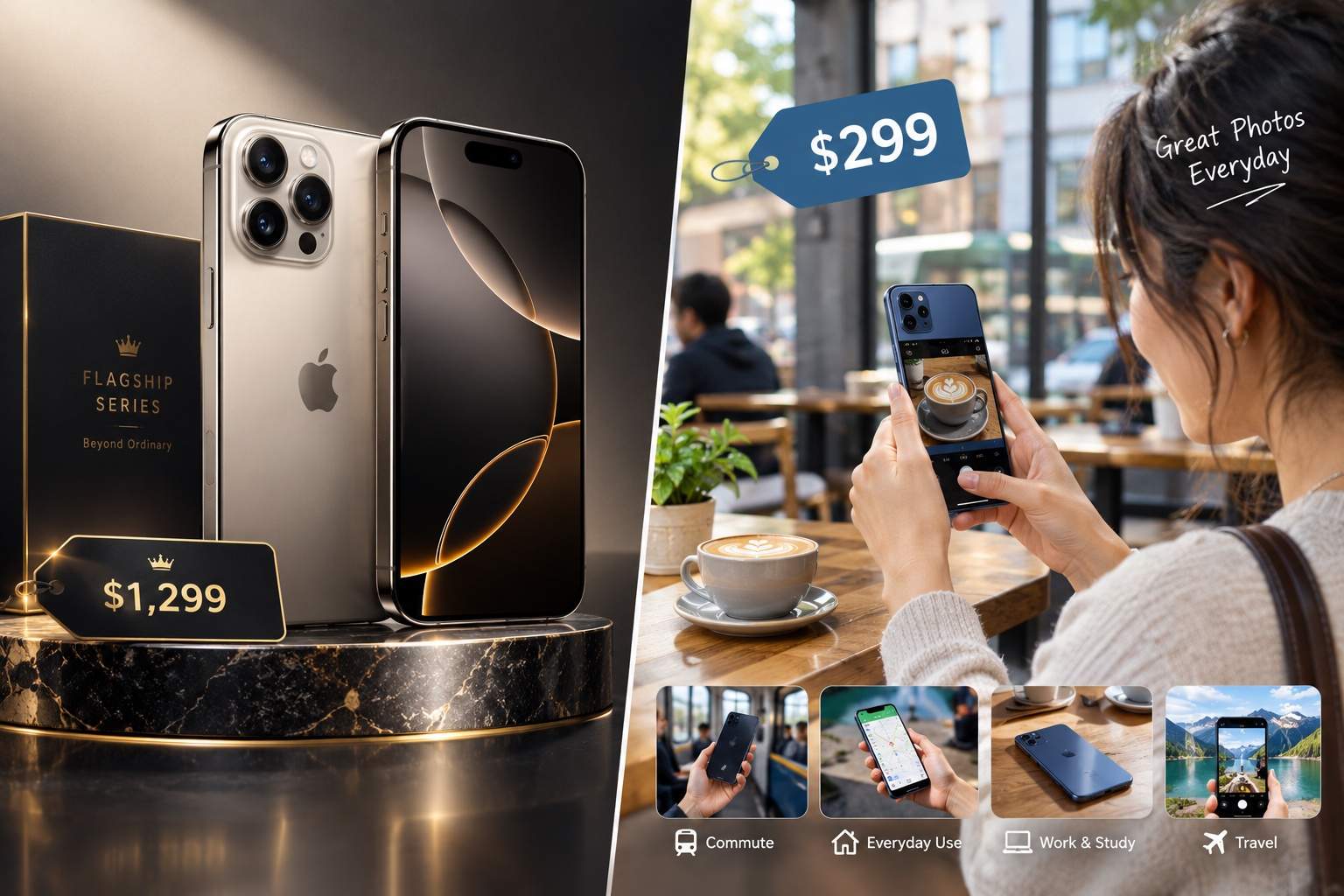
Alright folks, let's have a chat about that buzzing rectangle in your pocket. Your current companion is getting a bit long in the tooth: apps stutter, the battery gives up before you do, and you're contemplating an upgrade. But then you see the price tag on the latest "flagship" – a cool $1200, maybe $1500. Your wallet whimpers. You think, "Do I really need to remortgage my couch for a phone that'll feel old in two years anyway?" That internal tug-of-war, that fear of missing out on the "best," is exactly what we need to tackle.
Here's the rub from someone who’s seen the guts of these gadgets for decades: that flagship obsession? It's largely a financial illusion. For years, the industry pushed a simple narrative: more money equals better everything. And while technically true on a spec sheet, the real-world difference for 90% of us has shrunk to barely noticeable margins. You're paying a premium for increasingly marginal gains.
Let's talk brass tacks: performance. Most of us spend our screen time scrolling social media, streaming videos, chatting, and maybe a bit of light gaming. Does that require the absolute cutting-edge processor? Honestly, no. Today's mid-range smartphones pack chipsets that were considered top-tier just a few years ago. Think of it this way: your daily commute doesn't require a Formula 1 race car. A reliable, efficient sedan gets you there just fine, and often with less fuss. Data shows that for typical daily tasks, a mid-range processor (like a Snapdragon 700 series or a MediaTek Dimensity 8000 series) delivers 85-90% of the raw speed of a flagship, for often 60-70% less cost. What does that 10-15% difference get you? A few milliseconds faster app launch or slightly higher frame rates in games you probably don't play. Is that worth a thousand dollars?
Display quality is another battleground. OLED screens are fantastic, no doubt. But the gap between a flagship OLED and a good mid-range OLED, or even a top-tier LCD, has narrowed. Contrast ratios, color accuracy, and brightness levels on mid-range devices are now exceptional for daily viewing. In a restaurant with complex ambient lighting, you'll find both a $1500 phone and a $500 phone will display your food photos beautifully. The difference? Maybe the flagship hits 1500 nits peak brightness for 0.003 seconds, while the mid-ranger hits 1200 nits. Your eyes won't care.
Then there's the camera. This is often the biggest selling point for flagships. Yes, they have more lenses, larger sensors, and more advanced computational photography. But consider your actual usage. Are you printing billboard-sized photos, or sharing them on Instagram? A mid-range phone today, with its 50MP main sensor and decent software processing, can capture stunning, shareable photos in most conditions. The "night mode" on a $600 phone can now clearly capture details of a dimly lit cityscape, a feat unheard of just a few generations ago. The $1500 phone might offer slightly better low-light video or a marginally sharper zoom beyond 5x, but again, for most users, this is overkill.
Battery life and design are also areas where mid-range has soared. Many affordable phones now boast massive batteries (5000mAh+) that easily last a full day, sometimes two, making those "battery dies before dinner" woes a distant memory. Charging speeds have also accelerated across the board. And when it comes to design, many mid-range phones sport premium materials like glass backs, sleek bezels, and durable finishes. The feel in your hand, the weight balance, the tactile feedback of buttons – these "design" elements are no longer exclusive to the top tier.
So, who is the mid-range for? It's for most of us. It's for the student needing reliability, the parent managing family schedules, the professional who needs communication and productivity on the go, or anyone who values smart financial decisions. It's for the person who needs a tool that works exceptionally well without being a showpiece. Who isn't it for? Niche professionals like mobile filmmakers, competitive gamers who demand absolute peak performance, or perhaps specific early adopters who absolutely must have the bleeding edge of experimental tech. But even they are a shrinking minority.
The next time your device feels sluggish, remember this: the smart upgrade isn't about the biggest number on the price tag. It's about finding the sweet spot where performance, features, and cost align perfectly with your actual needs. Today's mid-range tech is often that sweet spot, offering an incredible bang for your buck and freeing your wallet for experiences, not just specs. Let technology serve you, not your wallet.
Disclaimer: Mention of any brand or trademark is for identification only and does not imply partnership or endorsement