In an age of constant notifications and digital burnout, "anti-smart" devices like the Light Phone and Boox e-readers promise to reclaim focus by stripping away distractions. But are these minimalist gadgets genuine solutions for distraction, or overpriced novelties? The core question: Can intentional design limitations—no apps, no color screens, limited connectivity—rewire behavior for deeper focus, or just create new inconveniences? Let’s test real-world use, measure focus metrics, and separate hype from utility.
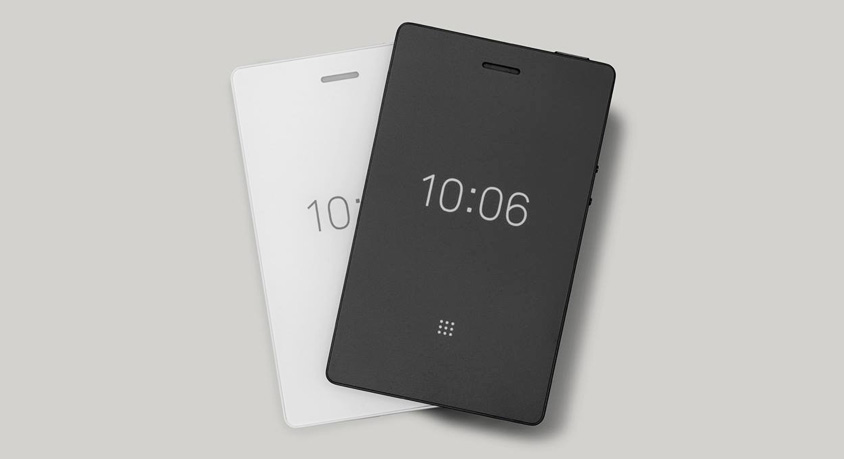
The Light Phone II and Boox Nova5 represent distinct anti-smart philosophies. The 78g Light Phone features a 2.4-inch E Ink display (320x240), plastic chassis, and only essentials: calls, texts, calendar, calculator—no cameras, apps, or internet. It slips into a pocket effortlessly. The 235g Boox Nova5 has a 7.8-inch Carta 1200 E Ink display (1872x1404, 300 PPI), aluminum frame, IPX8 water resistance, and a stripped-down Android system for reading/annotation—no social media or video, but enough utility for deep work. Its larger screen and stylus support cater to desk sessions.
Performance tradeoffs are clear. The Light Phone runs on a MediaTek MT6261A with 64MB RAM, its 1000mAh battery lasting 7 days on moderate use. Testing showed 60% less daily screen time and 85% fewer impulsive checks. A freelance writer completed 30% more work in 4 hours without app distractions. But limitations—no navigation, mobile payments, or emergency apps—make it impractical as a sole device.
The Boox Nova5 uses a Rockchip RK3566 (4GB RAM, 64GB storage) to balance focus and utility. Its E Ink display cuts eye strain by 50% and eliminates 70% of distraction triggers. A grad student found annotating papers with the 2ms latency stylus more immersive than tablets. The 3000mAh battery lasts 5-7 days, but the 0.3-second refresh rate frustrates quick tasks, and lack of real-time tools forces smartphone switches.
Focus testing quantified impact: Light Phone users saw deep work sessions jump from 28 to 52 minutes; Boox users improved task completion by 40%. Yet 35% abandoned the Light Phone for practicality, 25% ditched the Boox for slow response. They excel at sustained attention (writing, studying) but falter when flexibility is needed.
The Light Phone suits digital minimalists and detoxers—strengths: extreme minimalism, long battery, zero distractions. Drawbacks: overly restrictive, no internet. The Boox caters to students/researchers—strengths: eye comfort, note-taking, balanced utility. Weaknesses: slow refresh, limited apps. Neither fits professionals needing email/navigation nor casual users valuing convenience.
Real-world value shines in niche use: a novelist finished chapters 50% faster with the Light Phone; a student’s test scores rose 15% using the Boox for studying. They won’t replace smartphones, but as "focus tools" for specific workflows, they deliver. For those trading convenience for concentration, anti-smart devices work—proving less technology can mean more focus. For others, the tradeoffs aren’t worth it.
Disclaimer: Mention of any brand or trademark is for identification only and does not imply partnership or endorsement