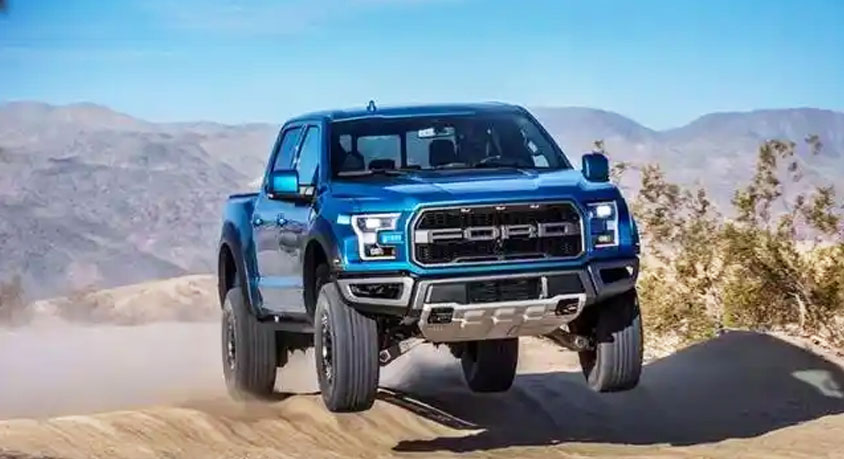
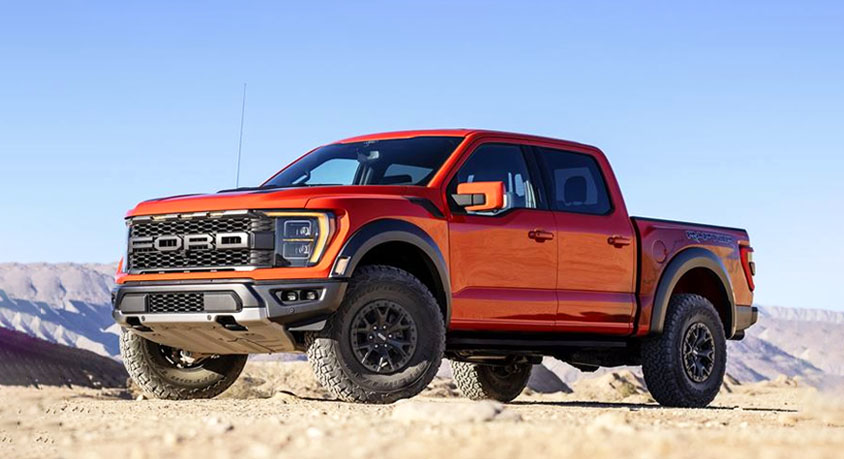
We conduct a simple, chilling experiment in an empty parking lot. A modern Ford F-150 SuperCrew is parked, its imposing grille facing a line of traffic cones. A volunteer, a child-sized mannequin, is placed directly in front of the bumper. From the driver's seat, elevated nearly five feet off the ground, the view is a vast expanse of asphalt and hood—the mannequin is utterly, completely invisible. We begin to slowly walk it backward. It isn't until the figure is a staggering 18 feet away from the front bumper that the top of its head finally appears over the hood's leading edge. Eighteen feet. That is longer than the entire wheelbase of a Honda Civic. This is not a malfunction or a trick of perspective; it is the inevitable geometric consequence of a vehicle whose hood height has grown to over 55 inches tall, a dimension that has increased by an average of 11% since the early 2000s. This experiment, replicated with similarly terrifying results with vehicles like the GMC Hummer EV (with a hood height approaching 60 inches), frames the central, uncomfortable question: how did the utility vehicle evolve into a geometry that actively obscures its immediate surroundings, and what are the societal costs of this design arms race?
The explanation is a confluence of market forces, regulatory loopholes, and aesthetic trends, not a single villain. A key enabler is the U.S. regulatory framework. The Federal Motor Vehicle Safety Standards (FMVSS) mandate stringent crash protection for occupants inside a vehicle, particularly in frontal offset tests. A taller, more upright front end provides engineers with more space to structure a robust crash-management system that excels in these regulated, vehicle-to-vehicle scenarios. Simultaneously, vehicles classified as "light trucks"—a category encompassing pickups and large SUVs—are subject to less stringent fuel economy and emissions targets under the Corporate Average Fuel Economy (CAFE) standards than passenger cars. This creates a perverse incentive for manufacturers to prioritize and market these larger, more profitable vehicles. The design language follows the business case: high, square hoods and imposing grilles project an image of rugged capability and security, a visual armor that resonates powerfully in the marketplace, even if the primary terrain conquered is a supermarket parking lot.
The psychological contract offered to the driver is one of command and perceived safety. Sitting high above other traffic creates a literal and figurative sense of dominance, a feeling of being insulated from the chaos of the road. The thick A-pillars, necessary for roof-crush standards, and the high beltline complete a protective capsule. However, this fortress-like feeling has a direct external cost. The massive blind zones are not just in front; the high rear bed and small rear window create a substantial rear blind spot, while the sheer length of a crew-cab, long-bed truck can create "A-pillar jungles" that hide pedestrians and cyclists at intersections. The vehicle's design optimizes for the occupant's feeling of safety at the expense of the actual safety of vulnerable road users outside it. It is a classic case of a negative externality, where the cost of one party's preference (size and command) is borne by others (increased risk of injury or death).
The data paints a sobering picture. Studies, including those from the Insurance Institute for Highway Safety (IIHS), have shown a strong correlation between the rising pedestrian death toll in the United States and the increasing popularity of these large, high-fronted vehicles. The physics are brutally simple: when a pedestrian is struck by a conventional car, they are more likely to be hit in the legs and roll onto the hood. When struck by a tall truck or SUV, the primary impact is in the torso or head, directly transferring more force to vital areas and dramatically increasing the likelihood of fatal injury. Furthermore, the driver's elevated sightlines are often aimed farther down the road, making it easier to miss a small child or a crouching pedestrian immediately in the vehicle's path. The design that makes the driver feel secure actively engineers a more lethal environment for everyone else.
Addressing this engineered risk does not require abolishing the pickup truck, but rather introducing intelligent accountability and technology. Stricter visibility standards, similar to those long in place in Japan and Europe, could mandate direct lines of sight closer to the front of the vehicle. Regulators could close the "light truck" loopholes that incentivize size growth. Most immediately, the industry has the tools to mitigate the danger it has designed. 360-degree camera systems, advanced front pedestrian detection with automatic emergency braking, and perimeter sensor arrays should be standard, non-negotiable safety equipment on every full-size truck sold, not luxury add-ons. This technology acts as a digital conscience, compensating for the mechanical blindness created by the vehicle's form.
Ultimately, the supersized American truck is a cultural artifact that reflects deeper values: a desire for individual security, a preference for conspicuous capability, and a regulatory environment that has failed to adequately balance innovation with public safety. It is a masterpiece of engineering that solves a complex set of problems for the manufacturer and the buyer, while quietly exporting a grave set of risks to the sidewalk. The measure of a vehicle's sophistication should not be how thoroughly it can insulate its operator from the outside world, but how intelligently it integrates with that world. The true test of the automotive industry's ingenuity in the coming years will not be making trucks more powerful or more connected, but whether it can redesign them to see the child in the crosswalk—and in doing so, demonstrate that genuine progress cannot be measured in inches of ground clearance alone, but in the breadth of our collective responsibility.
Disclaimer: Mention of any brand or trademark is for identification only and does not imply partnership or endorsement