

The ritual has become a form of financial self-flagellation. You pull up to the pump, watch the digital numbers spin with dizzying speed, and feel a tangible part of your weekly budget evaporate into fumes. This acute pain at the point of refueling is quietly fueling a revolution in the most sacred of American vehicle segments: the pickup truck. The revolutionaries aren't the hulking, 700-horsepower diesel beasts, but rather two seemingly modest offerings that prioritize economic sanity over excess capability: the unibody Ford Maverick Hybrid and the full-size-but-savvy Ram 1500 with eTorque mild-hybrid assistance. They represent a profound reassessment of the "utility" in Sport Utility, asking not what maximum load a truck can bear, but what minimum operational cost it can achieve while still completing 95% of real-world tasks.
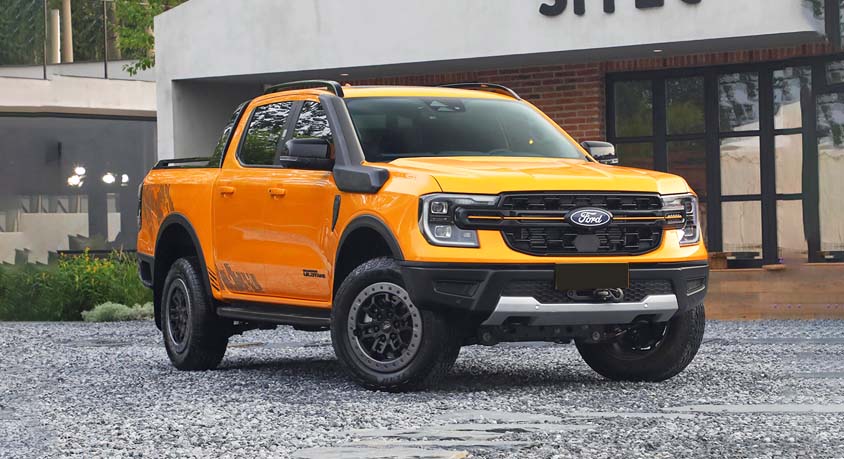
Slip behind the wheel of the Ford Maverick, and its subversion is immediate. It feels more like a raised hatchback than a traditional body-on-frame truck, because that's essentially what it is. The standard hybrid powertrain pairs a 2.5-liter Atkinson-cycle four-cylinder with an electric motor, delivering a staggering EPA-estimated 42 MPG in the city. In practice, this means weeks of commuting, school runs, and errands can pass without a visit to the gas station. The electric motor provides instant, silent torque from a stop, making it feel sprightly in urban traffic. Its 4.5-foot bed, while modest, easily swallows bags of mulch, a mountain bike with the front wheel off, or a weekend's worth of camping gear. The compromise is baked into its bones: the unibody construction and front-wheel-drive-based platform limit towing capacity (a maximum of 4,000 lbs with the optional turbo engine) and its ability to handle truly severe off-road terrain. The cabin, though cleverly packaged, is awash in hard, scratchy plastics, and the engine can become coarse and vocal when pushed for highway passing power.
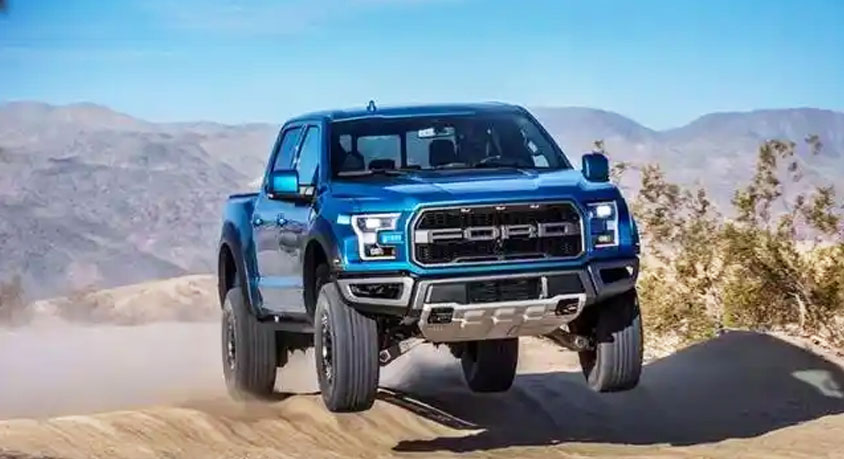
The Ram 1500’s approach is one of stealthy efficiency within a conventional framework. Its eTorque system is not a true parallel hybrid like the Maverick's; think of it as a sophisticated, belt-driven alternator-starter that acts as a powerful assistant. It provides a perceptible torque fill off the line, enables seamless engine stop-start, and allows for extended fuel-saving sailing in certain conditions. The result is a full-size, V8-powered pickup that can achieve a credible 23 MPG combined—a figure that sounds modest until you realize it's attached to a truck that can comfortably tow over 7,000 pounds and haul a full-size sheet of drywall in its bed. The Ram doesn't ask you to downsize your expectations, just to operate them more efficiently. However, this mild-hybrid system’s benefits are most felt in city driving; on steady highway cruises, its advantage diminishes. Furthermore, the Ram’s luxury and capability come at a significantly higher entry price than the Maverick’s, placing it in a different budgetary conversation.
This distinction highlights the true genius of this movement: market segmentation through intelligent compromise. The Maverick is the ultimate urban and suburban tool. It’s for the homeowner who needs to haul yard waste, the surfer with boards, the small-business owner making local deliveries. It replaces a fuel-inefficient sedan or small SUV, offering marginally more utility with dramatically lower running costs. The Ram 1500 eTorque, conversely, is for the traditional truck buyer experiencing price shock at the pump. It’s the contractor who needs a full-size bed and substantial towing but wants to trim his operating expenses, or the family that uses its truck for road trips and boat towing but also as a daily driver. It offers a guilt-reduction feature, not a lifestyle overhaul.
Neither vehicle is without its idiosyncratic annoyances. The Maverick’s infotainment system can be sluggish, and its continuously variable transmission (CVT) emits a droning sound under hard acceleration that enthusiasts will despise. The Ram’s complex eTorque system, while generally reliable, adds another layer of potential long-term repair complexity to an already intricate machine. The Maverick’s greatest flaw might be its own success, with demand still outstripping supply and dealers often charging markups, undermining its value proposition. The Ram’s flaw is the inherent weight and aerodynamic penalty of being a full-size truck; no mild-hybrid system can overcome the fundamental physics of moving a massive brick down the road at 75 mph.
The rise of these trucks is a clear market signal, a behavioral correction written in sales figures. It signifies a shift from "maximum possible" to "optimal necessary." They prove that for a vast swath of Americans, the cultural totem of the oversized pickup is less important than the practical mathematics of ownership. The Maverick and the efficient Ram succeed not by being the best at any one extreme, but by being remarkably competent at the blend of duties that define actual daily life. They acknowledge that the most heroic feat a truck can perform in 2026 isn't pulling a 10,000-pound trailer up a mountain pass, but doing the weekly rounds without making its owner dread the sight of a glowing gas pump icon. In an era of volatility, that kind of predictable, affordable utility isn't just smart—it feels like a small, quiet act of rebellion.
Disclaimer: Mention of any brand or trademark is for identification only and does not imply partnership or endorsement