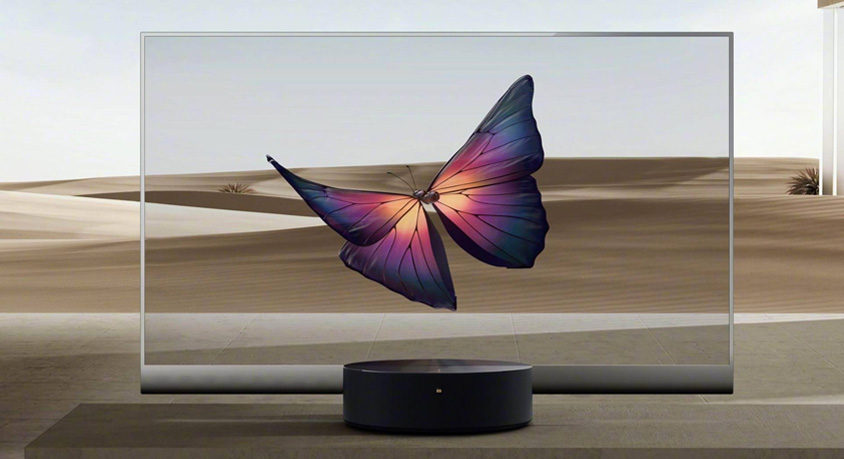
The resurgence of transparent electronics—from concept laptops with see-through keyboards to smartphones with visible internal components—feels like a direct pull from cyberpunk fiction. It signals a rejection of the anonymous black slab, promising a future where technology is visually demystified. But this raises a critical question: when the core utility of a device is information display or data processing, what functional advantage does transparency provide? After spending time with the leading example of this trend, the Lenovo ThinkBook Transparent Display Laptop prototype, the answer becomes nuanced. Transparency is not a distraction from bad hardware per se, but rather a bold declaration that for certain segments, the aesthetic and experiential narrative of a device has become as important as its computational specs. It represents a pivot from raw performance as the sole metric of value to a more holistic, almost philosophical valuation of an object's relationship to its environment and user.
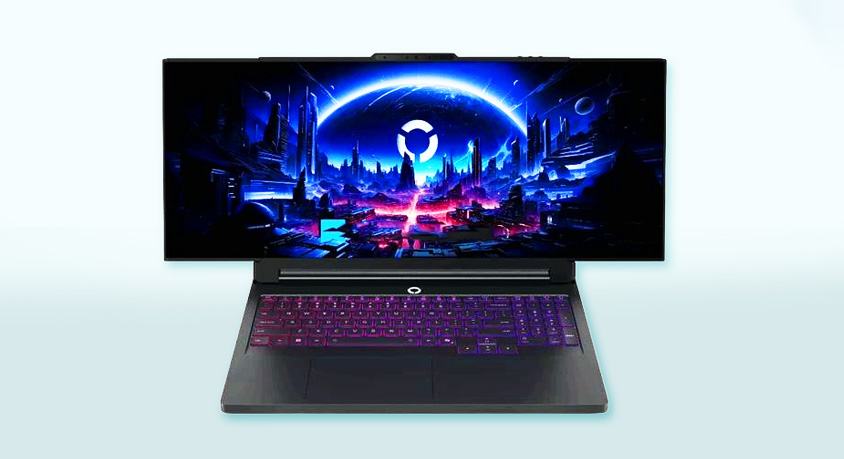
The ThinkBook prototype is an engineering spectacle. Its 17.3-inch Micro-LED transparent display offers 55% transparency when the pixels are off, a full-color range, and a brightness of 1000 nits. The display itself is the core achievement; underneath, you can see a non-transparent keyboard base housing a fairly standard, mid-range 13th Gen Intel Core i7 processor, integrated graphics, and 16GB of RAM. The transparent display is not a performance upgrade; it is a radical alteration of the device's interaction model. The pursuit of transparency forces other compromises: there is no traditional webcam (it would be visible and awkward), so facial recognition relies on an under-display camera with lower quality. Battery life is likely reduced compared to an opaque counterpart, as the display technology is less mature and efficient. The device is a proof-of-concept where the display technology is the star, and the conventional computing hardware plays a supporting, almost generic role.
The practical experience is surreal and context-dependent. In a well-lit environment, the transparency effect is striking. It creates an augmented reality-like feeling, allowing you to see both your work and the world behind the screen. For a graphic designer presenting a logo to a client, placing the prototype over a physical product or fabric sample to visualize integration is a genuinely unique use case. For a museum curator, it could serve as a dynamic overlay for an artifact. However, for the vast majority of computing tasks—writing a report, coding, analyzing a spreadsheet—the transparency is an active hindrance. Text and UI elements must fight for clarity against the visual noise of whatever is behind the laptop. Lenovo's software includes modes to create an opaque background for windows, but this defeats the purpose, essentially turning the innovative display into a worse version of a traditional one, with lower contrast and potential for glare. The "wow" factor lasts about ten minutes before the practicality questions dominate.
This highlights the core tension. The transparent display is a solution in search of a very specific set of problems. It does not make Excel run faster or render video quicker. Its value is almost entirely experiential and demonstrative. In an era where year-over-year CPU and GPU gains have become marginal for most users, manufacturers are exploring new vectors of differentiation. Transparency is one such vector—a dramatic, conversation-starting differentiator that has little to do with the classic performance benchmarks. It's not that the hardware inside is "bad"; it's that the hardware's raw power is no longer the most interesting story the manufacturer can tell. The story is now about form, material, and new modes of interaction.
Therefore, assessing this trend requires a clear-eyed understanding of the audience. Transparent tech in its current form is not for the mainstream user seeking the best tool for productivity or entertainment. It is a bold statement piece for early adopters, designers, and tech enthusiasts for whom the novelty and artistic statement are part of the product's value. It is for scenarios where the device is as much a display object as a functional one—retail, presentations, art installations.
For the general consumer seeking performance, battery life, and screen quality, a traditional, opaque device with the same internal specs will offer a superior, less compromised experience at a likely lower cost. The transparent design introduces complexity, cost, and functional trade-offs that are unjustifiable if you only care about the output.
The return of transparent tech is neither a revolution nor a mere distraction. It is a symptom of a maturing industry. When incremental performance gains become hard to market and perceive, companies invest in making the object itself remarkable again. It shifts the value proposition from "what it does" to "how it exists in the world and how it makes you feel." It is a design-led experiment probing whether we are ready to value our tools as much for their aesthetic dialogue as for their processing power. For now, the answer for most is no. But as a harbinger of a more expressive, varied technological landscape, it is a fascinating and telling development.
Disclaimer: Mention of any brand or trademark is for identification only and does not imply partnership or endorsement