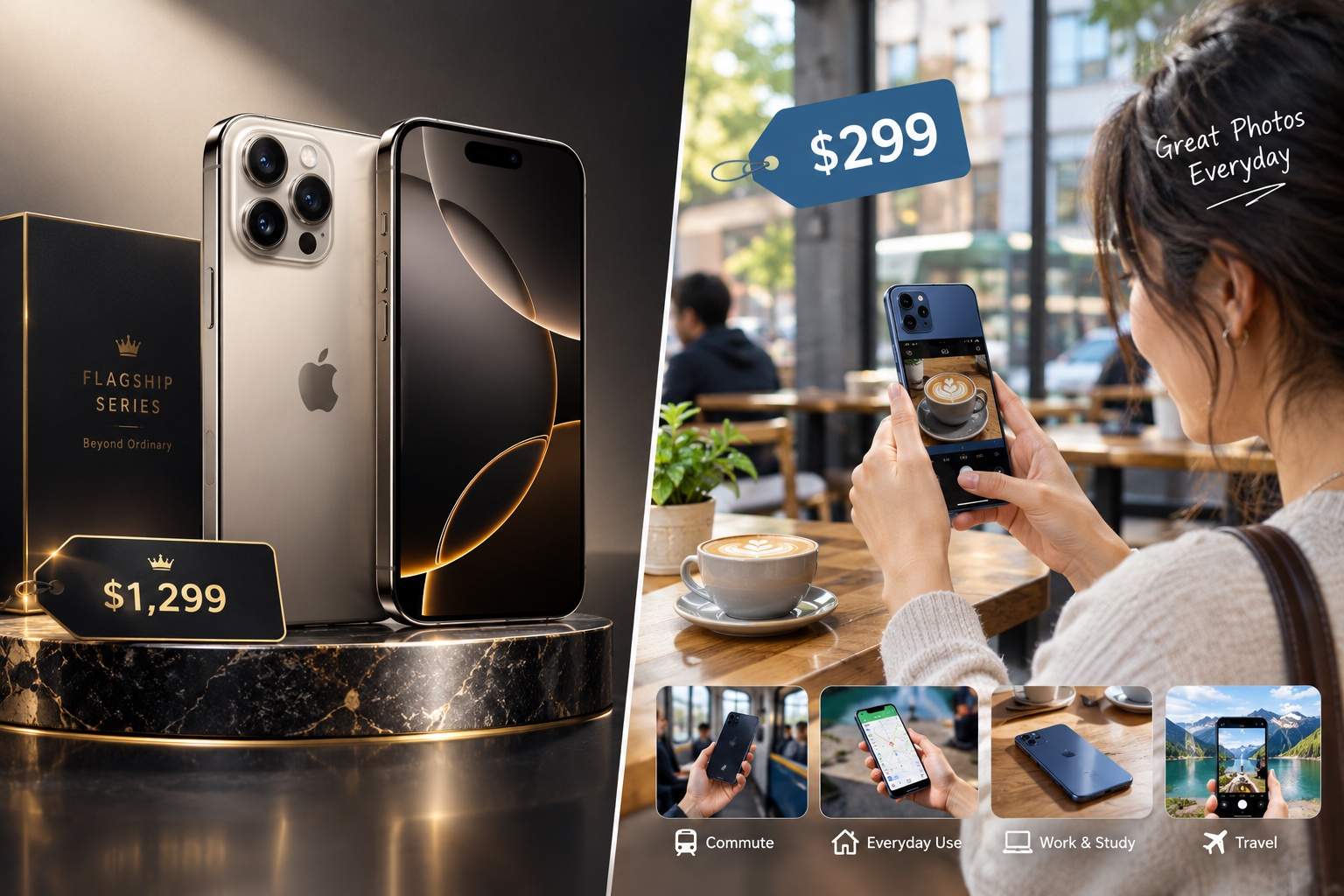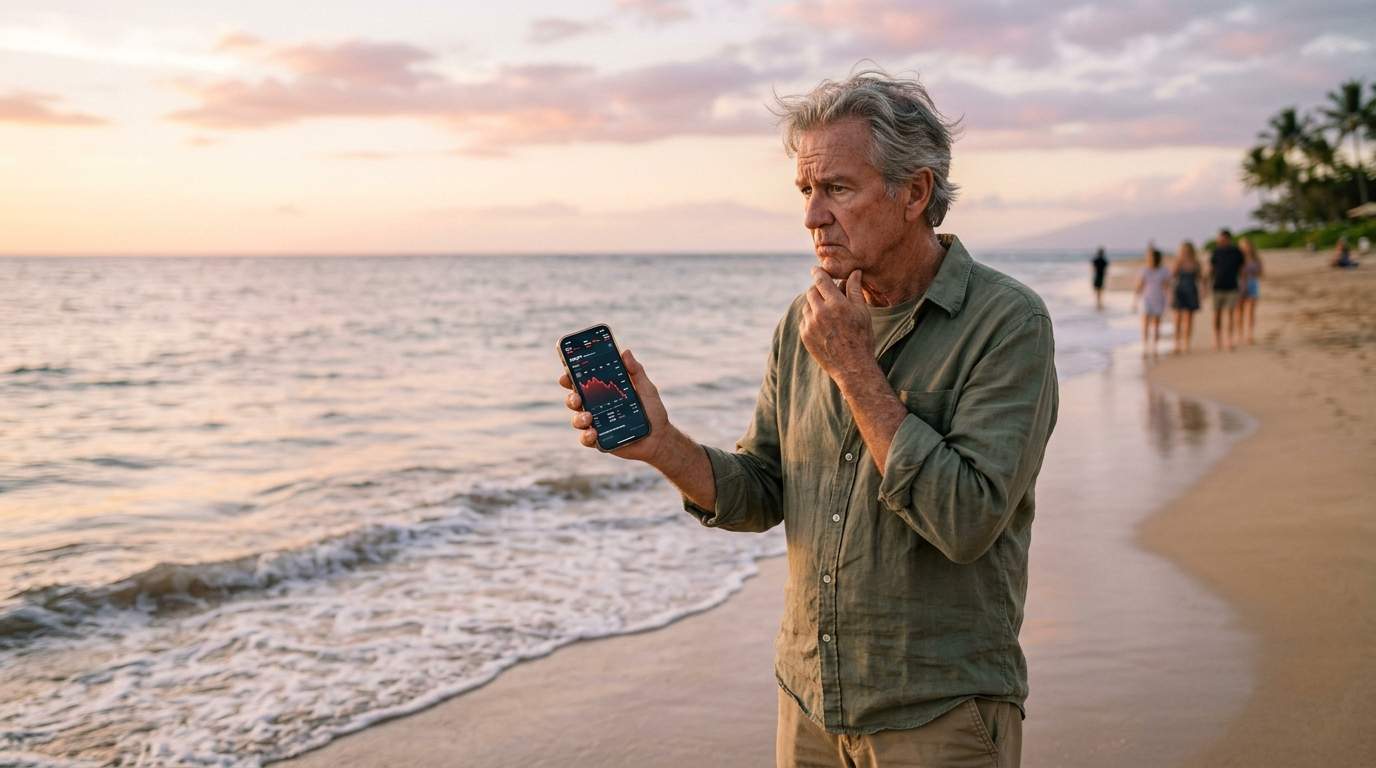
The manufacturer trade-in offer is a masterpiece of behavioral economics. It presents a frictionless, guilt-free path to an upgrade: a guaranteed value for your old device, applied instantly toward a shiny new one, with the implicit promise of responsible recycling. This convenience, however, has a precise and significant price. After tracking the resale value of a two-year-old flagship phone—an iPhone 15 Pro Max with 256GB storage and 88% battery health—across multiple channels for one month, the data reveals a consistent pattern. The official trade-in quote from its manufacturer was $400. The average final sale price on the open consumer-to-consumer (C2C) marketplace, Swappa, was $685. This $285 gap is not an error or a scam; it is the direct cost of convenience, risk mitigation, and a sophisticated strategy to control the secondary market. Understanding this gap is the first step in reclaiming the true residual value of your technology.
The trade-in ecosystem operates on a principle of asymmetric information and bundled services. When Apple offers you $400 for your iPhone 15 Pro Max, they are not purchasing a used phone to resell at a slight markup. They are purchasing several things: 1) Certainty and Volume: They get a guaranteed, predictable flow of devices into their refurbishment pipeline. 2) Customer Lock-in: That $400 credit is a powerful incentive to stay within their ecosystem for your next purchase. 3) Risk Absorption: They account for the cost of thorough diagnostics, potential repairs, cleaning, re-packaging, warrantying, and remarketing the device as a certified refurbished product. 4) Market Calming: By offering a low-but-public floor price, they subtly influence the perceived value of older models, protecting the pricing of new devices. The $400 isn't the phone's market value; it's the wholesale price for a device that will cost them time and money to process.
Contrast this with the peer-to-peer marketplace, where you act as the retailer. On platforms like Swappa or eBay, the buyer is often a savvy individual seeking a specific model at a discount. They are willing to accept more risk (no official warranty, less rigorous vetting) for a lower price than new, but a higher price than trade-in. The $685 final sale price reflects the phone's true market-clearing value between informed individuals. The platform provides a structured listing process and payment protection, taking a modest fee (Swappa's is flat-rate). The "work" and risk shift from the corporation to you, the seller. This is the core trade-off: your labor and assumed risk in exchange for a 40-70% higher return.
The path to capturing this value is not as daunting as it seems. The "flip" from a $400 trade-in to a $700 private sale is often achieved through minor, low-cost interventions that dramatically increase a buyer's confidence. First, diagnose honestly. Use the device's built-in tools (like Apple's Battery Health) and a visual inspection. A phone with 88% battery health is more valuable than one at 79%. Second, invest in presentations. A $20 battery replacement from a reputable third-party shop (if comfortable) can boost value by $50 or more. A $10 screen protector applied to a flawless screen, and a thorough cleaning with isopropyl alcohol and microfiber cloths, make the device feel cared-for. Third, document meticulously. Take high-quality photos in good light from every angle, clearly showing any imperfections. A video showing the phone booting up, connecting to Wi-Fi, and showing the battery health settings is powerful. Fourth, price strategically. Research sold listings, not just asking prices, on Swappa to find the sweet spot. A clean, well-documented device priced 5% below the average sells quickly.
Therefore, the decision matrix is clear. The official trade-in is for you if: Your primary values are supreme convenience and zero hassle. Your device has significant damage (cracked screen, water damage) that would crater its private sale value but is still accepted by the trade-in program. You are morally committed to the manufacturer's recycling chain and value that over maximizing return.
The private sale is for you if: You are willing to invest 2-3 hours of total effort (cleaning, photographing, listing, shipping) to earn an effective hourly rate of $100+ for that time. Your device is in good to excellent condition. You are comfortable with the minimal mediation of a platform like Swappa and packaging the device securely for shipment.
The "scam" is not in the offer itself, but in the perception that the trade-in value is fair market compensation. It is not. It is a wholesale bid for a complex asset, wrapped in the velvet glove of convenience. By choosing the slightly more involved path, you transition from being a supplier in a manufacturer's supply chain to being a retailer in a free market. The $285 difference is your payment for taking on that role. In an era of rising costs, that payment is worth considering. Your old phone isn't just a trade-in token; it's a latent financial asset. Unlocking its full value requires not technical skill, but simply recognizing that the easiest exit is usually the most expensive one.
Disclaimer: Mention of any brand or trademark is for identification only and does not imply partnership or endorsement