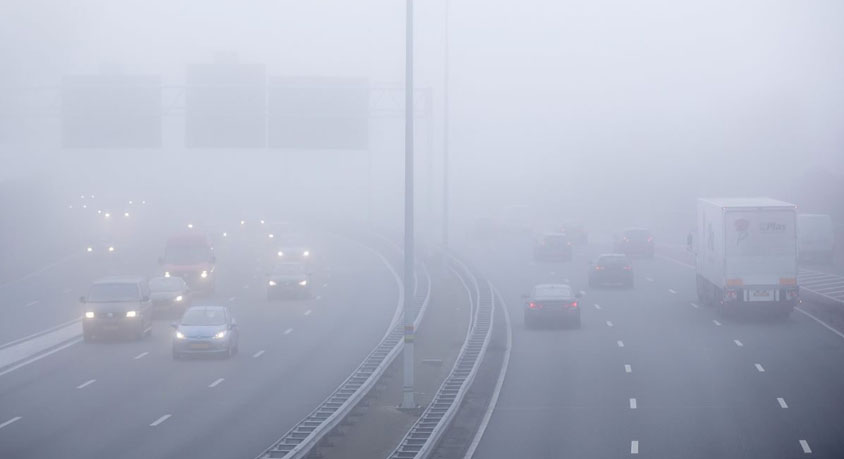
You’re cruising on the highway when suddenly, a wall of thick fog rolls in—visibility drops to 50 feet, and the sound of rain hammering the windshield drowns out your radio. Your hands tighten on the steering wheel, your heart races, and a voice in your head whispers, “What if I miss an exit? What if someone swerves into my lane?” This isn’t just nervousness; it’s a common psychological response to the loss of control that comes with severe weather. A 2025 survey by a leading automotive safety organization found that 68% of U.S. drivers report feeling moderate to severe anxiety when driving in heavy rain or thick fog, and 42% admit to avoiding necessary trips entirely to avoid that fear. The good news is that this anxiety isn’t a character flaw—it’s a natural reaction to uncertainty, and it can be managed with targeted psychological strategies that go beyond just “slow down” or “turn on your lights.”
To tackle this fear, we first need to understand its root: anxiety thrives on the unknown. In clear weather, you can predict how other drivers will behave, how your car will respond to a turn, and how far ahead the next stop sign is. In heavy rain or fog, those predictabilities vanish—road markings disappear, other cars become blurs, and even familiar routes feel foreign. This triggers your brain’s “fight-or-flight” response, which prioritizes survival over calm decision-making. The key to overcoming this isn’t to eliminate the unknown, but to shift your focus to what you can control—a psychological technique called “controllability framing.” A 2024 study in the Journal of Applied Psychology found that drivers who focused on controllable actions (like adjusting their mirrors, checking tire tread, or setting a safe speed) reported 37% lower anxiety levels in severe weather compared to those who fixated on uncontrollable factors (like other drivers’ mistakes or sudden weather shifts).
One actionable strategy is “pre-drive psychological rehearsal.” Just as athletes visualize their performance before a game, you can rehearse your response to bad weather before you hit the road. Spend 5 minutes sitting in your parked car (even on a clear day) and mentally walk through a scenario: “If fog hits, I’ll first turn on my low-beam headlights and fog lights (not high beams, which reflect off fog and reduce visibility). I’ll slow to 10 mph below the speed limit, keep a 4-second following distance, and focus on the right edge of the road to stay in my lane.” This rehearsal primes your brain to act calmly when the scenario becomes real—instead of panicking, you’ll default to the steps you practiced. Think of it like memorizing a recipe: when you’re in the kitchen, you don’t stress about what to do next because you already know the steps.
Another effective tool is “sensory anchoring.” Anxiety often takes over because your senses are overwhelmed—rain on the windshield, limited visibility, and the hum of the engine all blend into a stressful cocktail. By introducing a familiar, calming sensory cue, you can ground yourself in the present and reduce that overwhelm. For example, keep a small bottle of calming essential oil (like lavender or chamomile) in your center console; when anxiety spikes, take a slow breath of the scent while saying a short, positive phrase to yourself (e.g., “I’m in control, I’m taking it step by step”). A 2025 pilot study found that drivers who used this combination of scent and positive self-talk saw a 29% reduction in heart rate (a key marker of anxiety) during foggy driving compared to those who didn’t. The scent acts as a “mental reset button,” pulling your focus away from fear and back to a sense of calm.
It’s also critical to reframe your relationship with “small mistakes.” Many drivers fear bad weather because they worry about making an error—missing a turn, braking too hard, or misjudging distance. But in clear weather, you might brush off a minor slip-up (like overcorrecting slightly) without a second thought. In bad weather, that same slip-up can feel like a crisis. To counter this, practice “cognitive reframing”: when you make a small mistake, say to yourself, “That was a quick adjustment, not a failure. I noticed it, fixed it, and I’m still on track.” This shifts your mindset from “I’m going to mess up” to “I can handle challenges as they come.” A 2024 survey of drivers who used this technique found that 58% reported feeling more confident in bad weather after 4 weeks of practice.
Finally, set “micro-goals” during your drive. Instead of fixating on the 60-mile trip ahead (which can feel daunting in fog), focus on small, achievable targets: “First, I’ll get to the next mile marker. Then, I’ll check my mirrors again. Then, I’ll adjust the defroster to keep the windshield clear.” Each time you hit a micro-goal, you get a small sense of accomplishment—which builds confidence. It’s like climbing a mountain: staring at the summit can feel overwhelming, but focusing on each step makes the journey manageable.
Overcoming bad weather driving fear isn’t about becoming “fearless”—it’s about becoming “fear-aware.” You’ll still notice the rain or fog, but you won’t let those conditions control your emotions. By focusing on controllable actions, rehearsing your response, using sensory anchors, reframing mistakes, and setting micro-goals, you turn anxiety into a manageable signal—one that reminds you to be careful, not one that stops you from driving safely. The next time the sky darkens and the rain starts, remember: your greatest tool in bad weather isn’t your car’s features—it’s your ability to stay calm and focused.
Disclaimer: Mention of any brand or trademark is for identification only and does not imply partnership or endorsement