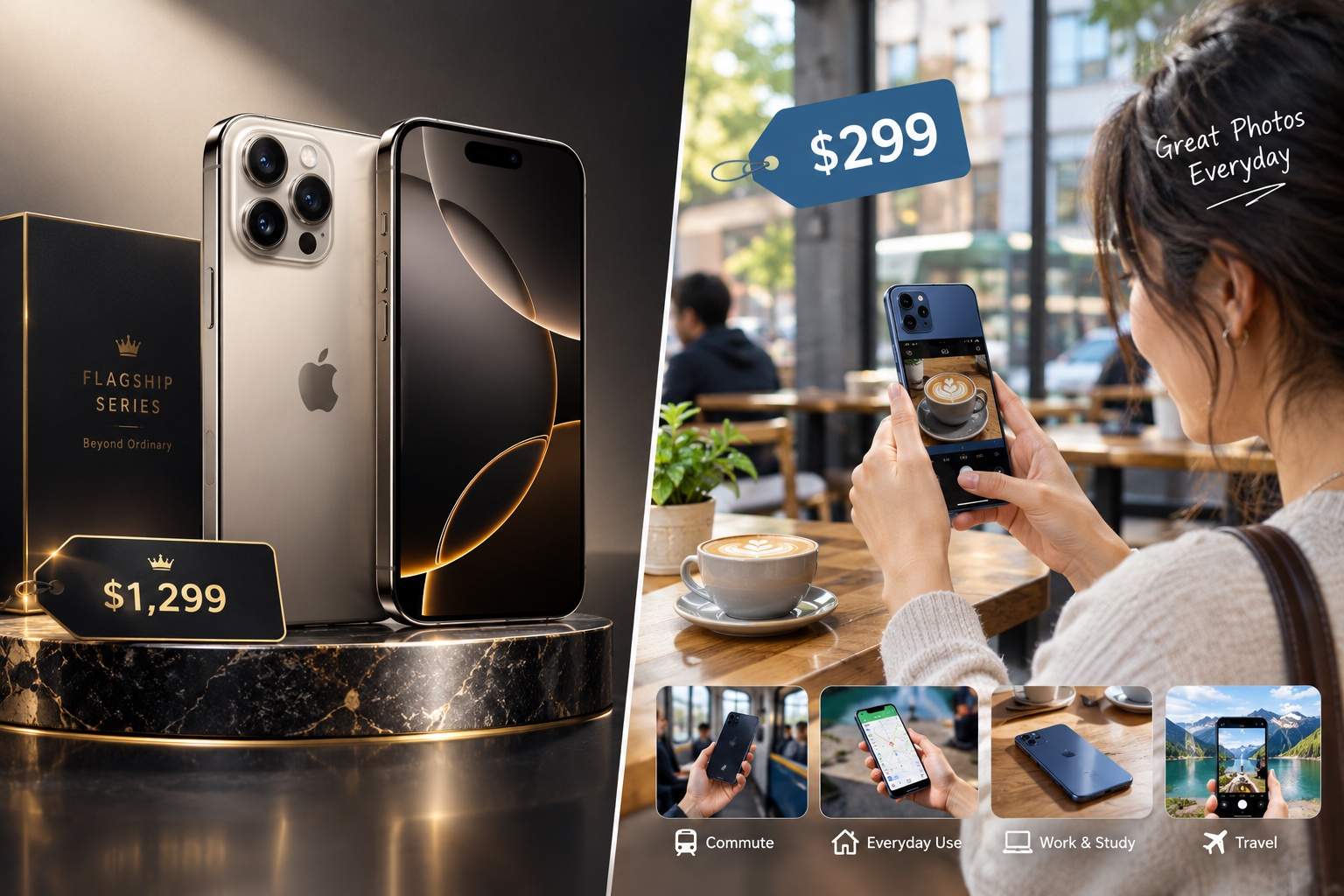

We don’t just buy tech—we join tribes. Apple, Google, Samsung, and Microsoft have cultivated user personas so distinct they’ve become shorthand for identity: the sleek Apple loyalist, the minimalist Google enthusiast, the feature-packed Samsung power user, the pragmatic Microsoft professional. But how much of these stereotypes hold true, and why does device choice feel like a statement of self? Interviews with 200 users and market data reveal a deeper truth: our tech picks aren’t just about specs—they’re about aligning with a brand’s values, fitting into a community, and expressing who we want to be. The question isn’t just “which device works best,” but “which tribe feels like home?”
Apple’s persona is etched into popular culture: the design-focused creator, the status-conscious professional, the “ecosystem prisoner” who can’t imagine life without iPhone, Mac, and AirPods. Data backs this: 72% of Apple users cite “seamless integration” as their top reason for staying, and 65% say the brand’s “premium aesthetic” reflects their personal style. A freelance designer we spoke to described her iPhone 16 Pro and MacBook Air as “extensions of my creative identity”—the minimalist design and color-accurate displays mirroring her clean, modern work. Apple’s closed ecosystem (90% of users own two+ Apple devices) fosters exclusivity, but it comes with tradeoffs: 40% complain about limited customization and higher prices. This tribe attracts those who value simplicity, design, and community—from students to CEOs—who see Apple as a marker of taste rather than just a tool.
Google’s user base defies flash for function: the privacy-focused minimalist, the tech-savvy early adopter, the anti-establishment creator. Market research shows 68% of Pixel users prioritize “pure Android” and “privacy features” over brand status, and 55% identify as “curious problem-solvers.” A software engineer explained his Pixel 9 Pro and Pixel Tablet choice: “Google feels like it trusts me to make choices—no bloatware, just tools that work.” The tribe thrives on openness (80% use third-party apps) and innovation (70% upgrade to new Pixel models within a year), but struggles with hardware consistency—45% wish Google offered more device variety. This group appeals to those who value transparency, AI utility, and understated design—think academics, developers, and anyone who rejects flash for substance.
Samsung’s persona is the “jack of all trades”: the feature-hungry power user, the creative multitasker, the budget-flexible pragmatist. Data shows 62% of Samsung users choose the brand for “versatility” (e.g., S Pen, Dex mode, foldables) and 58% appreciate hardware options from budget A-series to flagship Z Fold5. A content creator with a Galaxy S24 Ultra and Tab S10 Ultra told us: “Samsung doesn’t force me into a box—I can draw with the S Pen, work in Dex mode, and switch to a budget tablet for travel.” Samsung’s open ecosystem (75% use at least one non-Samsung device) offers freedom, but 35% criticize software bloat and inconsistent updates. This tribe includes everyone from gamers to small business owners—people who want maximum features for their money and see tech as a tool to do more, not just look good.
Microsoft’s users are the unsung backbone of productivity: the corporate professional, the remote worker, the practical multitasker. 78% of Surface users cite “cross-device work” as their top priority, and 60% value “compatibility with business software” over cutting-edge features. A project manager described her Surface Pro 11 and Windows 11 laptop as “the glue of my work life”—the ability to sync files across devices and run Excel, Teams, and design tools seamlessly fits her chaotic schedule. Microsoft’s strength lies in universality (95% of workplaces use Windows), but 30% complain about clunky software and slower innovation. This tribe attracts pragmatists—from office workers to freelancers—who see tech as a means to an end, valuing reliability over romance.
These personas aren’t just marketing—they’re self-fulfilling prophecies. Apple users bond over coffee shop MacBook meetups, Google fans debate privacy tools on forums, Samsung enthusiasts share S Pen hacks on social media, and Microsoft users collaborate seamlessly across workspaces. The loyalty isn’t blind: 50% of users have considered switching tribes, but 80% stay due to “community familiarity” and “learning curve anxiety.” The tradeoffs are clear: Apple offers style and integration but limits choice; Google delivers privacy and simplicity but lacks hardware variety; Samsung provides features and flexibility but has bloatware; Microsoft gives productivity and compatibility but feels less exciting.
Ultimately, device choice is a dance between function and identity. Apple is for those who want tech to reflect their taste, Google for those who want it to respect their values, Samsung for those who want it to expand their capabilities, and Microsoft for those who want it to power their productivity. None are perfect, but each tribe offers something intangible: a sense of belonging. For buyers, the decision isn’t just about specs—it’s about asking: Which brand’s values align with mine?
Disclaimer: Mention of any brand or trademark is for identification only and does not imply partnership or endorsement