


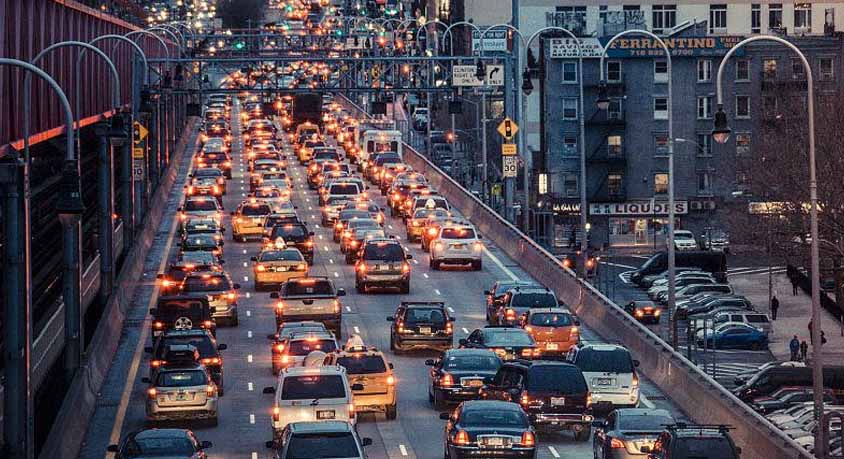
Urban driving feels like navigating a constantly shifting maze—pedestrians dart between cars, traffic lights change in the blink of an eye, and professional vehicles like taxis, buses, and delivery vans add another layer of complexity with their frequent, purpose-driven maneuvers. A 2024 study from a leading traffic safety institute found that nearly 30% of non-collision near-misses in city centers involve professional vehicles, often because regular drivers fail to anticipate their unique habits. The solution isn’t just faster reflexes; it’s adopting “ninja-like” awareness—learning to read the subtle cues that reveal what these vehicles will do next, before they do it. This kind of anticipation turns reactive driving into proactive safety, turning chaos into a predictable pattern you can navigate with confidence.
Taxis, for example, operate on a “passenger-first” rhythm that shapes every move they make, and understanding this rhythm lets you anticipate their actions. They often slow suddenly when scanning for hail, especially near hotels, restaurants, or transit stops, and their lane changes tend to be quick and unplanned when a potential ride waves. A key cue is their front tires: if a taxi’s front wheels turn slightly toward the curb, even if the turn signal isn’t on, it’s likely preparing to pull over. Taxis also have larger blind spots behind their rear doors—wider than a standard sedan—so you should avoid lingering alongside them for more than 2-3 seconds; either speed up to pass fully or slow down to stay well behind. Think of a taxi’s behavior like a chef in a busy kitchen: they’re focused on their “task” (picking up riders) and may not notice the “diners” (other drivers) around them as closely.
Buses, by contrast, follow a more rigid pattern tied to their routes, but their size and fixed stops create distinct risks. Buses need extra space to pull into and out of stops—they often drift 1-2 feet toward the curb before stopping, even if the stop is still 50 yards ahead. A critical cue here is the bus’s side mirrors: if the driver adjusts the left mirror downward, they’re likely checking the curb for pedestrians or obstacles before pulling in. Buses also have massive blind spots: a 2023 transportation study found that a standard city bus has a “no-zone” extending 30 feet behind it and 10 feet to the right—large enough to hide a small car entirely. To avoid this, never follow a bus closer than 4 car lengths, and never attempt to pass a bus on the right when it’s within 100 yards of a stop. Buses are like moving train cars: they have a set path, and deviating from it takes time—your job is to stay out of the “tracks” they need to use.
Delivery vans introduce a different challenge: their drivers prioritize quick stops to drop off packages, often in unexpected spots. Unlike buses, they don’t have fixed stops, so you need to watch for smaller cues: a driver glancing repeatedly at the sidewalk, a van slowing even when traffic is clear, or the brake lights flickering as they prepare to pull over. Delivery vans also have blind spots directly behind their rear doors (where packages are loaded) and to the left of the driver’s side—made worse by stacked packages blocking visibility. A useful rule: if you can’t see the delivery driver’s face in their side mirror, they can’t see you. Avoid stopping directly behind a delivery van, even in traffic; leave enough space to pull around if they suddenly open their rear doors. Think of delivery vans as “mobile mailboxes”: their focus is on the sidewalk, not the road behind them, so you need to compensate for their divided attention.
The core of these “ninja skills” isn’t memorizing rules—it’s shifting your mindset to think like the professional drivers you’re sharing the road with. Taxis chase rides, buses follow routes, and delivery vans hunt for drop-off spots; when you understand their goals, their moves become predictable. Start small: spend a week noticing how taxis behave near busy areas, or how buses signal before stops. Over time, these observations will become second nature, turning stressful urban drives into calm, controlled experiences. Urban driving doesn’t have to be a battle—with the right anticipation, it becomes a dance where you stay one step ahead of the chaos.
Disclaimer: Mention of any brand or trademark is for identification only and does not imply partnership or endorsement