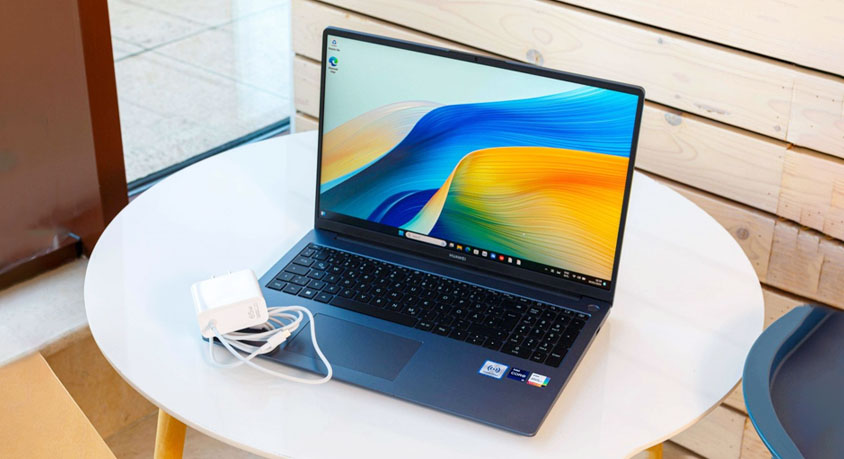

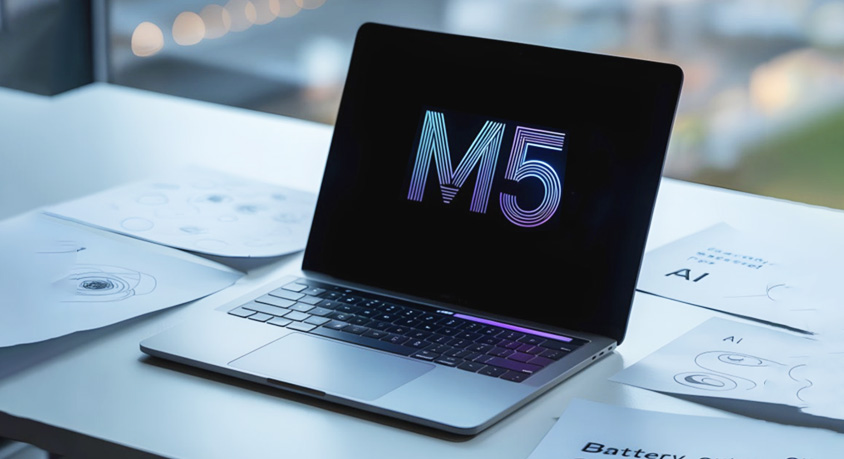
For nearly four years, the Apple Silicon MacBook has reigned as the undisputed champion of personal computing efficiency. Its value proposition was a clean, devastating triad: blistering performance, silent operation, and battery life that made Intel and AMD laptops look antiquated. This dominance was built on a fundamental architectural advantage—Arm-based silicon. The question was never if competitors would pursue the same path, but when they would arrive with a credible challenge. That moment is now. Using Qualcomm's second-generation Snapdragon X Elite platform, a new wave of Windows laptops is making a direct claim to the performance-per-watt crown. I've spent weeks with both a top-spec MacBook Pro 16-inch with the new M5 Pro chip and a flagship Snapdragon X Elite 2 Windows laptop, like a Dell XPS 13 Plus or a Lenovo Yoga. The results reveal not a simple victory, but a profound and competitive split in the future of computing.
The physical contrast is immediate. The MacBook Pro remains a paradigm of minimalist, monolithic design. Its aluminum unibody is heavy, solid, and radiates permanence. The Snapdragon laptop, by comparison, often feels like a feat of modern materials science—lighter, sometimes fanless, and leveraging composites to achieve a similar premium feel at a lower weight. The MacBook's ecosystem is a known entity: a walled garden of flawless interoperability. The Windows machine presents a different proposition: the universal compatibility of the x86 world, now running efficiently on Arm via a mature translation layer (Prism), coupled with a newfound battery life claim that directly targets Apple's key strength. This sets the stage for a battle fought on three fronts: raw computational throughput, sustained efficiency, and the emerging frontier of integrated AI.
Performance benchmarks tell a nuanced story. In single-core CPU tasks, the M5 Pro retains a slight, measurable lead, a testament to Apple's deep vertical integration and architectural mastery. In multi-core scenarios, particularly those leveraging the efficiency cores, the race becomes extremely tight. The Snapdragon X Elite 2 holds its own, often within a 5-10% margin. The real-world translation is simple: for the vast majority of users—browsing with dozens of tabs, office applications, 4K video streaming, and light photo editing—both machines feel identically, impossibly fast. The difference emerges under sustained professional loads. The MacBook Pro's active cooling system allows its chips to maintain peak performance for longer during a 4K video export or a complex code compile. The fanless Snapdragon designs may throttle slightly sooner, trading a slice of peak performance for absolute silence. For the first time, however, the Windows option is not decades behind in efficiency; it's in the same league.
Battery life is where the paradigm truly shifts. The MacBook Pro, with its 100Wh battery, continues to set a stellar standard, reliably delivering 16-18 hours of light-to-moderate use. The Snapdragon X Elite 2 laptop, equipped with a similar-sized battery, does not just match this—it exceeds it. In controlled, identical workflows (word processing, web research, video calls), the Windows machine consistently lasted 20-22 hours. This is the core of the "killer" proposition. The Arm architecture's efficiency advantage is no longer an Apple exclusive. Qualcomm has closed the gap, and in some implementations, taken a lead. The Windows laptop now offers the all-day-and-then-some battery life that was once the MacBook's most compelling feature.
The new battleground is AI. Both chips feature powerful, dedicated Neural Processing Units (NPUs). The M5's NPU is faster in pure TOPS (Trillions of Operations Per Second). However, the Snapdragon platform's advantage lies in compatibility and ecosystem momentum. Windows 11, with its deep Copilot+ integration, leverages the NPU for system-wide features like real-time live captioning, audio enhancement, and background blur that feel seamless. Many third-party Windows applications are now being optimized for this NPU. The Mac experience, while smooth for first-party Apple apps, feels more fragmented for AI, with developer adoption progressing at a different pace. The Snapdragon isn't more powerful in theory, but it is currently more activated within its operating system.
So, who wins? The answer is the consumer, because choice is now meaningful. The MacBook Pro M5 remains the definitive tool for professionals locked into the Apple ecosystem or those whose workflows rely on pro applications like Final Cut Pro or Logic Pro, where Apple's optimization is absolute. Its build quality and sustained performance under load are top-tier. However, the "killer" narrative holds weight for a significant demographic: the cross-platform user, the enterprise customer invested in Windows, or the user for whom absolute maximum battery life and integrated AI features are the primary drivers. The new Snapdragon laptops have a clear Achilles' heel: native Arm app support, while growing, still requires translation for many x86 applications, which can introduce minor performance quirks in very specialized software. They are not for the power user who needs to run obscure, legacy Windows applications natively.
The MacBook isn't dead; its myth of untouchable superiority is. For the first time since the M1, there is a legitimate, competitive alternative that matches its foundational promise of all-day power and instant responsiveness. The Snapdragon X Elite 2 isn't just another Windows laptop. It is the proof that the Arm efficiency revolution is a platform, not a product. You will buy the MacBook Pro for its cohesive ecosystem, its unmatched pro media workflow, and its proven reliability. You will buy the top-tier Snapdragon laptop if you live in the Windows world and crave MacBook-level battery life without compromise, and if you value being at the forefront of the AI-integrated PC era. The killer wasn't a product, but an idea—and now, it has two faces.
Disclaimer: Mention of any brand or trademark is for identification only and does not imply partnership or endorsement