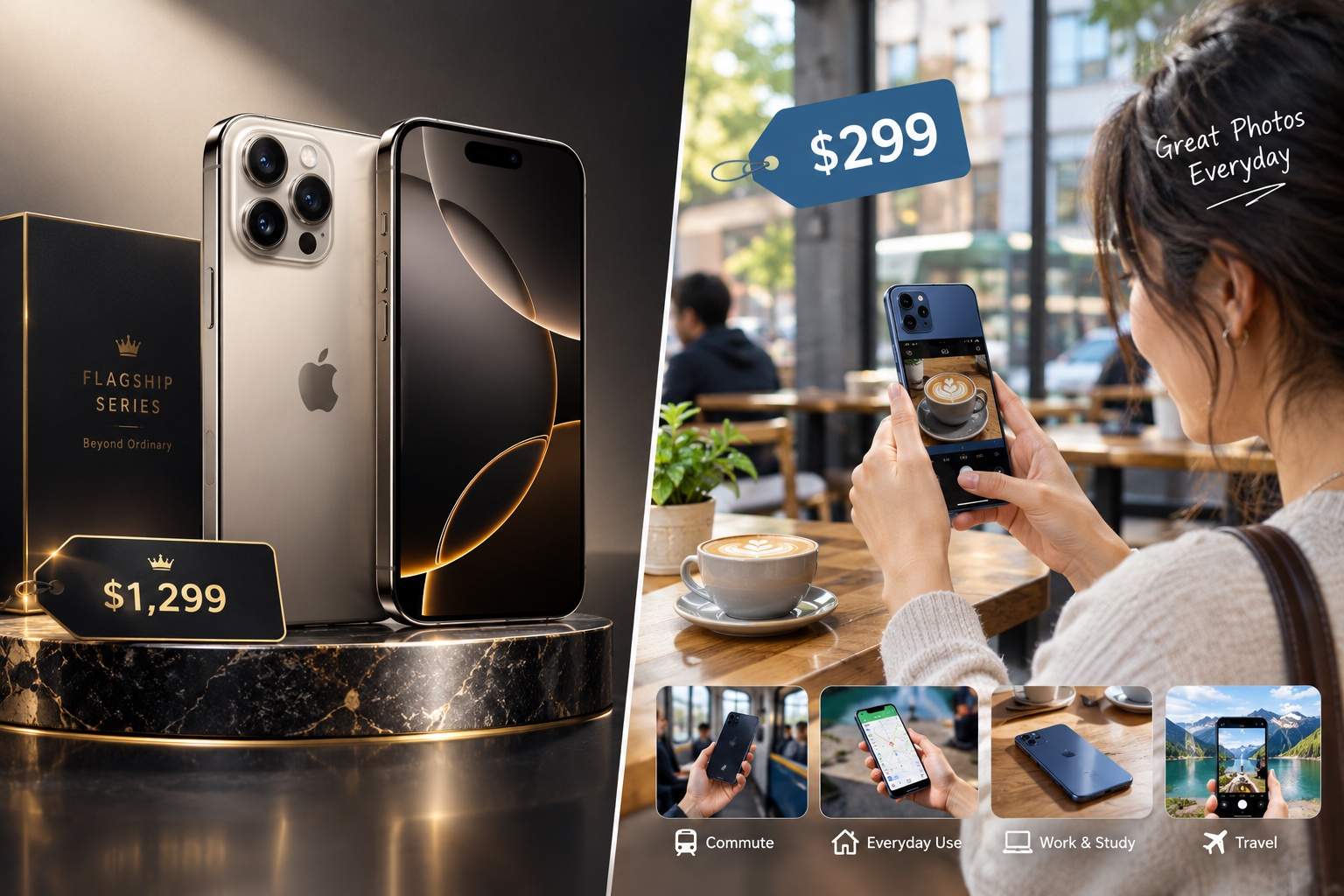
The consumer technology market operates on a powerful, self-perpetuating rhythm: the relentless launch of the new. This cycle conditions us to equate 'latest' with 'best,' and by extension, 'previous generation' with 'compromised.' But what if this rhythm is a metronome for waste? I propose a different calculus, one of depreciated excellence. Sourcing a certified refurbished iPhone 14 Pro from a reputable marketplace in 2026, a device originally launched in late 2022, and comparing it directly to a brand-new, $600 mid-range Android phone reveals a fascinating truth. For the same money, you are not choosing between old and new; you are choosing between a former champion, slightly weathered but built for the highest tier of combat, and a capable but inherently limited contemporary contender.
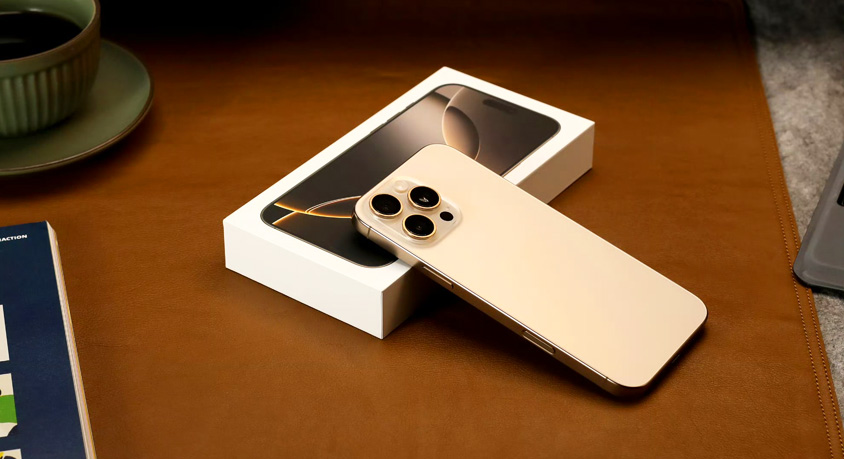
The physical thesis of a former flagship is immediately apparent. The iPhone 14 Pro’s surgical-grade stainless steel frame and textured matte glass back carry a tangible density and precision that mid-range plastics and aluminum cannot replicate. Yes, it may have a minor scuff on the corner—a badge of its previous life. But the fundamental architecture, the quality of the buttons, the resistance of the Ceramic Shield front, speaks of a build cost that was once double its current asking price. It feels substantial and premium in a way that is engineered out of mid-range devices to hit a cost target. This is the first layer of value: you are acquiring materials and manufacturing quality from a higher price bracket, now available at a steep discount.
Performance is where the 'big brain' argument crystallizes. The iPhone 14 Pro is powered by the A16 Bionic chip. Compare this to the silicon in a current $600 mid-ranger, say a device using a Snapdragon 7s Gen 3 or a Dimensity 7200. In raw CPU and GPU benchmarks, the two-year-old A16 still holds a commanding, often 30-40% lead. The translation to daily use is not about a spec sheet victory, but about sustained fluidity and overhead. Both phones will open social media apps quickly. But the A16 Bionic, with its faster storage controller and more powerful cores, will handle intensive tasks—like editing a 4K video clip, applying complex photo filters, or playing a graphically demanding game—with noticeably greater speed and stability. The mid-range chip is designed for efficiency at a cost; the flagship chip from two years ago was designed to be the best, period. Its performance surplus is your longevity insurance.
The camera system presents a similar story. The iPhone 14 Pro’s triple-camera array, with its large 48MP main sensor, dedicated telephoto lens, and advanced computational photography software, was benchmark-setting in its day. A new mid-range phone might boast a higher megapixel count on paper, but it will almost certainly use smaller, less light-sensitive sensors and lack a true optical zoom lens. In practice, the older flagship delivers superior dynamic range, much better low-light performance, and genuine optical versatility (ultra-wide, standard, telephoto). For capturing a child’s soccer game in the afternoon sun or taking a portrait with a blurred background, the 2022 flagship provides a consistently more professional, reliable result than the 2026 mid-ranger. You are buying proven imaging science, not speculative pixel counts.
This path is not without its calculated trade-offs. The primary compromise is battery health. A used device will have a degraded battery, perhaps at 85-90% of its original capacity. This is a known variable, and budgeting for an inexpensive battery replacement service (or using a battery case) is part of the smart buy. Software support is another; Apple typically supports iPhones for 6-7 years, so a 2022 model will have 3-4 major updates remaining, which is often still longer than the update promise for a new Android mid-ranger. You also forgo the very latest features like the newest AI-driven camera modes or the absolute brightest screen.
Therefore, the refurbished flagship is a strategically brilliant choice for a specific user: the value-driven pragmatist who prioritizes core performance, premium build, and camera quality over having the absolute latest model number. It is perfect for the user who keeps a phone for 3-4 years and wants the most robust experience for their money at the start of that cycle.
It is not for the user who craves the newest design, the absolute longest possible future software support, or who is uncomfortable with the minor uncertainties of pre-owned goods. The new mid-range phone offers peace of mind with a fresh battery and a pristine, unwrapped device.
In essence, buying a used flagship like an iPhone 14 Pro in 2026 is an exercise in arbitrage. You are capitalizing on the market's overvaluation of novelty and its rapid depreciation of objectively excellent hardware. You are not settling for less; you are acquiring more—more build quality, more proven performance, more sophisticated camera systems—for the same financial outlay. It is a conscious rejection of the hype cycle in favor of enduring engineering quality. The 'big brain' move isn't about being cheap; it's about being efficient, extracting maximum utility from the technology market's own predictable patterns of obsolescence. You are buying the performance, not the parade.
Disclaimer: Mention of any brand or trademark is for identification only and does not imply partnership or endorsement