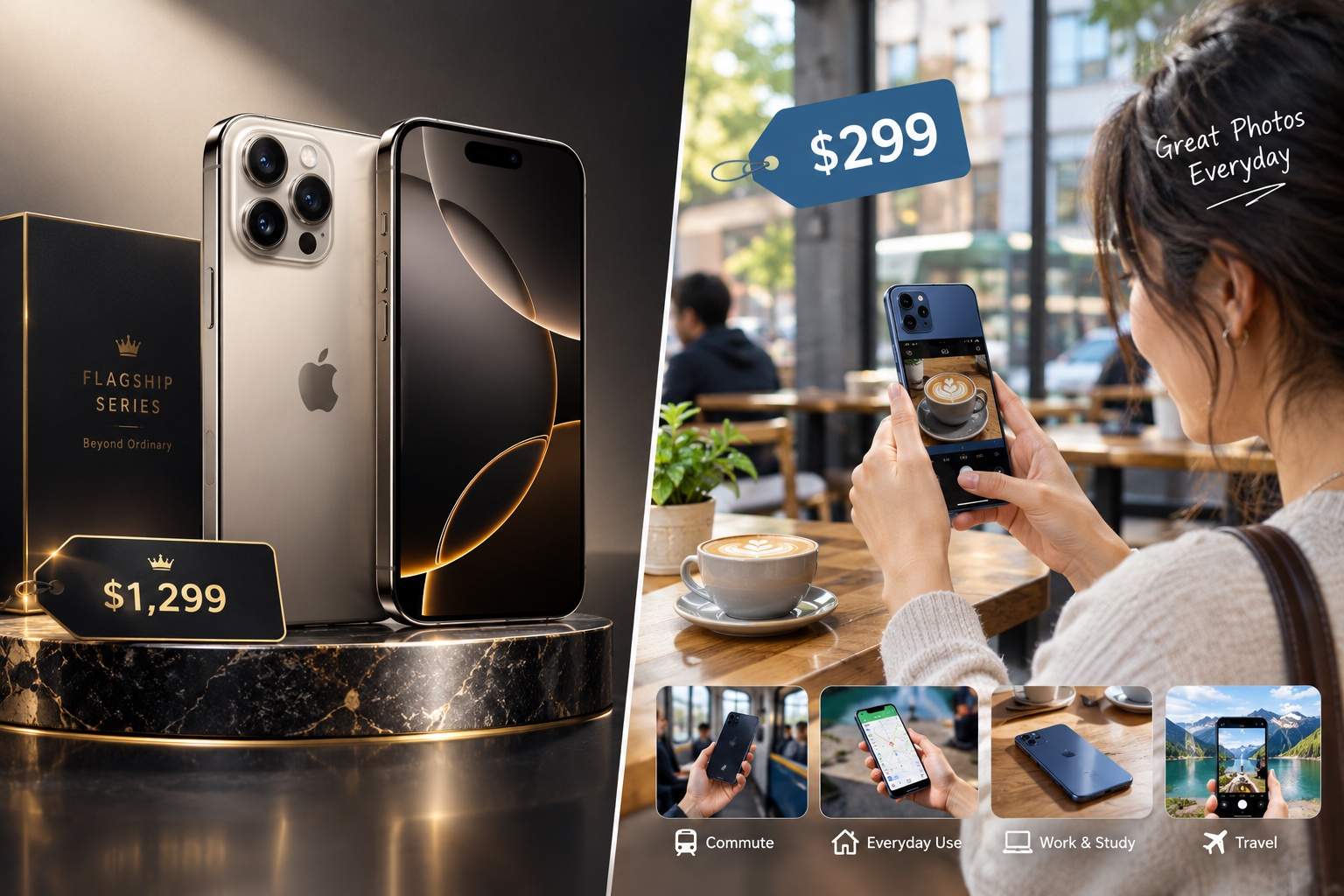

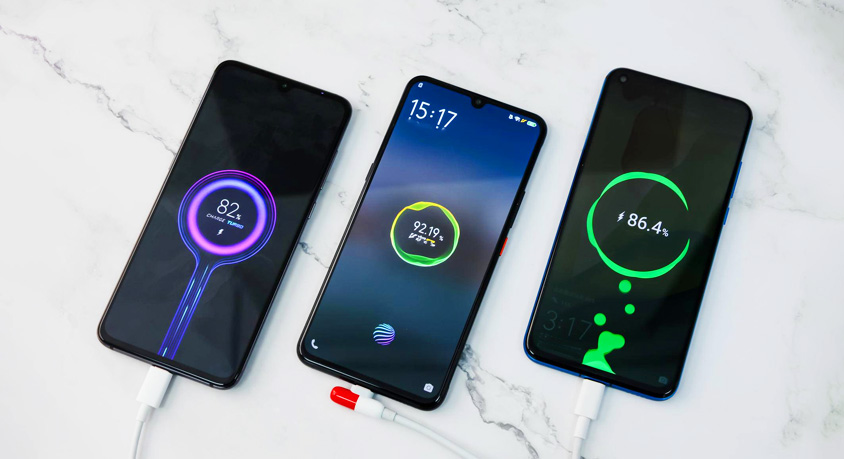
Consider the morning ritual. Your iPhone or Google Pixel, dutifully charged overnight, sits at 100%. By mid-afternoon, it dips to 20%, prompting a frantic search for an outlet. You plug it in, and thirty minutes later, you've gained perhaps 50% charge. Now, consider an alternative reality: a phone that goes from 1% to 100% in roughly the time it takes to shower and have breakfast. This isn't fiction; it's the daily experience for users of Chinese-brand phones like OnePlus, Realme, or Xiaomi, which have offered 80W, 100W, and even 150W fast charging for years. This creates a stark trans-Pacific divide. Why does the American smartphone mainstream, led by Apple and Google, still treat 20-watt charging as an upgrade, while globally, hyper-fast charging has been solved? The answer is not a technological deficiency, but a calculated compromise between engineering, regulation, and a specific definition of product longevity.
The empirical gap is undeniable. The current iPhone 17 Pro supports a maximum of approximately 35W fast charging with a compatible USB-C Power Delivery (PD) charger. The latest Google Pixel 9 caps at around 30W. Meanwhile, a OnePlus 15R or similar device readily supports 100W SuperVOOC charging. The numbers tell a story, but the lived experience narrates it. In a controlled test from 1% battery, the iPhone 17 Pro reaches about 55% in 30 minutes. The OnePlus, using its proprietary charger and cable, hits 100% in 26 minutes. This transforms the relationship with the device. Forgetting to charge overnight becomes a minor inconvenience, not a day-altering crisis. A 10-minute plug-in session during a coffee break can add 60-70% battery, effectively resetting the day.
The reasoning behind the American conservatism is a multi-variable equation. First is the regulatory and safety infrastructure. The United States has a deeply ingrained, cautious certification system (like UL listing) for power accessories. Introducing a new, ultra-high-wattage charging standard requires rigorous and lengthy certification processes for every charger and cable. Brands like OnePlus circumvent this by bundling the necessary proprietary charger in the box, a practice Apple and Google have abandoned for environmental reasons and cost savings. They rely on the universal, but slower, USB-C PD standard.
Second is the philosophy of battery longevity. Apple and Google's engineering priorities emphasize the long-term health of the battery over its two-to-three-year expected life of the device. Their argument, supported by battery chemistry, is that extreme heat is the primary enemy of a lithium-ion battery. Pushing 100 watts of power into a small battery generates significant heat, even with advanced management systems. Slower charging generates less heat, theoretically preserving the battery's maximum capacity for more charge cycles. This aligns with a model where users hold devices longer and where a degraded battery is a major source of dissatisfaction. The fast-charging brands counter with advanced battery design, dual-cell setups to split the charge current, and sophisticated cooling, arguing they've mitigated the trade-off.
Third is the ecosystem and habit inertia. The American market is dominated by two brands that have trained users to charge overnight. The wireless charging standard, particularly Apple's MagSafe at 15W, reinforces a culture of slow, steady, convenience-based charging rather than urgent, wired top-ups. The infrastructure—cars, airports, cafes—is built around slower Qi or USB-A standards. There has been no overwhelming market pressure to change because the incumbent behavior is "good enough."
So, what are you buying, or missing? If you choose an iPhone or Pixel, you are buying into a philosophy of measured, ecosystem-wide consistency, potential long-term battery health, and reliance on a universal charging standard. You accept the need for planning and the reality of slower top-ups. You are a user who values seamless accessory compatibility and likely charges overnight.
If you import or buy a global device like a OnePlus, you are buying radical convenience and a fundamental shift in utility. You gain time and freedom from the outlet. The trade-off is being tied to a specific, often bulky, proprietary charger for peak speeds, potential long-term battery degradation if constantly used at max speed (though modern devices are smart enough to throttle during overnight charges), and less accessory compatibility in the US market.
The "lie" isn't that American phones charge slowly—they do. The lie is the implication that this is due to an unsolved technical challenge. It is a deliberate choice, a balancing act between different priorities. The technology for 15-minute full charges exists and is proven. The American market has simply chosen, thus far, to value other things: universal standards, perceived safety, and a specific vision of product lifecycle over the transformative daily convenience of blistering fast charging. Your phone charges like it's 2015 not because it can't do better, but because the companies that sell it to you have decided, for now, that you don't need it to.
Disclaimer: Mention of any brand or trademark is for identification only and does not imply partnership or endorsement