
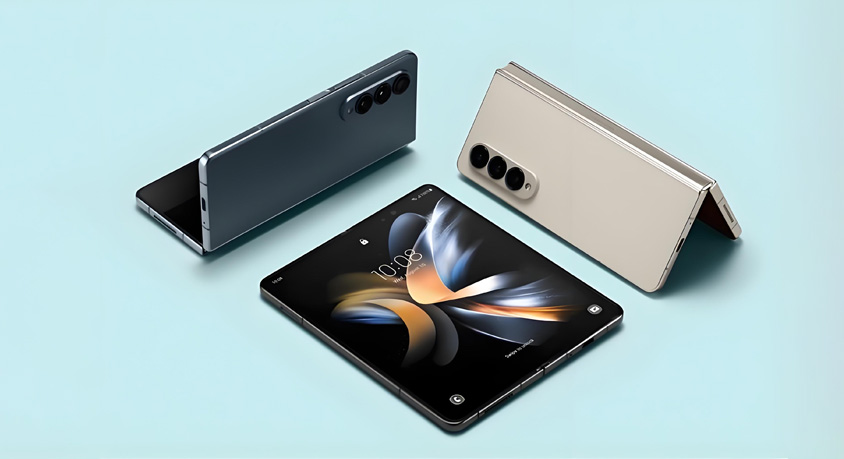
The most powerful force in consumer technology is no longer Moore's Law; it is the law of social signaling. We have witnessed the systematic transformation of the smartphone from a productivity tool into a digital Veblen good—an item whose desirability increases precisely because it is conspicuously expensive. The annual release of a $1,200+ "Pro" or "Ultra" device is less about delivering groundbreaking utility and more about refreshing a luxury token. This shift represents a profound market distortion. When the primary function of an object shifts from what it does to what it says about you, the consumer enters a game rigged for perpetual loss. Let's dissect the economics of the "flex" and why chasing technological prestige is an exercise in financial and psychological diminishing returns.
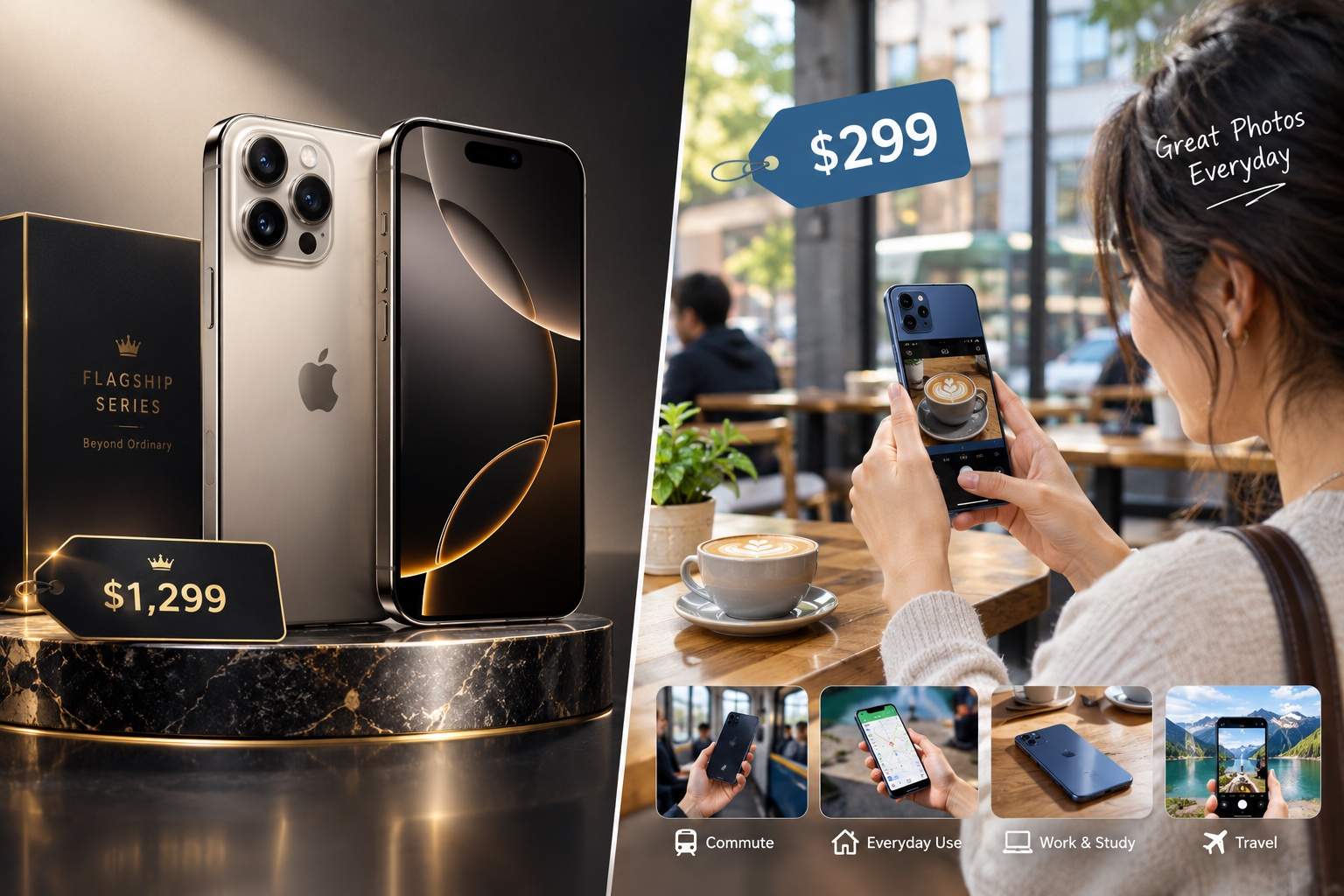
The mechanism is built on layered differentiation. Take the current flagship smartphone lineup. The technical delta between a $800 base model and its $1,200 "Pro" counterpart is quantifiable but narrow: a slightly brighter screen (2,000 nits vs. 1,600 nits), a telephoto lens with marginally better low-light performance, a processor that is 15% faster in synthetic benchmarks. These are real improvements, but they reside at the extreme edge of the experience curve. For the core tasks of 95% of users—messaging, browsing, navigation, social media, streaming—the performance is identical. The $400 premium, therefore, is not purchasing a corresponding 50% increase in usable performance. It is purchasing the materials (titanium, specialized glass), the exclusive finishes (Natural Titanium, Titanium Blue), and, most importantly, the exclusive social identifier—the distinct camera array design that signals to peers, at a glance, that you own the current top tier. The product is engineered to be seen, not just used.
This creates a powerful psychological trap known as the "hedonic treadmill." The initial thrill of unboxing the premium object and enjoying its subtle superiorities is genuine but fleeting. Within weeks, the device becomes normalized, its "specialness" absorbed into daily routine. Yet, the financial commitment remains. Worse, the cycle immediately resets. Marketing begins for the next model, seeding the fear that your now-ubiquitous status symbol is becoming obsolete. The anxiety of not having the latest—of losing that small social edge—is cultivated meticulously. This is not a bug but a feature of the business model. The goal is to make you feel that staying still is moving backward, turning functional tools into subscriptions to social relevance.
The financial logic is punishing. These devices suffer from extreme depreciation. A $1,200 phone typically loses 40-50% of its value within the first year, a depreciation curve steeper than most luxury items. You are paying peak price for an asset that plummets in resale value the moment you walk out of the store, all for a social signal that decays even faster. Contrast this with buying a $600 phone. It will perform the essential functions flawlessly, depreciate by a similar percentage (but a smaller absolute dollar amount), and free up capital for experiences or investments that actually appreciate or create lasting memories. The "flex" is a consumable, not an investment.
This is not a puritanical argument against premium products. They have a legitimate, if narrow, purpose. The "Pro" device is a rational tool for the professional who directly monetizes its edge—the videographer using ProRes LOG footage, the developer testing cutting-edge AR applications. For them, it is capital equipment. The trap is for the individual who purchases it as consumption, hoping its prestige will translate into social capital or self-worth.
Therefore, the path to winning this game is to refuse to play by its established rules. It requires a conscious audit of your own consumption motives. Ask this functional question: "What specific, daily task does the premium model enable that the standard model does not?" If the answer is vague or revolves around "feeling" better or having the best, you are likely purchasing a signal, not a tool. The rational consumer separates utility from aura.
Embrace the freedom of the "good enough." The most powerful tech flex in 2024 is not having the latest iPhone Pro; it is having a spotless digital bill of health, a robust investment portfolio, or the mental space that comes from not being financially leveraged for a gadget. It is demonstrating that your identity and confidence are not contingent on the logo on your laptop or the number of lenses on your phone. Buy technology that serves your life quietly and efficiently. The most profound statement you can make is indifference to the manufactured cycle of status. In the race to own the most expensive tool, the real victory is understanding you never needed to run.
Disclaimer: Mention of any brand or trademark is for identification only and does not imply partnership or endorsement