


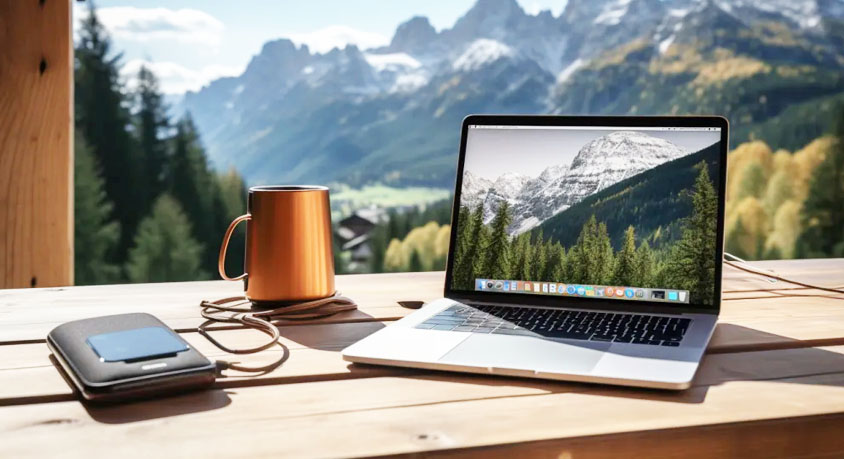
The image is seductive: you, at a sun-drenched cafe table or a tranquil park bench, productivity flowing as seamlessly as the ambient light, connected yet free. This is the promise sold alongside premium laptops and tablets boasting "outdoor-readable" displays with peak brightness ratings of 2,000 nits or higher. It is a fantasy of harmonious work-life integration. I took one of these machines—a laptop with a certified 2,200-nit mini-LED HDR display—to a California park for a genuine attempt at outdoor work. The conclusion, reached through squinting and sweating, is unambiguous: modern technology has not solved outdoor work; it has merely slightly delayed your inevitable surrender to physics. The barriers are not just visual, but thermal, ergonomic, and environmental, forming a consortium of misery that no single spec sheet can overcome.
The screen is the first, and most oversold, line of defense. Yes, a 2,200-nit display is phenomenally bright indoors. In direct sunlight, the story changes. The spec measures a tiny area of the screen at peak brightness in HDR mode, usually for a fleeting moment. In real use, the full-screen sustained brightness for an SDR workload like a text document or web browser is often half that or less. While this is a massive improvement over a standard 500-nit screen, it fights a losing battle against the sun. A clear summer sun can produce ambient illumination over 100,000 lux. Your screen, even at 1,100 nits, is a tiny candle against a floodlight. You can see it, but you are consciously deciphering content through a veil of intense ambient light washing out colors and reducing contrast. The more serious problem is glare. The glossy glass covering every premium display becomes a perfect mirror, reflecting your face, your clothes, and the entire sky behind you. An anti-glare coating mitigates this but adds a grainy texture and further reduces perceived contrast and color pop. You are left either hunting for slivers of shade or constantly angling the screen like a periscope, defeating the entire premise of relaxed, spontaneous outdoor work.
Then comes the thermal onslaught, an inevitable consequence of the laws of thermodynamics. To drive that brilliant display at maximum brightness, the backlight system consumes enormous power, generating significant heat. Simultaneously, the laptop's CPU and GPU are working in a non-air-conditioned environment, with ambient temperatures of 85°F (29°C) or higher. The device's cooling fans, designed to exhaust heat into 70°F indoor air, now blast hot air into an already hot environment. Their efficiency plummets. Within 20 minutes, the laptop's underside and keyboard become uncomfortably warm to the touch. Within 45 minutes, you can feel the heat radiating onto your hands and legs. This triggers aggressive thermal throttling; the processor slows down to prevent damage, making your machine sluggish. The "outdoor workstation" becomes a slow, hot plate. The battery, strained by the bright screen and the hot components, depletes in a fraction of its indoor lifespan. Your one-hour outdoor session requires a strategic location near an outlet, negating the freedom you sought.
The human factors are the final, inescapable layer. Even if you solve the screen and heat, you are trying to work in an environment designed for leisure, not focus. The wind threatens to blow away papers or disrupt typing. Insects are curious about your glowing rectangle. The sun moves, constantly altering your shade and glare conditions. There is no ergonomic posture on a picnic bench or cafe chair; your neck and back begin to protest. The cognitive load of managing all these variables—fighting the glare, feeling the heat, shifting position, swatting a fly—utterly fragments your concentration. The work that takes 30 minutes indoors stretches into a frustrating, 90-minute battle of attrition.
This does not mean high-brightness displays are useless. Their value is acute and specific. They are excellent for brief, necessary tasks: checking an email, confirming a reservation, or showing a photo to someone outdoors. They are invaluable for certain professionals like photographers or surveyors who need to review content on location for a few minutes at a time. They are a superb feature for intermittent use in dappled shade or under a robust sun umbrella.
However, they are categorically not a solution for sustained, focused outdoor work sessions. If your dream is to regularly write, code, or analyze spreadsheets al fresco, you are investing in the wrong solution. A far more effective "device" for this is a simple physical object: a high-quality, pop-up sun shade that creates a controlled micro-environment of shadow. Pair it with any reasonably bright laptop, and you will have a better experience than with the brightest laptop alone in the sun.
Stop buying into the marketing romance. Outdoor work, as a sustained and productive endeavor, is a physics problem that consumer electronics have not and likely cannot solve. The pursuit leads to compromised hardware performance, personal discomfort, and diminished work quality. The true luxury is a quiet, climate-controlled room with a stable desk and an outlet. Buy the bright screen for its HDR movie benefits indoors. For actual work, embrace the walls. They exist for a reason.
Disclaimer: Mention of any brand or trademark is for identification only and does not imply partnership or endorsement