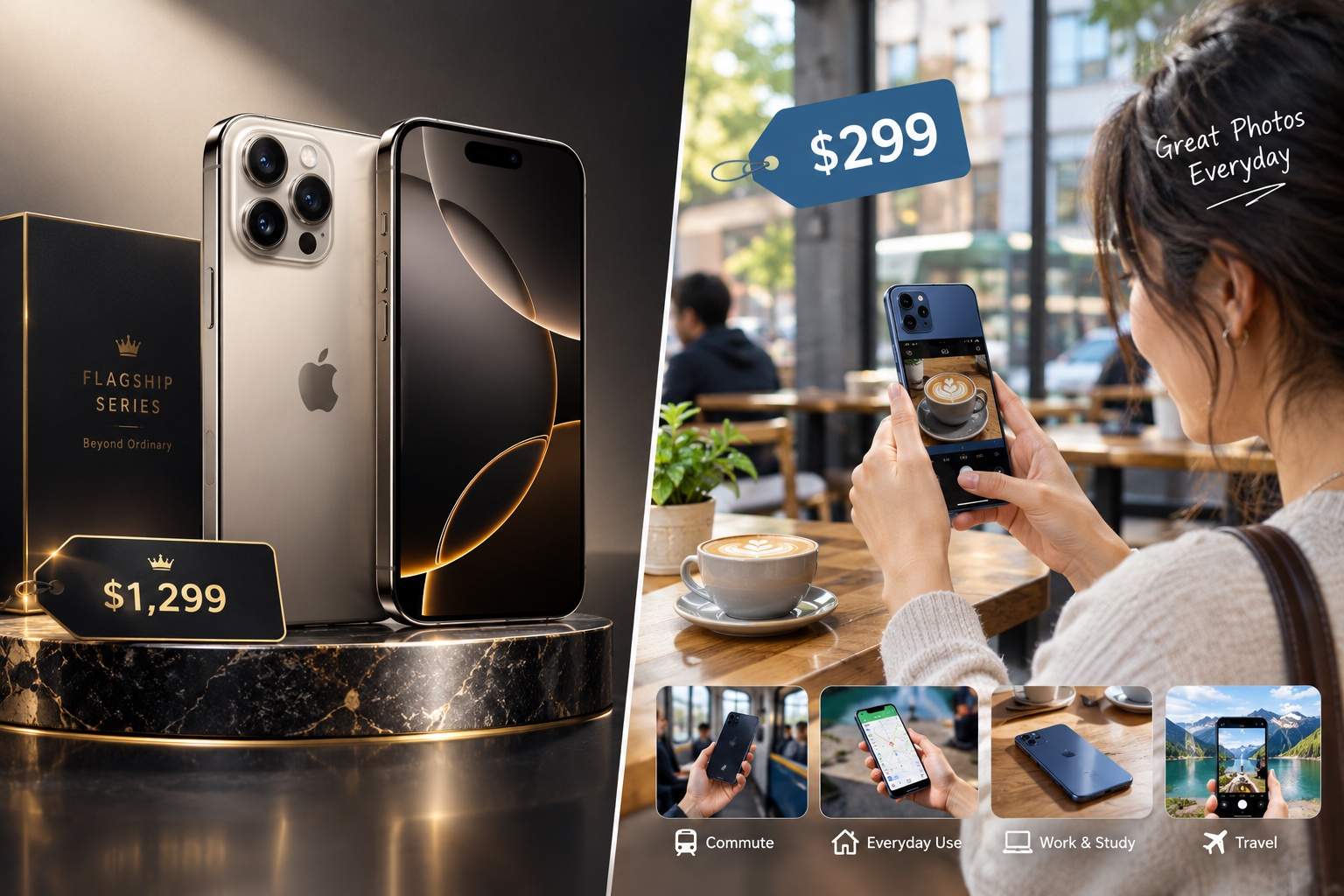


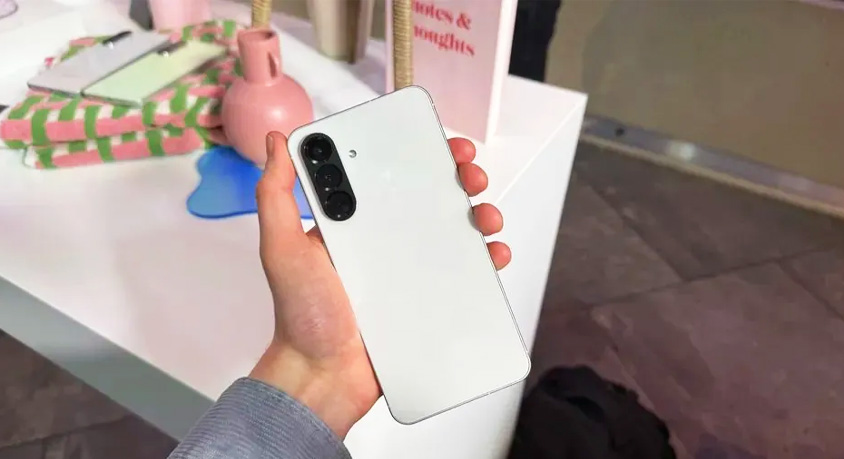
Here is a thought experiment. Walk into any coffee shop in America right now and count the phones on the tables. You will see plenty of titanium frames and triple camera bumps. Now ask those people one simple question: what does that thousand-dollar device actually do that a phone half its price cannot? The answer, if we are honest with ourselves, has become increasingly difficult to articulate. We have reached a point of diminishing returns in the flagship arms race where the marginal gains in camera performance and processor speed are invisible to the naked eye. Meanwhile, a fascinating thing has happened in the budget segment. Devices like the Nothing Phone 3a and the Samsung Galaxy A56 have stopped trying to mimic flagships and started offering something more valuable: personality.
The Nothing Phone 3a is the more interesting of the two because it asks a different question. Instead of asking how to pack more megapixels into a chassis, its designers asked how to make a piece of glass and aluminum feel alive. The answer is the Glyph Interface, a system of LED strips embedded in the transparent back that light up for notifications, countdown timers, and charging status. On paper, this is a gimmick. In practice, it changes how you interact with the device. You leave the phone face down on a table and the lights tell you who is calling without a sound. You set a timer for your parking meter and watch the glyphs count down visually. It turns a functional object into something that communicates without demanding your full attention. The 6.5-inch AMOLED display runs at 120Hz, which means scrolling feels as smooth as devices three times the price. The 50MP main camera with optical image stabilization captures shots that hold up in daylight, though low light reveals the compromises you expect at this price point. The Snapdragon 7s Gen 3 chip is not going to win any benchmark competitions, but for Instagram, Maps, and Spotify, you will never feel like you are waiting.
The Samsung Galaxy A56 approaches the problem from a different angle. It does not try to surprise you. It tries to reassure you. The industrial design borrows the flat sides and minimalist camera layout of the S24 Ultra, which means it looks like a flagship even if it does not cost like one. The 6.6-inch Super AMOLED display hits 120Hz and gets bright enough to use in direct sunlight, a feature that matters more than processor speed for anyone who has ever tried to read their phone at an outdoor concert or a sunny park. The 50MP main sensor produces images with Samsung's characteristic oversaturated look, which some people love and others hate. The 5000mAh battery is the real story here. With moderate use, you charge every other day. With heavy use, you end the day with 30 percent left. For the traveler, the gig worker, the parent who forgets to plug in overnight, this kind of endurance is not a nice-to-have. That is the entire point.
Let us talk about the corners cut, because there are always corners cut. The Nothing Phone 3a uses a plastic frame that lacks the cold precision of aluminum. The vibration motor feels loose compared to the haptic engines in flagships. The camera struggles in anything less than good light, producing soft images when the sun goes down. The Samsung A56 ships with a charger in some markets but not others, a frustrating inconsistency. Neither device offers wireless charging, which matters if you have invested in charging pads around your home and car. The processors in both phones handle daily tasks without complaint but stutter when you push them. Open twenty browser tabs while running Google Maps and streaming music and you will see the occasional pause while the chip catches its breath.
But here is the thing. The flagships stutter too. They just hide it better.
The deeper question is what we actually ask from these devices. For the person editing 4K video on the go or playing the latest console-quality games, the thousand-dollar phone remains the right tool. That is a tiny fraction of the market. For everyone else, for the person who takes photos of their kids and their dinner, who streams music on the commute, who needs directions to the restaurant and a way to pay when they arrive, the budget segment has quietly become the intelligent choice. The Nothing Phone 3a costs around three hundred dollars. The Samsung A56 sits just under four hundred. Both offer ninety percent of the flagship experience for forty percent of the price.
The Nothing Phone targets the person who is bored with the black slabs that dominate the market. It is for the creative, the young professional, the person who wants their technology to spark conversation rather than blend into the background. The Glyph Interface is genuinely useful in ways you discover over time. The camera bump is minimal. The transparent back shows off the internals in a way that invites curiosity. It is a phone designed to be looked at.
The Samsung A56 targets the person who wants reliability above all else. It is for the parent who needs the phone to work every time, the traveler who needs battery life they can count on, the pragmatist who recognizes that a phone is a tool and wants the tool to get out of the way. The One UI software is polished and familiar. The ecosystem integration with Galaxy Buds and Galaxy Watches works seamlessly. It is a phone designed to be used, not admired.
So no, do not spend a thousand dollars. Spend three hundred. Spend four hundred. Put the rest in savings or take a weekend trip or buy yourself dinner for a month. The flagships are beautiful machines, but they are beautiful machines built for problems most of us do not have. The Nothing Phone 3a and the Samsung Galaxy A56 are built for the problems we actually face: battery anxiety, notification overload, the quiet desire to own something that does not look exactly like everyone else's.
Disclaimer: Mention of any brand or trademark is for identification only and does not imply partnership or endorsement