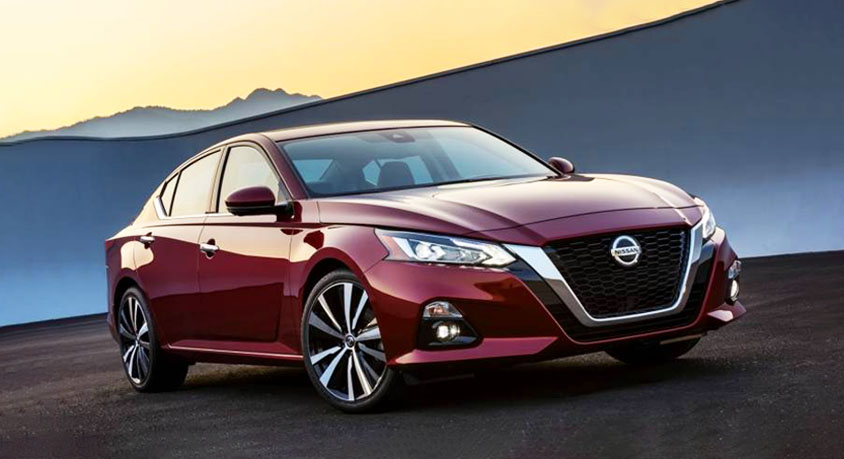
The meme has done more damage than any mechanical failure ever could. "Big Altima Energy" dominates TikTok and Reddit—the stereotype of a dented, paper-tagged sedan weaving through traffic with a check engine light that's been on since the Obama administration. It's funny until you realize that the same car, properly maintained, might be the most rational used vehicle you can buy in 2026. The Nissan Altima sold in massive numbers for a reason: the Zero Gravity seats genuinely save your back on long commutes, the cabin is spacious enough for five adults, and the all-wheel drive version handles northern winters better than most crossovers.
The continuously variable transmission in 2013 through 2016 models earned the car its internet infamy. These units suffered from belt slippage, valve body failures, and overheating that typically required complete replacement between 60,000 and 80,000 miles. Nissan extended warranties on these years, but many cars never received the updated fluid and software. If you're shopping used, eliminate 2013 to 2016 from consideration entirely. The 2017 and 2018 models received revised transmission programming and improved cooling, but failure rates remained above industry averages. The turning point came with the 2019 redesign. The new CVT—designated the CVT8—features a revised belt design, additional cooling capacity, and software that reduces the "rubber band" effect. Independent transmission shops report that 2019 and later Altimas with regular fluid changes now exceed 120,000 miles without major failures at rates comparable to Honda and Toyota.
The hidden part that separates a good Altima from a ticking time bomb is the transmission fluid itself. On any 2019 or later model, the fluid should be bright green or clear. Dark brown or black fluid means the car has never seen a service, and the internal wear has already begun. Nissan's official service interval is 60,000 miles, but every independent specialist will tell you 30,000 to 40,000 miles is the safer bet. A car with documented transmission fluid changes every 30,000 miles is a better investment than a lower-mileage example with original fluid. The service itself runs $250 to $350 at an independent shop—cheap insurance against a $4,500 replacement.
The all-wheel drive models represent the hidden gem in the used Altima lineup. Starting in 2019, Nissan offered AWD on the Altima for the first time in over a decade, and these cars have become the smart buy for anyone north of the Mason-Dixon line. The system, borrowed from the Rogue SUV, routes power to the rear wheels when front slip is detected, and in snow and rain, it transforms the Altima from competent commuter into genuinely confidence-inspiring transportation. The AWD models command a $2,000 to $3,000 premium over front-drive examples, but they also depreciate more slowly. In our market analysis, a 2021 AWD with 40,000 miles trades for $22,000 to $25,000, while a comparable front-drive model brings $18,000 to $21,000.
The Zero Gravity seats deserve the praise they receive. Originally developed from NASA research into neutral body posture, these seats distribute weight across the hips and spine in a way that genuinely reduces fatigue. In a three-hour highway drive, the difference between an Altima and a Toyota Camry becomes obvious: your lower back doesn't ache, your shoulders don't tighten, and you arrive feeling like you could do it again. The front seats on 2019 and later models also feature improved side bolstering that holds you in place without feeling restrictive. For the commuter spending 15,000 miles annually on American highways, this feature alone justifies the purchase.
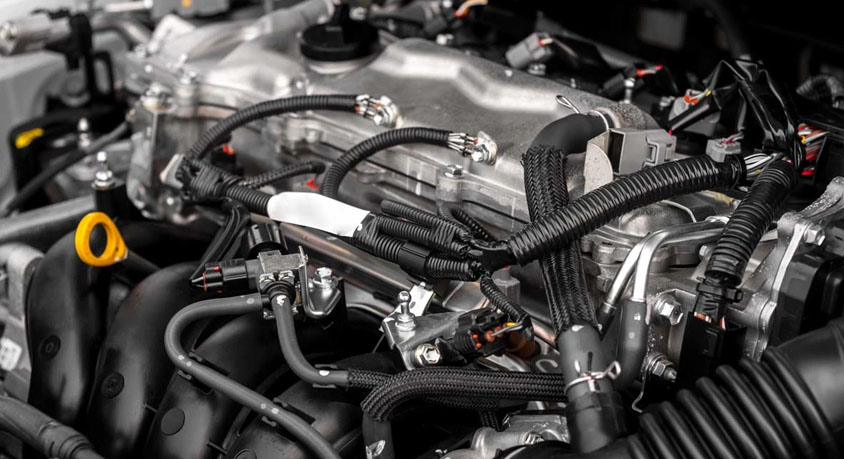
The engine options tell a story of reliability through simplicity. The base 2.5-liter four-cylinder produces 182 to 188 horsepower depending on model year and configuration, and it has proven durable across millions of miles. The engine uses port injection rather than the direct injection that plagues competitors with carbon buildup, and the timing chain, when properly maintained, typically outlasts the transmission. The 3.5-liter V6, available on SR and Platinum trims through 2023, produces 270 horsepower but consumes premium fuel and returns 24 mpg combined versus the four-cylinder's 30 mpg. The V6 cars also sell for $3,000 to $5,000 less than comparable four-cylinder models because the market undervalues them. For the buyer who wants passing power without the CVT concerns, a 2020 or 2021 V6 with low miles represents genuine value.
The daily inspection routine separates well-maintained cars from the "Big Altima Energy" stereotypes. The front suspension on 2019 and later models uses a strut design that wears faster than competitors; listen for clunking over speed bumps and look for uneven tire wear. The rear brakes wear faster than the fronts on these cars, a quirk of the electronic brake distribution. A car with recent rear pads and rotors has likely been maintained by someone who followed the service schedule. The infotainment screen on 2019 and 2020 models can develop dead pixels or delamination; check it thoroughly in direct sunlight. The wireless charging pad, added in 2021, overheats phones during summer months—a minor annoyance but not a deal-breaker.
The Carfax inspection matters more for Altimas than for most used cars because of the demographic that buys them new. Altimas are among the most commonly rented vehicles in America, and rental fleet cars receive maintenance on schedule but are driven by people who don't own them. A former rental car with 40,000 miles will have new tires and fresh fluid changes but may also have interior wear that makes it feel older than its mileage suggests. The better buy is a single-owner car with service records from a Nissan dealer. These cars typically trade for $1,000 to $2,000 more but deliver the reliability that the Altima reputation promises rather than the one the internet memes invented.
The 2026 used Altima market forces buyers to distinguish between reputation and reality. The 2013 to 2016 models deserve the avoidance they receive. The 2017 and 2018 cars offer value for the mechanically inclined buyer willing to budget for transmission service. The 2019 and later models, particularly those with AWD and documented fluid changes, deliver the comfort and reliability that made the Altima a sales leader. For the commuter who values back support over badge prestige, who needs all-weather traction without SUV fuel economy, who wants a used car that doesn't advertise its price point, the Altima makes a rational case that its internet reputation obscures.
Disclaimer: Mention of any brand or trademark is for identification only and does not imply partnership or endorsement