I was watching a news clip from a monsoon-soaked street in Bangkok last week, and I saw a guy in a sleek, German-engineered sedan try to ford a puddle that barely reached the middle of his hubcaps. Halfway through, his car gave a pathetic, metallic cough and went silent. The driver sat there looking bewildered, probably thinking his "superior engineering" had a glitch. It wasn't a glitch. He had just experienced a hydrolock, the mechanical equivalent of a human being trying to take a deep breath while submerged in a bathtub. In three seconds, he turned a sixty-thousand-dollar marvel of Bavarian machinery into a very heavy, very expensive piece of lawn furniture.
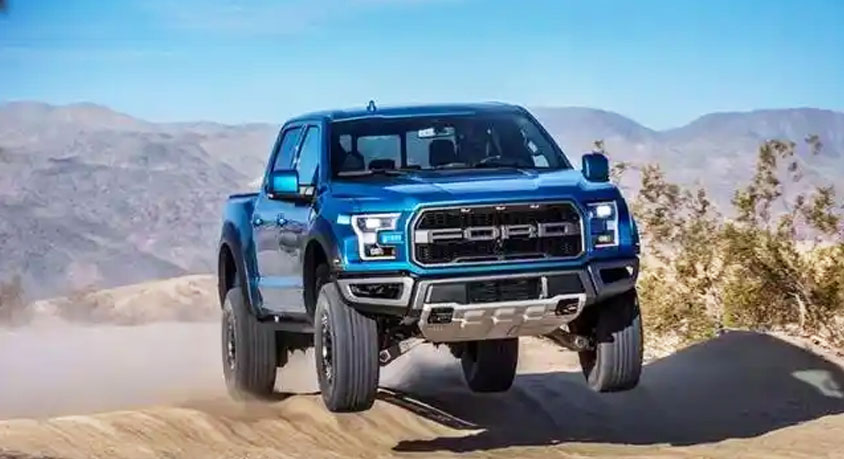
Most drivers have this delusional confidence that as long as the water doesn't reach the windows, they are essentially driving a boat. They see a lifted Ford F-150 cruise through a flooded intersection and think their Honda Civic or Toyota Camry can follow the same line. It is a fatal misunderstanding of where your engine actually "breathes." Car manufacturers, in their infinite wisdom and quest for "clean aerodynamics," often tuck air intakes low behind the bumper or inside the wheel wells to gulp in cool air. While cool air is great for horsepower, it’s a straw for the floodwater. The moment that intake submerged, the engine sucked in a mouthful of water instead of air, and physics took over with a vengeance.
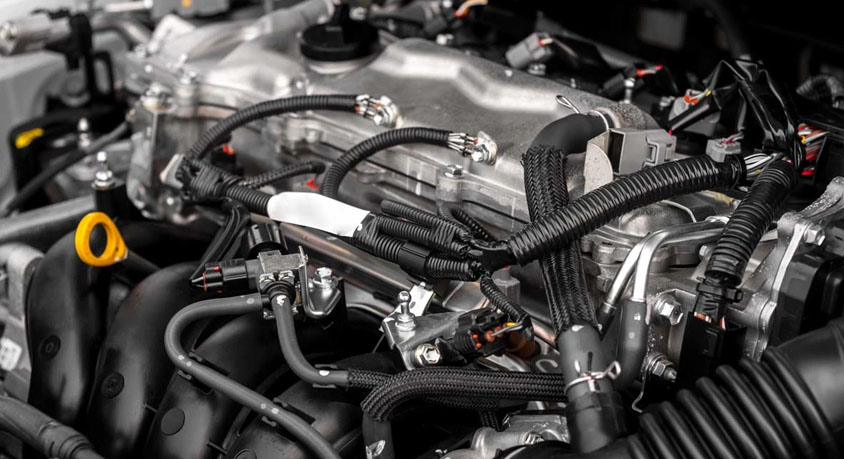
Air is compressible; water is not. When your pistons are flying up at three thousand RPM, they expect to squish a mixture of gas and air. When they hit a wall of water instead, something has to give. Since the water won't compress, your connecting rods—the steel bones of your engine—will buckle and snap like dry twigs. You’ll hear a "clack-bang" that sounds like a sledgehammer hitting a manhole cover, followed by a silence so profound it’ll make your heart sink. It’s a violent, terminal event that usually results in a piston punching a hole through the side of the engine block just to say hello.
I have a particular, seething hatred for the current trend of "urban SUVs" that have the ride height of a monster truck but the air intake of a vacuum cleaner. It’s fake ruggedness. They give you these chunky tires and aggressive plastic cladding to make you feel like you can conquer the Outback, but the actual mechanical bits are as fragile as a Victorian tea set. It’s the same corporate nonsense that gives us those flush-mounted, motorized door handles—the ones that feel like a flimsy piece of recycled Tupperware and fail the moment they see a grain of sand. They want the aesthetic of adventure without the engineering to back it up. If I’m driving my old-school Jeep, I know exactly where the snorkel is; in a modern luxury crossover, you’re just playing Russian Roulette with a rain cloud.
Imagine you’re heading home from a long day at the office, or maybe you’re rushing to pick the kids up from soccer practice before the sky opens up. You see a dip in the road filled with water. It looks shallow. But what you don't see is the "bow wave" created by the truck coming the other way. That wave pushes the water level up just six inches—exactly enough to hit your intake. Comparing a modern, high-compression turbo-four to an old, lazy V8 is like comparing a high-strung track athlete to a heavy-duty laborer. The V8 might chug through some mist, but the turbo engine, with its tight tolerances and high pressures, will commit mechanical suicide the second things get damp.
I’ve spent twenty years at Car and Driver telling people that the "specs" on a glossy brochure don't mean a damn thing in the real world. A Tesla might have "Ludicrous Mode" and a steering wheel that feels like a precision PS5 controller, but its battery seals and low-slung electronics hate standing water just as much as an internal combustion engine hates a hydrolock. At least with a gas car, you can physically see the intake. In many modern EVs, the failure is silent and invisible until your dashboard turns into a Christmas tree of error codes and your drivetrain locks up.
If you absolutely must cross water, you have to know your machine. Get out of the car, get your hands dirty, and find out where your air box draws its breath. Is it at the top of the grill? Or is it hiding down by the fog lights like a trap for the unwary? If the water is higher than the bottom of your bumper, you aren't a driver; you’re a gambler. And the house—meaning the insurance company and the dealership—always wins. They’ll call it "driver negligence," and you’ll be the one writing a check for a new long-block.
We live in an age where we expect technology to insulate us from the elements. We want silent cabins, smooth rides, and "intelligent" all-wheel drive. But no amount of software can override the fact that an engine needs air to live. Don't be the guy sitting on his roof waiting for a tow truck because you thought six inches of water was "no big deal." Respect the intake, understand the pressure, and if you see a puddle that looks even remotely ambitious, turn the hell around. Your engine isn't a submarine, and your wallet isn't bottomless. Keep the air coming and the water out, or get used to the sound of a bus pass hitting the pavement.
Disclaimer: Mention of any brand or trademark is for identification only and does not imply partnership or endorsement