Every decade, the cellular industry's marketing engine requires a new numeral. The promise of each "G" is a fundamental leap: not just faster, but a transformation in what's possible. As the first 6G-capable test devices and pilot networks flicker to life in 2026, that promotional machinery is shifting into high gear. However, after carrying a prototype 6G modem-equipped smartphone across three major U.S. cities for two weeks, a different narrative emerges. The current state of 6G is not a cohesive network, but a collection of fragile, hyper-localized scientific demonstrations. For the consumer, this nascent technology presents a paradox: it showcases staggering potential while simultaneously highlighting that our current 5G networks—and more importantly, the applications that run on them—have not yet exhausted their own potential. The upgrade pressure you will feel is real, but its justification, for years to come, will be largely fictional.
The technical aspirations of 6G are undeniably profound. The standard aims to utilize frequencies in the terahertz (THz) spectrum, theoretically enabling peak data rates of 1 Terabit per second (Tbps), latency under 1 millisecond, and revolutionary capabilities like integrated sensing and communication (ISAC), where the network itself can map environments. The test device I used, a modified flagship phone with a Qualcomm Snapdragon 8 Gen 5 modem equipped with experimental 6G bands, is a powerhouse. In a controlled lab-like setting—direct line-of-sight to a 6G small cell transmitter in a downtown corporate plaza—the speed test results were science-fictional: downloads peaked at 95 Gbps. For context, that is over 900 times faster than the current U.S. median fixed broadband speed. The problem is that this "network" existed only within a 50-meter radius of that single transmitter. Stepping around a corner, behind a tree, or into a building caused the signal to vanish completely, with the phone falling back to 5G mid-band or LTE.
This defines the "total mess" of the early 6G experience. Coverage is not just spotty; it is microscopic. The terahertz and high-band millimeter waves that enable these speeds have extremely poor propagation characteristics. They are easily blocked by walls, windows, rain, and even human bodies. Building a network with meaningful coverage would require a density of small cells that makes today's 5G millimeter-wave deployment look sparse. In practice, moving through a city with the 6G modem enabled was an exercise in frustration. The phone would aggressively hunt for a 6G signal, causing battery drain and occasional connectivity hiccups, only to briefly connect for a few seconds on a specific street corner before losing it again. The user experience was inferior to simply staying on a stable 5G NSA (Non-Standalone) or 5G Advanced connection.
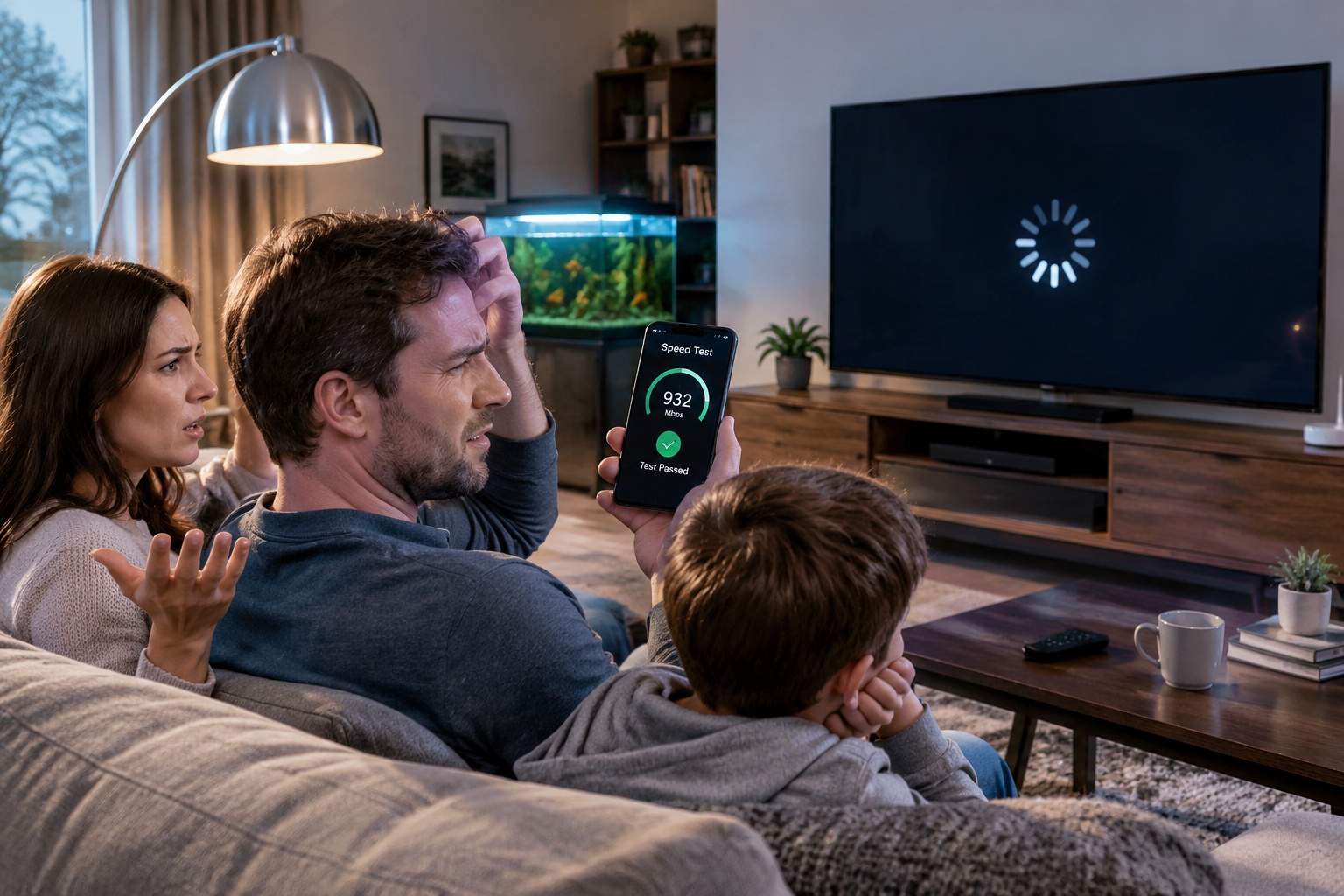
This leads to the core question: what is the driver for 6G, and who benefits? For the average user streaming video, using social media, or video calling, today's mature 5G networks (particularly the widespread mid-band C-band spectrum) are already over-provisioned. The bottleneck is rarely the radio link; it is often the server on the other end, the Wi-Fi in a coffee shop, or the device's own processor. The futuristic applications that would demand 6G's specs—seamless, high-fidelity holographic communication, pervasive autonomous vehicle networks, tactile internet for remote surgery—are still in foundational research stages. They are not software updates away; they require entirely new hardware ecosystems and consensus.
Therefore, the initial push for 6G feels less like a consumer necessity and more like an industrial and political race for spectral sovereignty and technological primacy. For network operators, it is a new product to sell. The danger for consumers is the repeat of the 5G playbook: being sold a "6G" plan that primarily uses enhanced 5G Advanced infrastructure (which is a legitimate, substantial upgrade) while using the 6G label to justify premium pricing, long before a true, usable 6G network exists.
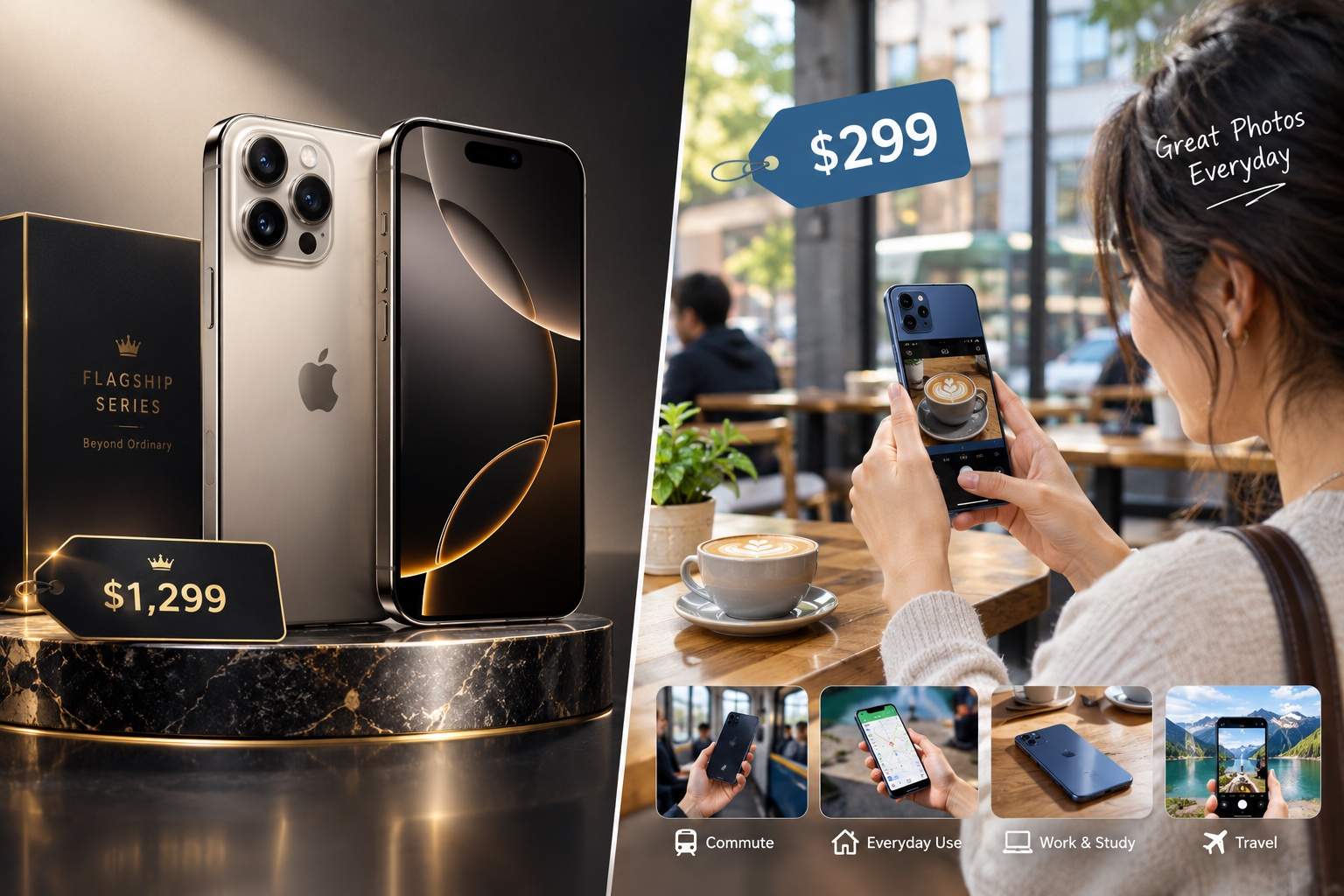
The advice is clear. Do not upgrade your phone in 2026 or 2027 for 6G. The target audience for the first generation of 6G hardware will be network engineers, researchers, and developers building the next decade's applications. For everyone else, the wise investment is in a device with excellent 5G Advanced (Release 18/19) support on carriers with robust mid-band networks. This technology, offering multi-gigabit speeds, improved efficiency, and better coverage, will be the workhorse for the latter half of the 2020s.
The arrival of 6G is a fascinating glimpse into a potential future, but it is currently a lighthouse visible only from a specific, distant point. The journey to that future—the laying of countless fiber lines, the installation of millions of new micro-cells, the invention of revolutionary applications—will take most of this decade. Upgrading now for 6G is like buying a ticket for a rocket that hasn't finished building the launchpad. The real technological leap available to you today is in the maturation and optimization of the 5G network already being built around you. The next "G" that matters for your daily life isn't 6; it's the "Advanced" at the end of the 5 you already have.
Disclaimer: Mention of any brand or trademark is for identification only and does not imply partnership or endorsement