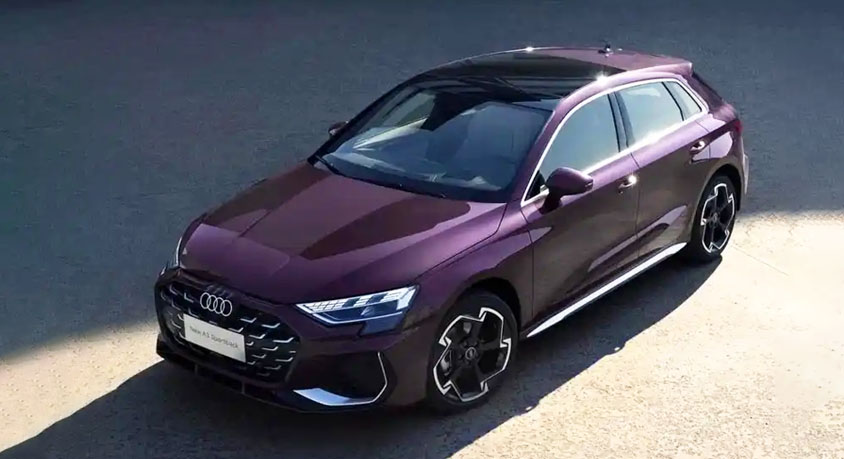
I was pulling out of my driveway last Tuesday morning when the neighbor’s brand-new German sport-sedan let out a screech so piercing it could have summoned every stray dog in the county. The poor guy looked terrified, convinced his high-performance toy was about to shed a wheel. He’s the type of owner who trusts the dealership’s "multi-point inspection" like it’s the Gospel, and I knew exactly what was coming next: some service advisor with a predatory grin would convince him he needed a three-thousand-dollar brake overhaul. It’s a classic scam that plays on the American driver’s fear of mechanical failure, but if you’ve got grease under your fingernails and a bit of common sense, you know that a noisy brake is often just the car clearing its throat, not suffering a heart attack.
Modern car manufacturers have developed a sickening obsession with making everything "silent" and "disconnected," which has turned the average driver into a hypersensitive neurotic. I’ve spent twenty years at Car and Driver watching the industry shift toward these numb, overly-boosted systems that feel like pressing your foot into a bucket of wet sand. When you compare the telepathic brake feel of an old-school Porsche or even a well-sorted Mazda MX-5 to the mushy, digitized pedal in a Tesla or a modern BMW, the loss of mechanical honesty is staggering. Because these new cars are usually as quiet as a library, every little "chirp" or "grind" from the wheel wells sounds like a catastrophe, but nine times out of ten, it’s just the laws of physics at work.
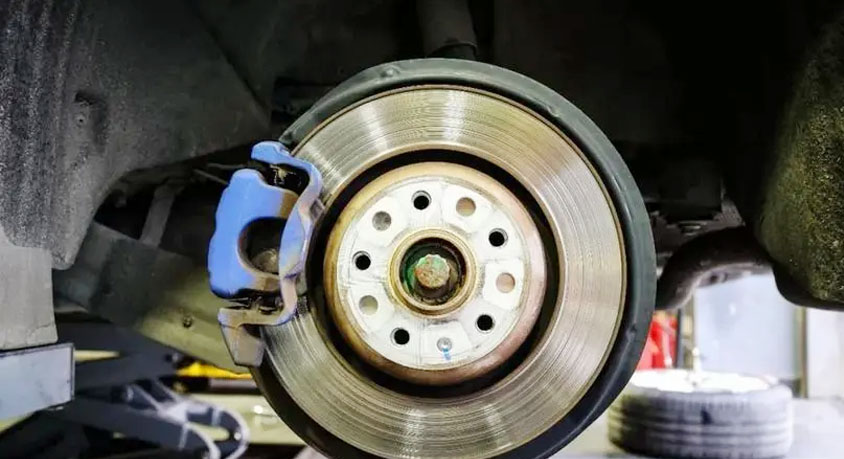
You have to learn to distinguish between "surface drama" and "structural trauma." If your car has been sitting in a damp garage in Seattle or out on a humid driveway in Bangkok overnight, the iron rotors will develop a microscopic layer of surface oxidation. We call it "flash rust." The first three times you hit the pedal in the morning, it’s going to sound like you’re grinding coffee beans under the chassis. That low-frequency, raspy "scrubbing" sound is just the pads cleaning that orange fuzz off the rotors. By the time you reach the end of your block, the sound should vanish. If you pay a mechanic five hundred bucks because of a morning rasp, you’re essentially paying a "stupidity tax" for not knowing that iron reacts with oxygen.
I have a particular, burning hatred for the modern "Electric Parking Brake" tabs that have replaced the glorious, ratcheting hand levers of the past. These little plastic switches are a triumph of convenience over soul. When they malfunction—and they will—they can keep the pads slightly dragged against the rotor, causing a persistent, rhythmic squeak that drives me absolutely insane. It’s the mechanical equivalent of a pebble in your shoe. Give me a physical cable I can adjust myself over a digitized motor that requires a software update just to release the rear wheels any day of the week.
The real "Red Alert" is the metallic scream. Most quality brake pads—whether you’re running a sensible Honda Accord or a track-prepped Mustang—feature a tiny metal tab called a wear indicator. When the friction material gets dangerously thin, this tab makes contact with the rotor and produces a high-pitched, steady "eee-eee-eee" that sounds like a banshee trapped in your wheel well. This is the car’s only way of telling you that you’re about thirty minutes away from metal-on-metal contact. If the noise stops when you actually press the brake pedal, that’s your sign that the tab is doing its job. It’s a cheap, effective piece of engineering that hasn't changed in fifty years, and it’s the only time you should actually be reaching for your wallet.
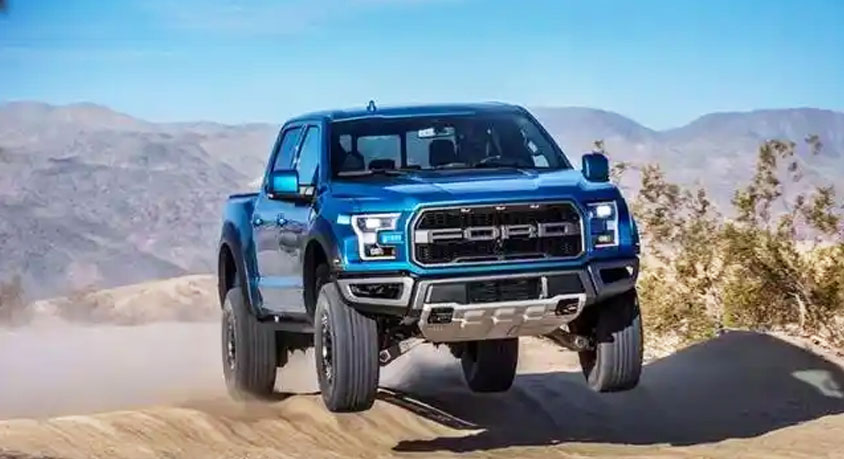
Imagine you’re taking the family on a weekend road trip or heading to Home Depot to load up on lumber. You hit a bump and suddenly hear a "clinking" sound. Most people panic and think the calipers are falling off. In reality, it’s usually just a loose anti-rattle clip or some road debris caught in the dust shield. Comparing a rugged Ford F-150’s braking hardware to the delicate, multi-piston setup on a luxury Italian SUV is like comparing a sledgehammer to a scalpel. The Ford might be noisier and less "refined," but it’s designed to be abused. The Italian car will give you that "eye-popping" deceleration that feels like hitting a brick wall, but the moment a grain of sand gets into those massive Brembo calipers, it’ll complain like a spoiled child.
Don't let a service advisor talk you into a "rotor resurfacing" just because of a little squeak. Grab a can of non-chlorinated brake cleaner and a wire brush. Often, the noise is just a buildup of brake dust and road grime that has glazed over the pad surface. Spending twenty minutes on a Saturday morning pulling the wheels and cleaning the hardware is a ritual every enthusiast should embrace. It connects you to the machine. You start to understand the heat cycles, the wear patterns, and the tactile reality of what happens when you’re shedding speed entering a sharp corner.
We live in a world where manufacturers want you to be a passive passenger in your own life, relying on sensors and warranties instead of your own senses. But for the middle-class American who takes pride in their garage, knowledge is the ultimate cost-saver. Listen to the texture of the sound. If it’s a morning rasp, ignore it. If it’s a steady, metallic shriek, fix it. But never, ever pay someone to tell you that a little bit of rain-induced rust is a mechanical emergency. Keep your ears open, your tools ready, and your money in your pocket where it belongs. After all, the best part of driving isn't the silence; it’s knowing exactly what every sound means.
Disclaimer: Mention of any brand or trademark is for identification only and does not imply partnership or endorsement