There is a special kind of fury that builds in your chest when you’re driving a sixty-thousand-dollar machine through a torrential Seattle downpour and the only thing between you and a highway pile-up is a pair of squeaky, streaking rubber sticks. You pull into a local auto parts store, drenched and annoyed, only to have a teenager behind the counter tell you that a new set of "premium" beam blades will run you eighty bucks plus tax. It is an absolute racket. The car industry has spent the last decade convincing us that windshield wipers are high-tech aeronautical components that require a full structural replacement every six months. In reality, a wiper blade is just a piece of spring steel holding a strip of rubber against glass—it’s not a SpaceX rocket booster, and you are being fleeced.
I recently spent a week in a new luxury SUV where the manufacturer had decided to hide the wiper spray nozzles inside the wiper arms themselves. They call it "intelligent vision," but I call it a proprietary nightmare designed to ensure you can never buy a cheap replacement at a gas station. It’s the same arrogance that gave us those flush-mounted, motorized door handles that freeze shut in an Ohio winter; it’s tech for the sake of tech that solves a problem nobody had. If I’m driving my old reliable Ford F-150, I can fix a wiper issue with a pocket knife and two dollars. In these new rolling computers, the manufacturers want you to treat a piece of rubber like a specialized medical implant.
The dirty secret that the big blade manufacturers don't want you to know is that 90% of the time, your wiper frame is perfectly fine. It’s just the thin edge of the rubber—the "refill"—that has succumbed to the elements. Whether you are dealing with the constant drizzle of the Pacific Northwest or the blistering, rubber-melting sun of Bangkok, the failure point is always the same: UV rays and road grime turn that supple edge into a brittle, jagged mess. When you hear that awful, rhythmic "scritch-scratch" sound across your windshield, it’s the sound of your money being wasted. It’s as grating as a fork on a porcelain plate, and it’s entirely avoidable.
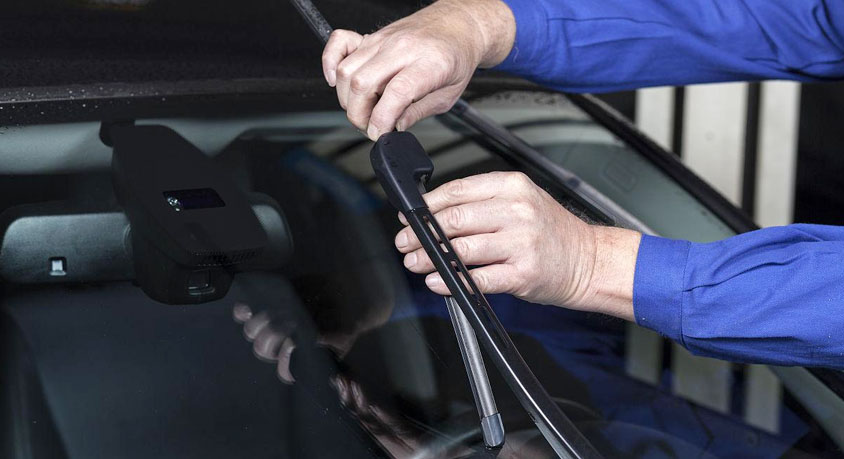
Instead of tossing the whole assembly into a landfill, you should be looking for rubber refills. For about two dollars, you can buy high-quality silicone strips that slide right into your existing frames. It takes five minutes of manual labor, but most modern American consumers have been conditioned to prefer the "click-and-swap" convenience of a forty-dollar plastic housing. It’s lazy maintenance. If you can handle a socket wrench to change your own oil, you can certainly handle a pair of needle-nose pliers to slide a new rubber element into a wiper track. The silicone refills actually last three times longer than the cheap organic rubber the factories ship out, especially when subjected to the extreme temperature swings we see in the Midwest.
There is another trick that saves even more cash, and it involves nothing more than a bottle of rubbing alcohol and a microfiber towel. Often, your wipers aren't "broken"—they’re just filthy. Road film, which is a nasty cocktail of unburnt diesel exhaust, tire dust, and wax from those "premium" car wash cycles, builds up on the edge of the blade. When you drag that gunk across the glass, it smears. If you take a cloth soaked in alcohol and run it down the length of the blade, you’ll see a thick, black streak of oxidation come off. Do that twice, and suddenly your "dead" wipers are cutting through a thunderstorm like a hot knife through butter. It’s the difference between a blurry, smeared mess and a crystal-clear view of the taillights ahead of you.
Compare this to the "automated" solutions found in something like a Tesla. Tesla loves to tell you their sensors detect rain and adjust speed accordingly, but anyone who has actually driven one in a real storm knows the auto-wiper software is about as reliable as a weather forecast from a groundhog. Sometimes they move at warp speed in a light mist; other times they sit idle while you’re staring through an aquarium. I’d take the manual intermittent stalk of an old Honda Civic over a "smart" system any day. There is a tactile joy in clicking a mechanical switch and hearing that solid, heavy relay "thunk" under the dashboard. It feels like you’re actually operating a machine, not just pleading with a computer to let you see the road.
When you’re prepping for a cross-country road trip or just trying to get the kids to school without squinting through a grey haze, the best defense is a clean windshield and treated glass. Applying a high-quality water repellent—the kind that makes rain beads fly off the glass at 40 mph—is worth ten sets of expensive blades. It’s a sensory revelation. You’re cruising down the turnpike, the engine is humming its low-frequency burble, and the water is simply vanishing from your field of vision without the wipers even being on. It makes the driving experience feel focused and calm, rather than a frantic struggle against the elements.
Stop letting the "Big Wiper" lobby pick your pocket every spring. Buy the two-dollar silicone refills, keep a bottle of alcohol in your garage cabinet, and treat your glass once a month. You’ll have better visibility than the guy in the Mercedes next to you who just spent a hundred bucks at the dealership for the exact same result. Being a car person isn't just about how fast you can go; it’s about knowing exactly how your machine works and refusing to pay a premium for someone else’s lack of common sense. Save that eighty dollars for something that actually matters—like better tires or a tank of high-octane fuel for your Sunday morning drive.
Disclaimer: Mention of any brand or trademark is for identification only and does not imply partnership or endorsement