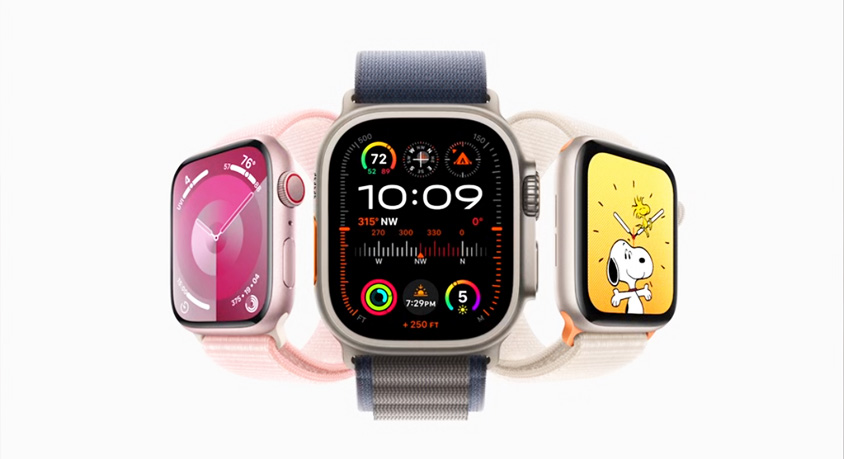
The modern smartwatch, particularly the Apple Watch Ultra or a high-end Garmin like the Epix Pro, presents itself as a guardian of your well-being. It is a masterpiece of biometric surveillance, packing an array of sensors—optical heart rate, electrical heart (ECG), blood oxygen, skin temperature, and accelerometers—into a sleek case on your wrist. Its promise is empowerment through data: know more, and you will be healthier. But after years of wearing these devices and observing their psychological effects, a more complex reality emerges. The relentless stream of metrics and nudges often crosses a subtle threshold, morphing from informative guidance into a source of chronic, low-grade anxiety. The device designed to optimize your health may, paradoxically, be compromising your peace of mind, which is a foundational component of health itself.
The hardware capability is undeniable. The Apple Watch Ultra’s sapphire crystal and titanium build can track your heart rate every second during a marathon, monitor your blood oxygen while you sleep, and alert you to potential atrial fibrillation. The Garmin Epix Pro, with its weeks-long battery life, offers exhaustive data on training load, recovery time, and stress scores derived from heart rate variability (HRV). These are not toys; they are clinical-grade monitoring tools repackaged for consumers. The data they provide can be life-saving for individuals with specific, diagnosed conditions, providing early warnings that prompt critical medical consultation. For the general population, however, this constant surveillance creates a new relationship with one’s own body—one mediated by numbers and binary judgments.
This is where the experience turns insidious. Consider the nudge economy. You sit down to focus on work, and a gentle tap reminds you to stand. Your heart rate spikes momentarily during a stressful meeting, and you later see an unexplained elevation in your resting heart rate graph for the day. You sleep poorly one night, and the app presents you with a redacted sleep score, highlighting your deficit in deep sleep. Each notification is well-intentioned, but the cumulative effect is a barrage of micro-correctives that frame your body as a problem to be constantly managed. You are no longer simply tired; you have a “poor recovery score.” You are not just nervous before a presentation; you have an “elevated heart rate alert.” The watch reframes normal physiological fluctuations as data anomalies, creating a feedback loop where you monitor the monitor.
The most potent source of anxiety is the interpretation of ambiguous data. Heart rate variability (HRV), a key metric for both Apple’s and Garmin’s stress and recovery algorithms, is notoriously fickle. It is influenced by stress, illness, alcohol, caffeine, and even your menstrual cycle. A single low HRV reading is meaningless, but the watch presents it as a “low” score, often colored in red or amber. Without medical context, users routinely misinterpret these fluctuations as signs of impending illness or poor fitness, spiraling into needless worry. The watch provides the data point but lacks the clinical wisdom to contextualize it, leaving that cognitive and emotional labor to you. You become both the patient and the unqualified diagnostician.
This is not to say these devices lack utility. Their benefit is acute and specific. For the dedicated athlete following a structured training plan, the Garmin’s load and recovery metrics are invaluable for preventing overtraining. For someone with a known heart condition, the ECG function provides tangible reassurance. The disconnect lies in marketing these powerful, specific tools as essential lifestyle accessories for everyone. The Apple Watch’s philosophy is interventionist and notification-driven. The Garmin’s is more analytical and retrospective, but its dashboard of scores can be equally oppressive if taken as gospel.
Therefore, the user must engage in a conscious triage. Who is this device truly for? It is for the data-driven athlete, the patient with a specific monitoring need, or the individual who can view metrics with detached curiosity rather than existential dread. It is not for the inherently anxious person, the hypochondriac, or anyone seeking simplicity and mental calm. The wearable’s greatest feature may be the ability to turn off all non-essential notifications, to hide certain metrics, or to simply take it off for days at a time.
Your smartwatch is not making you healthy. At best, it is providing data that you can use, with wisdom and perspective, to inform healthier choices. At worst, it is outsourcing your bodily awareness to an algorithm, turning lived experience into a stressful performance review you didn’t ask for. Health is a state of physical and mental well-being. If the tool you use to pursue the former is systematically undermining the latter, it has failed its core function. True wellness might sometimes mean silencing the guardian on your wrist and listening, undistracted, to the self within.
Disclaimer: Mention of any brand or trademark is for identification only and does not imply partnership or endorsement