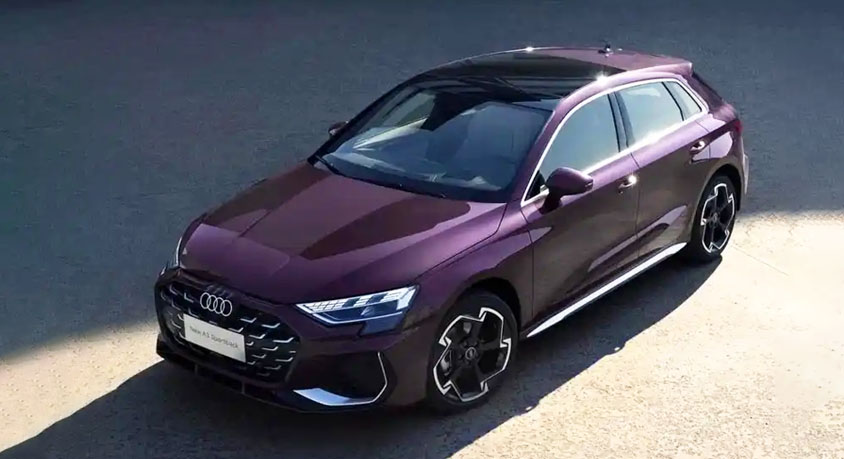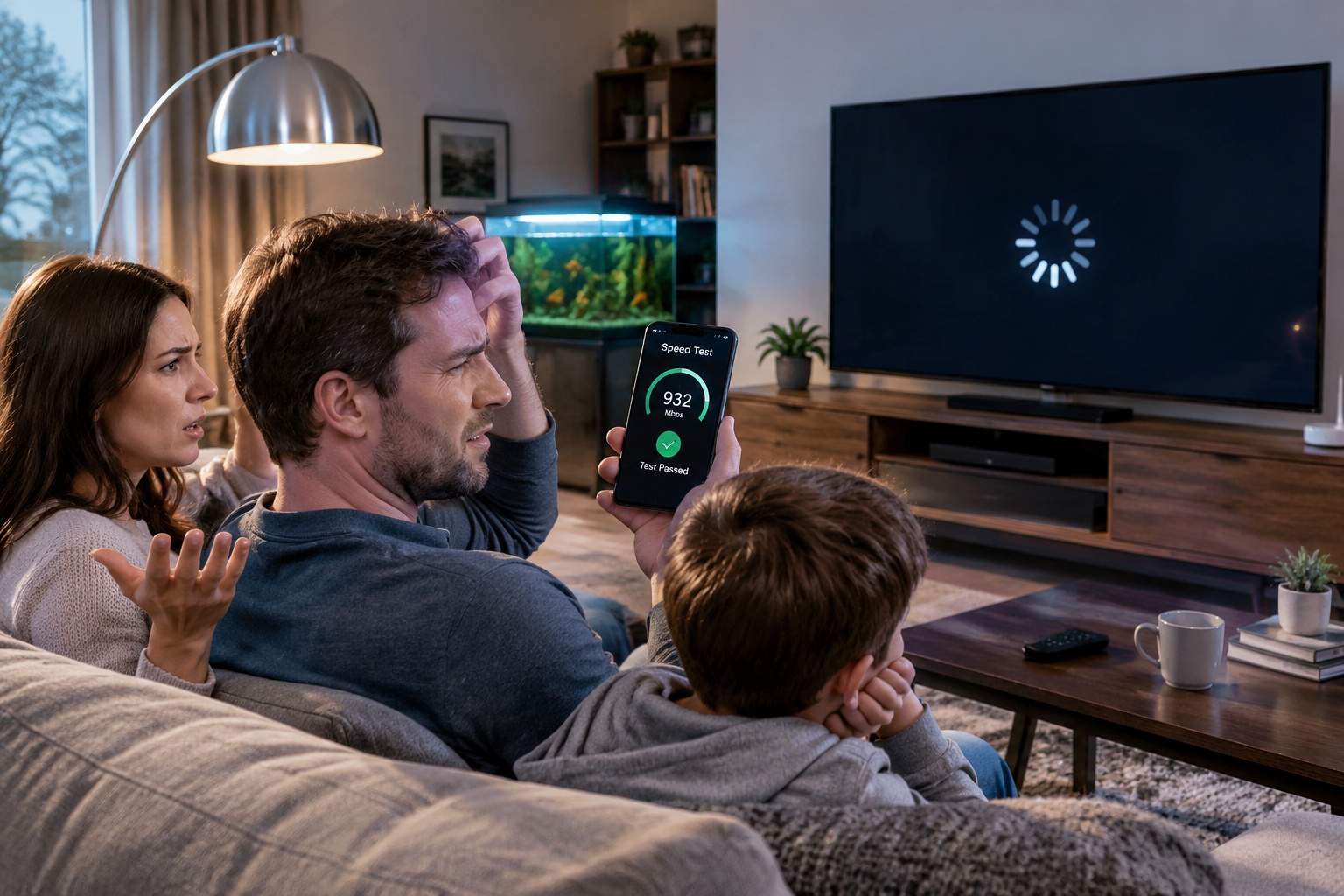


Modern car brochures read like the spec sheet for a high-end smartphone, filled with promises of digital wonder that transform the cabin into a command center. Yet, after the initial novelty fades, a quiet reality sets in for most drivers. Our observations across a fleet of recent models, from mainstream crossovers to six-figure luxury sedants, reveal a growing chasm between marketed innovation and daily utility. A significant portion of these heavily-promoted features sink into disuse, becoming digital ghosts haunting menus no one visits, not because they lack cleverness, but because they fail the fundamental test of simplifying the driving experience.
Take gesture control, a technology that promised a futuristic wave of the hand to adjust volume or answer a call. In practice, it functions with the reliability of a poorly trained mime, often activated accidentally by a passenger's conversation or failing to register a deliberate swipe. The mental effort to recall the specific karate-chop motion to lower the radio, versus simply reaching for a physical knob or steering wheel button, renders it a solution in search of a problem. It replaces a simple, tactile action with an unreliable, memorization-based ritual, adding cognitive load where it promised to reduce it.
The realm of infotainment is particularly haunted. Built-in social media apps, web browsers, and even video streaming services for parked passengers see almost no regular use. The interface is invariably clunkier than a smartphone's, the data connection may be slow or metered, and the safety lockouts for driving render them useless for the intended passenger anyway. They represent a monumental engineering effort to replicate a device—the smartphone—that is already perfectly integrated into our lives via Apple CarPlay and Android Auto. It is an expensive duplication that ignores the principle of platform dominance.
Augmented Reality navigation, which projects floating arrows onto a live video feed of the road ahead, sounds like a paradigm shift. On a sunny day, the graphics can be hard to see; at night, they can be distracting overlays on a dim image. Most drivers, after initial curiosity, revert to the cleaner, more intuitive 2D or 3D map view. The AR adds a layer of visual complexity without delivering a corresponding improvement in route comprehension, like using a holographic manual to change a lightbulb when printed text works faster. It is technology demonstrating capability, not solving a user pain point.
Even comfort features succumb to over-engineering. Multi-color, customizable ambient lighting systems with dozens of hues and pulsating patterns often get set to a single, soft white or blue and never touched again. The complexity of the menu controlling it belies the simplicity of the desired outcome: a pleasant cabin glow. Similarly, voice assistants that promise to control every cabin function often stumble on natural language, forcing the user to speak in rigid syntax, while a physical button for the seat heater works instantly and universally. When the "high-tech" method is slower and less reliable than the analog alternative, it becomes a mark of frustration, not progress.
This isn't a Luddite rant against innovation, but a plea for thoughtful application. The most beloved and frequently used technologies are those that feel invisible: seamless smartphone projection, adaptive cruise control that works smoothly in traffic, clear and responsive backup cameras. These solve real problems—connectivity, fatigue, safety—without demanding attention. The forgotten features, by contrast, often create new problems or interactions where none existed. They prioritize "wow" over "why." The lesson for the discerning buyer is to scrutinize not just the list of features, but the elegance of their execution. In the pursuit of a better car, the greatest innovation is sometimes knowing what to leave out, ensuring that the technology that remains serves the driver, not the other way around.
Disclaimer: Mention of any brand or trademark is for identification only and does not imply partnership or endorsement