You slide into the driver's seat of a three-year-old BMW 5 Series, and for a moment, everything feels right. The leather is soft, the dashboard is elegant, and the engine hums with a refined urgency. Then you remember why it's for sale: the previous owner just paid $4,000 for a cooling system repair, and the check engine light is glowing faintly, a warning of things to come. This is the reality of German luxury ownership, a reality that a growing number of buyers are choosing to avoid. Instead, they are turning to two Japanese alternatives that offer a different kind of value: the Lexus ES and the Acura TLX. Both promise the luxury experience without the financial terror, but they deliver it in fundamentally different ways. One prioritizes serene comfort; the other prioritizes dynamic engagement. The choice between them reveals what you truly value in a daily driver.
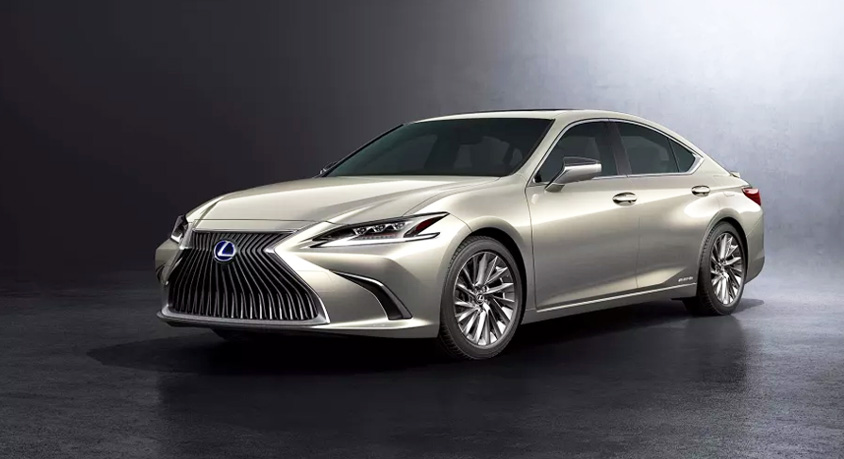
The Lexus ES is a sanctuary on wheels. From the moment you close the door, the outside world fades into a distant memory. The sound insulation is so comprehensive that highway speeds produce only a faint whisper, and the engine, whether the 3.5-liter V6 in the ES 350 or the 2.5-liter hybrid in the ES 300h, operates with a silkiness that borders on imperceptible. The seats are plush without being unsupportive, upholstered in leather that feels expensive because it is. The suspension absorbs pavement imperfections with a fluid grace that isolates you from the harshness of the road. The steering is light, almost effortless, requiring no muscular input even in parking lots. The interior is a masterclass in traditional luxury, with real wood trim, damped switchgear, and an overall ambiance of calm. The available Mark Levinson audio system transforms the cabin into a concert hall, making even the longest commute feel like a retreat.
The ES has its compromises, and they are the direct result of its focus. The handling, such as it is, prioritizes comfort above all else. Push the ES hard into a corner, and the body leans, the tires protest, and the car communicates its displeasure at being asked to perform. The infotainment system, even in its latest iteration, relies on a touchpad interface that requires more attention than a touchscreen, a frustration that never fully resolves. The rear seat, while spacious, lacks the adjustability of some competitors. The styling, while handsome, is conservative to the point of anonymity. The ES does not ask to be driven enthusiastically; it asks to be driven effortlessly. If that aligns with your priorities, it is among the best in the world at its task.
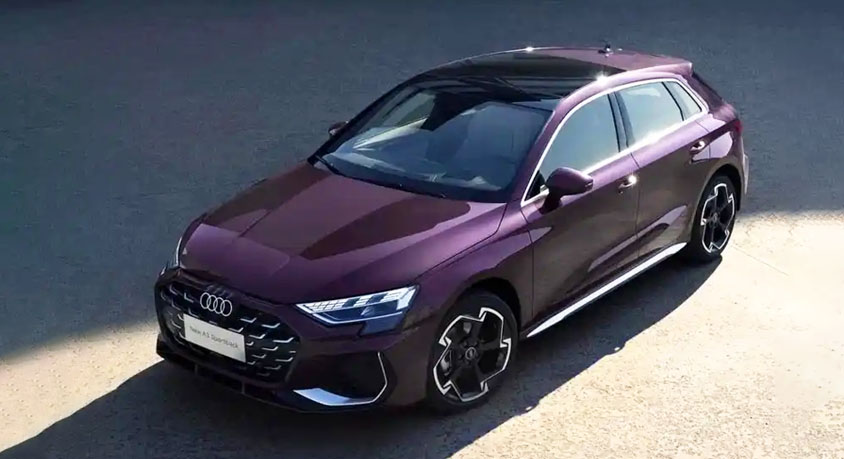
The Acura TLX approaches luxury from a fundamentally different angle. Its styling is aggressive, almost confrontational, with sharp creases, a massive pentagon grille, and proportions that suggest motion even at rest. The interior is driver-focused, with seats that hug you through corners and a flat-bottomed steering wheel that begs to be gripped. The materials are high-quality, but the design is more technical than opulent. The engine choices include a 2.0-liter turbocharged four-cylinder with 272 horsepower and, in the Type S, a 3.0-liter turbo V6 with 355 horsepower. The available Super Handling All-Wheel Drive (SH-AWD) system can send up to 70% of torque to the rear axle and vector it side-to-side, allowing the TLX to rotate through corners with a precision that the Lexus cannot approach. The suspension, with double-wishbone front architecture borrowed from sports cars, communicates the road surface with a clarity that engages rather than isolates.
The TLX's trade-offs are equally clear. The ride is firmer, transmitting road imperfections that the Lexus would absorb. The cabin is noisier at highway speeds, with more wind and tire roar. The fuel economy, particularly in the Type S, trails the hybrid ES by a significant margin. The infotainment system, controlled through a touchpad that sits on the center console, requires more attention to operate than a touchscreen, a frustration that mirrors the Lexus's interface. The rear seat is cramped for the class, a consequence of the long-hood, short-deck proportions that give the car its sporty stance. The trunk is smaller, the visibility is compromised by the rising beltline, and the overall experience is one of constant engagement, even when you'd prefer to relax.
The ownership experience of these two vehicles diverges as sharply as their characters. Lexus has built its reputation on reliability that approaches the legendary, and the ES is the exemplar of that philosophy. Routine maintenance, performed at intervals measured in months rather than miles, is all that is required to keep it running for 200,000 miles. The dealership experience is consistently excellent, with loaner cars and comfortable waiting areas. Resale value remains strong, depreciation relatively shallow. The TLX, while still reliable by industry standards, cannot match the Lexus's bulletproof reputation. The turbocharged engines, particularly in the Type S, are more complex, more stressed, and more likely to require attention as the miles accumulate. The dealership experience varies, and resale value, while decent, trails the Lexus.
On the road, the differences become visceral. In the ES, you waft. The miles pass unnoticed, the fatigue never accumulates, and you arrive at your destination feeling as fresh as when you left. It is a car designed for the commute you want to forget, for the hours of highway you want to pass without stress. In the TLX, you engage. The steering weights up in corners, the chassis communicates the road's texture, and the engine responds to throttle inputs with an urgency that rewards attention. It is a car designed for the driver who still enjoys the act of driving, who sees the commute as an opportunity rather than a chore.
The financial case for both is compelling when compared to German alternatives. A Lexus ES 350, with an MSRP around $45,000, undercuts the BMW 5 Series and Mercedes E-Class by thousands while offering comparable space and equipment. An Acura TLX, priced similarly, offers standard horsepower that rivals the Germans' optional engines. Insurance costs are lower, maintenance is cheaper, and depreciation, while not negligible, is less punishing. Over a five-year ownership period, the total cost of ownership for either Japanese sedan can be $10,000 to $15,000 less than a comparable German model. That is real money, money that can be invested, saved, or spent on something other than automotive anxiety.
If your commute is a means to an end, if you value peace and quiet above all else, if you want to arrive feeling as fresh as when you left, the Lexus ES is the rational choice. It will coddle you, protect you, and ask nothing in return. If your commute is an opportunity, if you value the feel of a well-sorted chassis and the surge of turbocharged power, if you want to arrive engaged rather than anesthetized, the Acura TLX is the emotional choice. It will reward your attention, challenge your skills, and remind you that driving can be a joy. Both will save you from the German repair bills. The question is what you want from the miles in between.
Disclaimer: Mention of any brand or trademark is for identification only and does not imply partnership or endorsement