


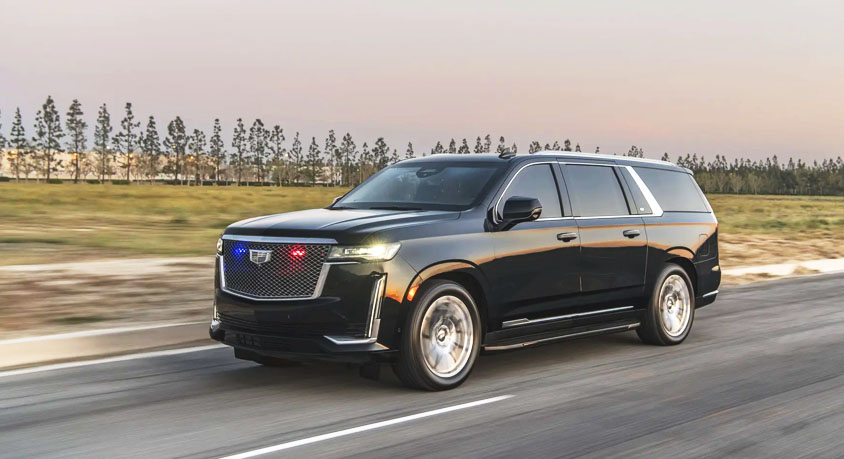
The archetypal image of a high-stakes college football recruitment might suggest a coach arriving in something low, loud, and fast—a machine that screams performance and instant gratification. Yet, pull into the driveway of a coveted five-star recruit, and the vehicle most often idling there is the antithesis of a sports car. It is a monument containing volume and quiet authority: a Cadillac Escalade, a GMC Yukon Denali, or a Lincoln Navigator. This choice is not an accident of fleet management, but a calculated piece of non-verbal communication, a mobile extension of the program's pitch built not for the driver's pleasure, but for the passenger's perception.
Open the rear passenger door, and the vehicle's primary thesis is immediately clear. This is not a space designed for luggage, but for people—specifically, for a recruit, his parents, and potentially siblings, to be received as honored guests. The second-row captain's chairs, often ventilated and massaging, offer a throne-like command of the cabin, with ample legroom and a clear view forward. The triple-pane acoustic glass and magnetic ride control create a library-quiet, serene environment where conversation is easy and the stresses of the outside world are muted. The coach is not selling a ride; he is offering a first-class preview of the care and importance with which the program intends to treat its athletes, framing the journey as comfortable, secure, and dignified.
Technology in this context serves not as a driver's toy, but as a communal demonstration of attention to detail and modernity. The ultra-high-resolution infotainment screens, the pristine audio system, the array of USB-C ports, and the sophisticated driver-assist suites are presented as evidence of an ecosystem that values clarity, connectivity, and safety. For a parent, these features subtly telegraph institutional resources and a forward-thinking environment. The vehicle becomes a tangible, functional metaphor for the program's infrastructure: advanced, well-maintained, and focused on supporting its occupants so they can focus on performance.
The sheer, undeniable space is the ultimate psychological lever. In a sprawling SUV, the conversation isn't cramped or rushed. There is physical and psychological room for everyone. A coach can speak to parents in the second row while the recruit sits up front, or the entire family can be accommodated together, fostering a sense of inclusive community. This stands in stark contrast to the intimate but exclusive cockpit of a two-door supercar, which by design separates and prioritizes. The SUV’s volume whispers "we have room for your whole story, your family, your concerns," while the sports car's confines shout "this is all about the individual driver."
Ultimately, this vehicle choice is a masterclass in aligned messaging. A flashy European coupe might speak to a young man's ego, but it risks alienating the parents whose trust and approval are often the true deciding factors. The full-size American luxury SUV speaks a language of responsible power, family values, and community. It signals stability, success, and the capacity to protect and provide—qualities a family wants in the institution that will house their son for the next four formative years. It is less a car and more of a four-wheeled conference room and hospitality suite, engineered not for lap times, but for building consensus in the driveway. In the high-stakes theater of recruitment, it proves that sometimes the most powerful statement is not how fast you can go alone, but how comfortably and impressively you can carry everyone who matters along with you.
Disclaimer: Mention of any brand or trademark is for identification only and does not imply partnership or endorsement