In the sterile, climate-controlled auction hall, the juxtaposition was jarring. On one screen, a glossy video for a 2026 luxury EV touted its “immersive digital ecosystem.” On the stage, under the hammer, sat a 2005 BMW E60 M5, its 5.0-liter V10 engine bay a chaotic sculpture of wires, pipes, and promise. The bidding, conducted via hushed phone calls and subtle nods, didn't climb—it exploded, finally settling at $92,500 for a vehicle older than some of the bidders' children. This scene, replicated across Bring a Trailer and elite auctions nationwide, reveals a powerful counter-current in 2026's automotive market. In an era defined by digital servitude and silent acceleration, a growing cohort of wealthy enthusiasts is engaging in a form of mechanical arbitrage, investing not in the future, but in a specific, irreplaceable past. They aren't buying transportation; they are purchasing a time-capsuled, tactile experience and a hedge against a homogenized, software-defined driving world. The E46 M3 and E60 M5 have transcended used car status to become Veblen goods—their astronomical value fueled precisely by their impracticality and emotional scarcity.
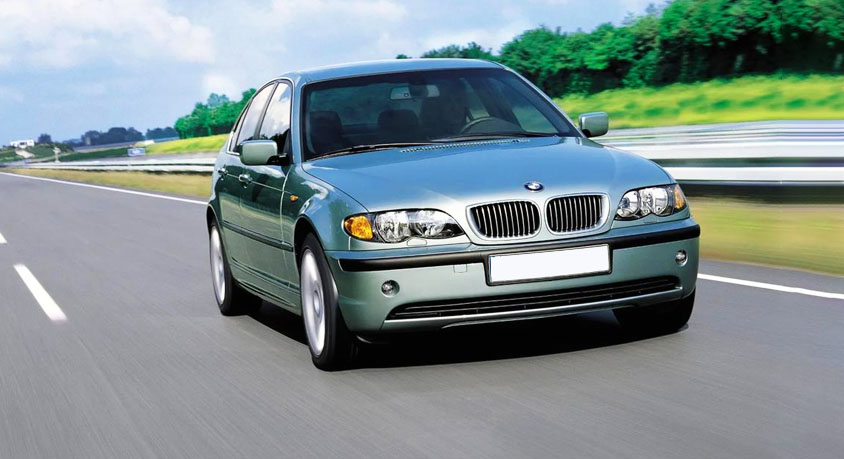
The data outlining this surge is undeniable. According to historical pricing indices from Classic.com and auction results, pristine, low-mileage examples of the E46 M3 (especially the coveted 2003-2006 facelift models with the 333hp S54 engine) and the E60 M5 (with its notorious but glorious S85 V10) have seen a 30-40% appreciation over the past 24 months, with the best examples now firmly in the $80,000 to $110,000 range. This performance outpaces the S&P 500 over the same period and crushes the depreciation curve of any new luxury sedan. This isn't random nostalgia; it's a calculated flight to tangible assets with a fixed, ever-dwindling supply. Each rusted chassis, each engine lost to rod bearing failure, reduces the global pool, increasing the value of the survivors in a classic economic squeeze.
The financial logic, however, is secondary to the phenomenological one. Driving a 2026 EV or even a modern M3 is an experience of managed, digital perfection. The traction control is infallible, the throttle response is synthesized, the steering feel is simulated. The E46 M3, by contrast, is a raw negotiation. The naturally aspirated inline-six doesn't deliver torque; it builds to a frenzied, 8,000-rpm crescendo that requires commitment and skill to access. The hydraulic steering rack communicates every grain of asphalt directly to your palms. There are no drive modes, just a mechanical connection that demands and rewards driver input. In a world of autonomous driving nannies and digital distractions, this analog purity has become the ultimate luxury. It offers not convenience, but catharsis.
The V10-powered E60 M5 represents an even more extreme proposition: the ownership of a glorious, flawed masterpiece. Its engine is one of the last great, high-revving, naturally aspirated V10s ever put in a sedan, a derivative of BMW's F1 technology that screams to an 8,250-rpm redline. It is also famously complex, with potential for costly issues like rod bearing wear, throttle actuator failures (SMG gearbox models), and voracious appetite for tires and fuel. To buy one in 2026 is to make a statement: "I possess not just the capital to acquire this, but the further capital and patience to maintain it." It is a badge of connoisseurship, a declaration that you value emotional resonance over rational utility. In the circles of Silicon Valley and Wall Street elites, owning and maintaining a "sorted" E60 M5 has become a more potent status symbol than the latest hyper-EV; it signals depth, passion, and a willingness to engage with complexity.
This trend is also a direct rebellion against the subscription-based, data-harvesting model of modern vehicles. The E46 has no over-the-air updates, no telematics reporting your driving style, no monthly fee for heated seats. Once purchased, it is yours in totality. Its value isn't stored in a corporate server but in its physical, mechanical essence. In an age of digital ephemera and software obsolescence, these cars represent a permanent, repairable, and ownable asset. They are the automotive equivalent of a mechanical wristwatch in a smartwatch world—valued for their engineering artistry and independence from the grid.
Of course, this investment thesis is fraught with caveats that separate the romantic from the realist. The $90,000 price tag is merely the entry fee. Annual maintenance on an E60 M5 can easily exceed $5,000 even without major failures, as specialists command high rates for their niche knowledge. Parts for a 20-year-old German performance car are becoming scarce and expensive. The technology is antiquated: the infotainment is a museum piece, safety features consist primarily of airbags and stability control, and fuel economy is a comical 13-15 mpg on premium. You are signing up for a hobby, not just a car.
Ultimately, the soaring value of the E46 M3 and E60 M5 is a cultural symptom. It reflects a growing disillusionment with the sanitized, transactional future of mobility and a deep yearning for machines that feel, sound, and respond like living entities. These BMWs are not appreciating in spite of being old, loud, and demanding; they are appreciating because they are old, loud, and demanding. They represent the peak of an analog, driver-centric philosophy that has been legislated and engineered into near extinction. In 2026, buying one isn't a purchase; it's an act of preservation—securing a piece of a tactile, exhilarating, and increasingly forbidden past, and in doing so, making one of the most contrarian and emotionally rewarding investments on four wheels. The price isn't for the metal; it's for the soul, and in a soulless era, that is a commodity whose value knows no ceiling.
Disclaimer: Mention of any brand or trademark is for identification only and does not imply partnership or endorsement