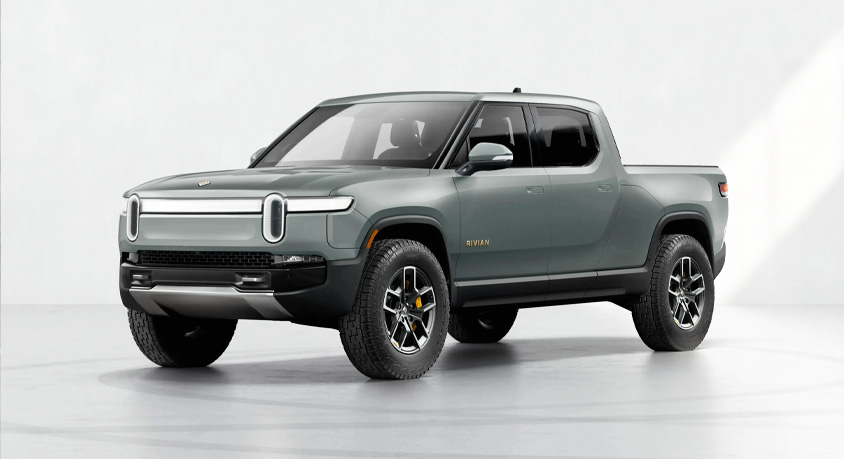
The moment of ideological surrender occurs not in a boardroom, but on a desolate stretch of I-80 in Wyoming. The driver of a Rivian R1T, towing an Airstream, watches the battery gauge plummet faster than the outside temperature as he approaches a flagged charging station, only to find its two stalls occupied by other desperate travelers, with one unit out of order. The promised 300-mile range has evaporated into 140 miles of towing anxiety. This exact scenario, replicated in forums and Facebook groups, has forced a quiet but monumental pivot in engineering strategy. For 2026, Rivian—a brand built on a gospel of pure, adventure-ready electrification—is preparing to offer an optional Extended-Range Electric Vehicle (EREV) system. This isn't a plug-in hybrid; it's an electric vehicle that carries its own emergency generator, a 3-cylinder range extender tucked where the mega-frunk used to be, acting not as a primary power source, but as a lifeline. The very companies that once derided "half-measures" are now embracing a mechanical security blanket, revealing a brutal truth: the triumph of ideology is always contingent on infrastructure, and in America, infrastructure is inconsistent, vast, and unforgiving.
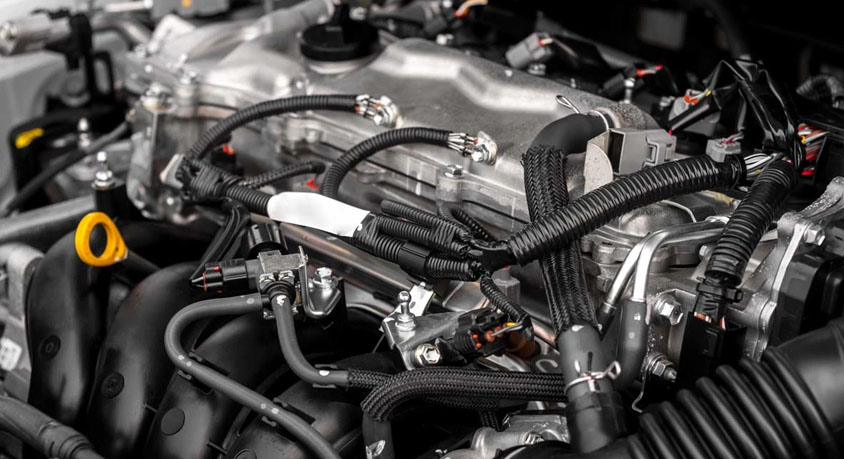
The technical implementation is a fascinating study in compromise. The system is not a parallel hybrid like a Toyota; the small, Atkinson-cycle gasoline engine never directly drives the wheels. It functions solely as a high-efficiency generator, kicking on at a preset state of charge (e.g., 15%) to produce electricity that flows directly to the battery pack or the motors. Think of it as a silent, onboard power station that creates a "minimum guaranteed range" of an extra 150-200 miles, effectively doubling or tripling the vehicle's reach in remote areas or while towing. This preserves the seamless, direct-drive EV experience 95% of the time while completely eliminating the catastrophic "bricking" scenario that haunts long-distance EV travelers. It's a software-controlled safety net, a "get-home" mechanism for a price that is estimated to add $6,000-$8,000 to the vehicle's MSRP.
The driving force behind this reversal is cold, hard data on consumer behavior and infrastructure gaps. Despite massive investment, reliable 350 kW DC fast charging coverage in the American West, Mountain states, and across many rural corridors remains sparse. For Rivian's core adventure-seeking demographic—people who drive to Moab, ski in Telluride, or camp in Montana—this gap represents a fundamental product failure. Similarly, towing any significant weight, a key use case for the R1T, can reduce range by 50% or more, transforming a planned two-stop trip into a four-stop odyssey dependent on pull-through chargers that barely exist. The range extender isn't for daily commutes; it's for the 5% of trips that define 95% of the ownership anxiety. It's an admission that building charging stations is slower and more expensive than adding a small fuel tank and an engine to a vehicle that already has the software to manage it.
This pivot, however, comes with significant trade-offs that stain the pure EV proposition. The range extender and its associated fuel tank, coolant lines, and exhaust system add weight (estimated 300-400 lbs) and complexity, encroaching on the packaging space that was once a brilliant, weatherproof front trunk. It introduces maintenance items that pure EVs famously lack: oil changes, spark plugs, and the potential for fuel system issues. Most importantly, it forces the company to walk back years of marketing that framed internal combustion as an antiquated technology. The "betrayal" felt by early purists is real; they bought into a vision of a completely new paradigm, only to see the company later endorse a bridge technology they were told was obsolete.
From a consumer perspective, the value proposition is intensely personal. For the urban or suburban dweller with reliable home charging who never tows, it's an expensive and unnecessary appendage. For the rural customer, the frequent long-distance traveler, or the serious tower, it transforms the vehicle from a sometimes-compromised tool into a genuinely go-anywhere, do-anything machine. It swaps absolute ideological purity for absolute practical freedom. The math is simple: is the peace of mind worth the upfront cost, added weight, and slight hit to front storage? For a growing number of buyers staring at maps with charging deserts, the answer is shifting to "yes."
Ultimately, the introduction of an EREV option by a staunchly pro-EV brand is not a failure of technology, but a triumph of listening to the market's unmet needs. It is a pragmatic acknowledgment that the energy transition is not a binary switch, but a messy, overlapping process. The range extender isn't a primary power source; it's a mechanical insurance policy against the incomplete and unreliable state of public infrastructure. It allows the company to sell the dream of electric adventure today, without the deal-breaking caveats. The "unthinkable" truth is that by embracing this compromise, these brands may actually accelerate adoption, capturing customers who need a vehicle to work 100% of the time, not just 95%. It's less of a face-slapping contradiction and more of a strategic adaptation: sometimes, to convince people to abandon the old world, you have to offer them a familiar lifeboat on the journey to the new one. The tank isn't for driving; it's for eliminating fear, and in the vast, open spaces of America, that is a feature worth its weight in gasoline.
Disclaimer: Mention of any brand or trademark is for identification only and does not imply partnership or endorsement