The fundamental, unspoken conflict in modern smartphone design is between the laws of physics and the marketing of performance. Silicon chips grow more powerful, generating more heat within sealed, slim glass sandwiches. The industry's universal solution for flagship devices like the iPhone 17 Pro is thermal throttling: a graceful, silent reduction in performance to prevent uncomfortable heat. Gaming phones, like the ASUS ROG Phone 8 Ultimate, take a definitely different approach. They incorporate active cooling systems—actual, whirring fans—to battle physics head-on. After stress-testing both paradigms, the conclusion is stark: the choice isn't between hot and cool, but between two different philosophies of power management. One prioritizes silent, elegant compromise. The other prioritizes sustained, brute-force output, and in doing so, exposes the quiet concessions of mainstream flagships.
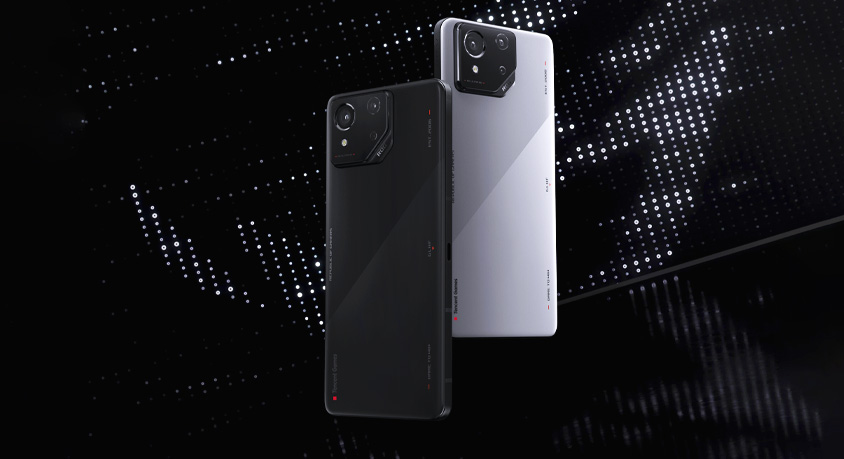
The ROG Phone 8 Ultimate is an unapologetic piece of gaming hardware. Its aerospace-grade aluminum frame houses a 6.78-inch Samsung E6 AMOLED display with a 165Hz refresh rate and a peak brightness of 2600 nits. It is powered by the Qualcomm Snapdragon 8 Gen 5 chip and 24GB of LPDDR6 RAM. Its defining feature is the AeroActive Cooler 8, a clip-on fan attachment that connects via a dedicated side port, drawing power and data directly from the phone. This isn't just a fan blowing on the glass; it activates a thermoelectric (Peltier) cooler and interfaces with an internal vapor chamber and graphite sheets, creating a coordinated heat-exhaust system. The phone itself is thick (10.3mm) and heavy (255g), with RGB lighting accents. It makes no attempt to mimic the minimalist fashion accessory that is the iPhone 17 Pro.
The performance delta under sustained load is not incremental; it's categorical. My test involved running Genshin Impact at maximum settings, 60 FPS, for 45 minutes in a 77°F (25°C) room. The iPhone 17 Pro, with its exquisite titanium frame and passive cooling, starts strong. Within 10 minutes, the back becomes noticeably warm. By 20 minutes, the heat is pronounced, and the system begins its signature, imperceptible downclocking to manage the thermal envelope. The average frame rate settles into the low 50s, with occasional dips. The experience remains smooth, but it is no longer delivering the promised peak performance.
The ROG Phone with the AeroActive Cooler engaged tells a different story. The fan is audible—a distinct, low hum—but not obtrusive in a typical environment. After the same 45-minute session, the back of the phone remains cool to the touch near the fan assembly and only mildly warm elsewhere. More critically, the frame rate graph is a flat line at a locked 60 FPS. There is no throttling. The Snapdragon chip runs at its advertised peak frequencies indefinitely. For a competitive gamer, this is the difference between winning and losing a late-game team fight. The active cooling system doesn't just improve comfort; it guarantees consistent, maximum hardware utilization, which is the very definition of performance.
However, this capability comes with significant and logical trade-offs. The fan accessory must be carried separately and attached for peak performance, adding bulk. The phone's design, with its aggressive angles and gaming aesthetic, is polarizing and not subtle in a professional setting. The battery, a 6500mAh monster, is depleted faster when the chip is allowed to run at full tilt continuously, even with the efficient cooling. You are trading form, silence, and sometimes battery life, for raw, sustained computational throughput.
This illuminates the core strategic choice. The iPhone 17 Pro's "space heater" behavior is not a failure; it is a deliberate, user-experience-first calculation. Apple (and Samsung, and Google) chooses slim, waterproof, silent designs that deliver explosive short-term performance but gracefully step back under sustained load to preserve hand comfort and device longevity. The "Pro" moniker refers to camera and ecosystem prowess, not to unfettered, sustained computation. The gaming phone makes the opposite bet: that for its target user, consistent frame rates and absolute performance are paramount, outweighing the sacrifices in aesthetics, portability, and acoustics.
Therefore, the question "Do phones need water cooling (or fans)?" has a clear, bifurcated answer. For 95% of users, whose performance demands are bursts of social media, photography, and casual gaming, active cooling is an unnecessary complexity. The flagship throttling strategy is perfectly adequate and preferable.
But for the hardcore mobile gamer, the cloud gaming enthusiast, or the user who regularly performs sustained, intensive tasks like 8K video editing on-device, active cooling is not a gimmick—it is an essential enabling technology. It redefines the ceiling of what a mobile device can continuously do. The ROG Phone doesn't make the iPhone look bad; it makes it look like it's designed for a completely different life. One isn't better than the other in a vacuum. One is optimized for a brief sprint of brilliance, beautifully contained. The other is built for a marathon at full speed, with all the requisite gear and noise that such an effort demands. The true innovation is having the choice.
Disclaimer: Mention of any brand or trademark is for identification only and does not imply partnership or endorsement