The modern smartphone is a masterpiece of disposability. We pay a premium for it, yet its value curve is a steep, predictable drop. We upgrade every few years, chasing incremental gains in camera specs or processor benchmarks that offer diminishing returns on our daily experience. In stark contrast, a niche but growing movement, particularly among Gen Z creators and programmers, is investing heavily in a different kind of tool: the custom mechanical keyboard. It’s not uncommon to see builds totaling $600 or more—a sum that could fund a new mid-range phone. This spending pattern seems irrational on a spreadsheet, but it reveals a deeper, almost philosophical shift in how a generation values technology. After building and using a high-end custom board for a month, the distinction becomes clear. The smartphone is a black-box appliance for consumption and communication. The keyboard is a personalized, tactile instrument for creation. One is an ephemeral portal; the other is a permanent, sensory extension of the self.
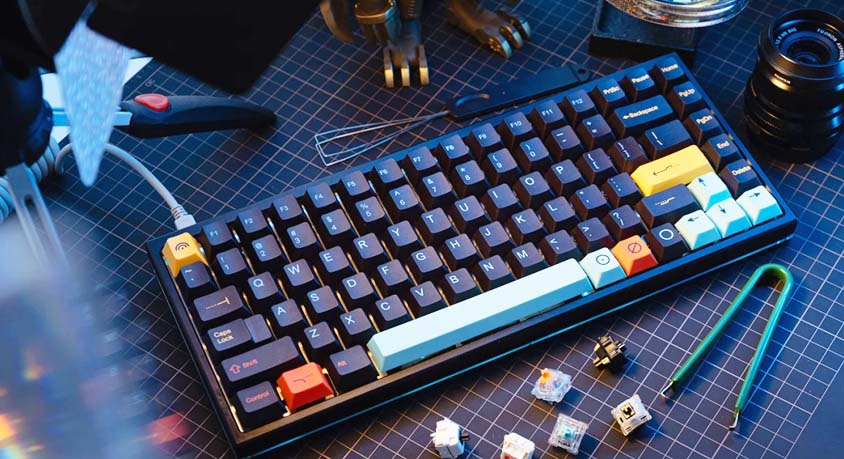
Let's dissect a representative $600 build. The foundation is the case, often CNC-machined from a solid block of aluminum, weighing over 5 pounds. It provides a dense, resonant, and immovable platform. Inside, a custom printed circuit board (PCB) supports sophisticated features like hot-swap sockets, RGB underglow, and QMK/VIA firmware for limitless reprogramming of every key. The soul of the keyboard lies in the switches—not the generic "blue" or "brown" of gaming keyboards, but meticulously engineered components like Gazzew Boba U4T tactile switches. Each switch is a $0.80 marvel with a specific force curve, tactile bump sharpness, and sound profile, often further customized with specialized lubricants and spring swaps. These are mounted on a polycarbonate plate for a slightly flexible typing feel. Finally, the keycaps: a set of double-shot PBT plastic caps, designed by an independent artist and produced in a limited group buy, costing $150 alone. The assembly is a ritual. The result is not merely a tool for entering text; it is a device engineered for a specific sensory and auditory feedback loop.
The experience is where the investment justifies itself. Typing on this custom creation is a profound departure from the mushy, low-travel scissor switches of a laptop or even a pre-built mechanical keyboard. Each keystroke provides a precise, satisfying tactile bump and a deep, resonant "thock" sound. The heavy case eliminates any flex or vibration, making every input feel intentional and solid. For a writer or programmer who spends 8-12 hours a day interfacing with a machine through their fingers, this is not a luxury; it is ergonomic and cognitive optimization. The tactile and auditory confirmation reduces bottom-out force, potentially easing strain. More importantly, the sheer pleasure of the interaction makes the act of creation more enjoyable, turning a utilitarian task into a subtly gratifying one. It fosters a state of flow. The keyboard becomes a direct, high-fidelity conduit between thought and digital output.
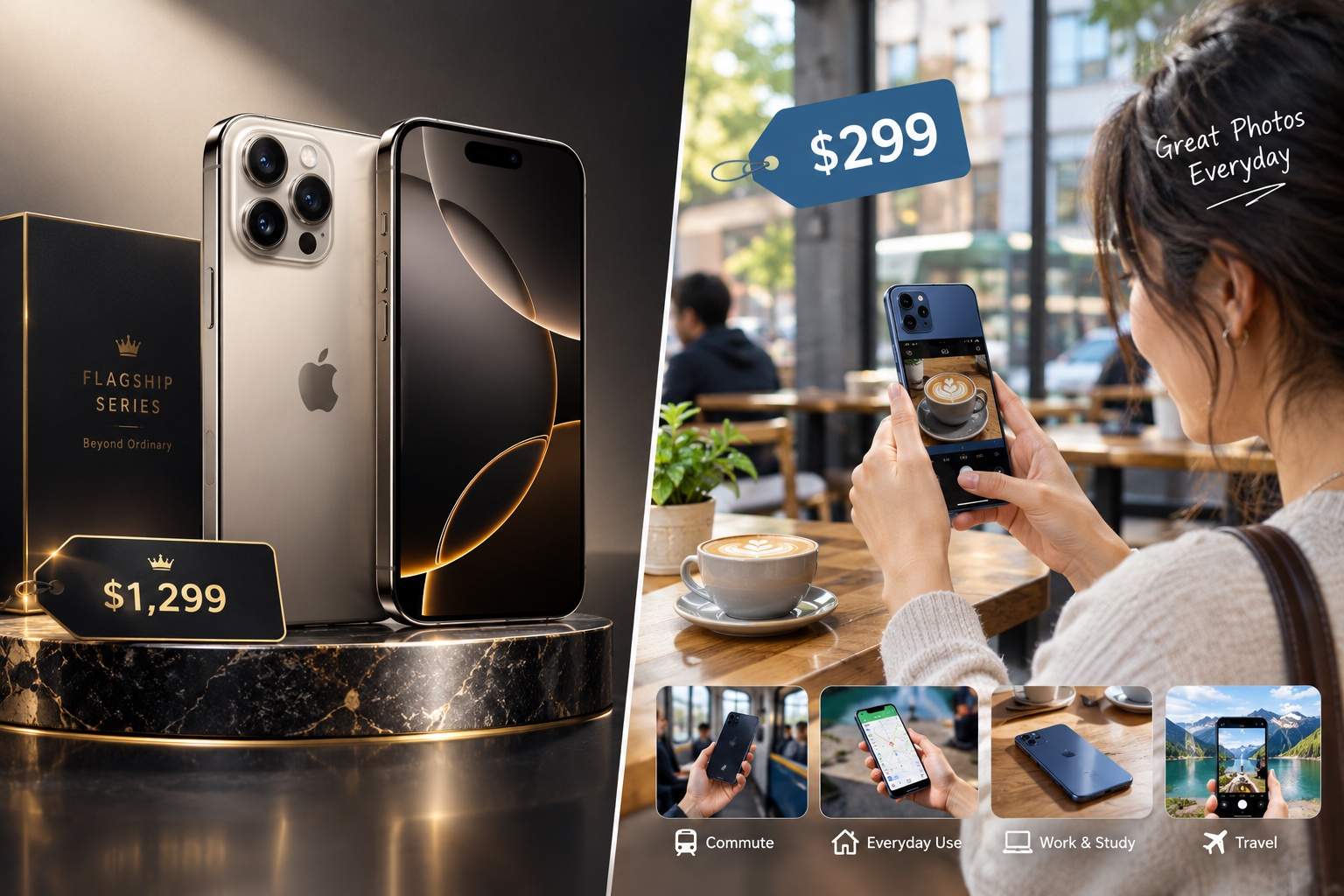
This stands in direct opposition to the smartphone upgrade cycle. The leap from an iPhone 16 to an iPhone 17 offers a marginally better camera, a slightly faster chip you’ll rarely fully utilize, and a new titanium color. The experience of texting, scrolling, and calling remains fundamentally unchanged. The marginal utility of that $800 upgrade is vanishingly low for daily life. The $600 keyboard, however, provides a radically different, deeply personal utility every single day. It is a tool of agency in a world of algorithmic feeds. You cannot customize the touchscreen feel of your phone, but you can tune your keyboard’s acoustics, actuation force, and even the firmness of its mounting to your exact preference. It is an anti-disposable, long-term investment in a personalized tactile reality.
Therefore, this trend is not about keyboards per se; it is a rejection of passive, homogenized tech consumption and an embrace of active, personalized tool ownership. The target audience for a $600 custom keyboard is the professional or serious hobbyist whose primary output is textual or code-based, who values craftsmanship, and who seeks a tangible, lasting connection to their digital workspace. It is for those who derive identity and satisfaction from their tools.
It is a nonsensical purchase for the casual user, the frequent traveler, or anyone who does not perceive the nuanced differences in typing feel. It is the antithesis of convenience, requiring research, patience, and assembly.
The cult of tactile feedback, then, is a rational response to digital ephemerality. In a world of cloud services and planned obsolescence, a well-built custom keyboard is a permanent, mechanical artifact. It doesn’t get slower with age. Its value is not in its specs, but in the daily, physical dialogue it enables between the user and their work. Gen Z isn’t forsaking technology by spending on keyboards; they are investing in a deeper, more human layer of the technological experience—one that their phone, no matter how expensive, has long since abstracted away into a silent, smooth piece of glass.
Disclaimer: Mention of any brand or trademark is for identification only and does not imply partnership or endorsement