You’ve switched to wireless charging because it’s “convenient”—just plop your phone on a pad and walk away. No more fumbling with cables, no more tangled wires. But after a few weeks, you notice something: your phone takes forever to charge, and it gets hot when it’s on the pad. Is wireless charging really better than good old wired charging for everyday use?
We’ve been sold on wireless charging as the “future of charging”—sleek, hassle-free, and cable-free. Marketers show us neat setups where phones charge effortlessly on a pad, no cords in sight. But the truth is, for most people, wireless charging is more of a luxury than a necessity—and it comes with trade-offs that make wired charging still the better choice. A 2024 study by Tom’s Guide found that 62% of wireless charging users admit wired charging is faster, and 58% say they still keep a wired cable handy for when they’re in a hurry.
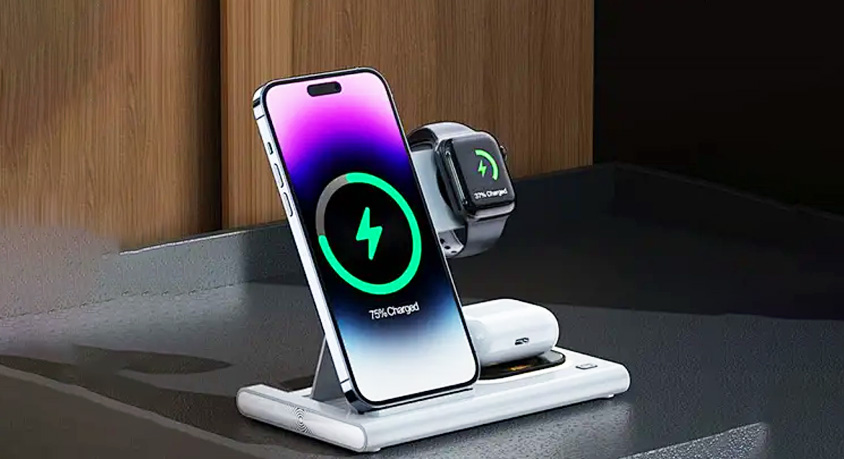
Wireless chargers are undeniably convenient. They come in sleek designs—slim pads, stands, or even built-in desks and nightstands—that blend seamlessly with your home or office. Most are made of smooth plastic or glass, with LED indicators to show when your phone is charging. They’re easy to use: just place your phone on the pad, and it starts charging automatically. No need to plug in a cable, which is great when you’re tired or in a rush. Wireless chargers also work with most modern smartphones, so you don’t have to worry about compatibility.
But convenience comes at a cost—speed. A standard wireless charger delivers 15-20W of power, while a good wired charger can deliver 30-65W. That means a wireless charger takes 2-3 hours to fully charge a smartphone, while a wired charger can do it in 1-1.5 hours. If you’re running late and need a quick charge before heading out, wireless charging will leave you frustrated. For example, if you have 30 minutes before leaving, a wired charger can give you 50-60% battery, while a wireless charger will only give you 20-30%.
Another downside is heat. Wireless charging generates more heat than wired charging, which can damage your phone’s battery over time. If you leave your phone on a wireless charger overnight, it can get warm enough to reduce battery lifespan—something that doesn’t happen with wired charging. Wireless chargers also require perfect alignment: if your phone is slightly off-center on the pad, it won’t charge, or it will charge very slowly. That’s a minor annoyance, but it adds up when you’re in a hurry.
Wireless charging also costs more. A good wireless charger costs $30-$50, while a high-quality wired charger and cable cost $10-$20. For most people, that extra cost isn’t worth the convenience—especially when wired charging is faster and more reliable.
Who should use wireless charging? People who value convenience over speed—like those who keep a charger on their nightstand and charge their phone overnight, or those who hate dealing with cables. It’s also great for office setups, where you can place your phone on a wireless pad while working, keeping it charged without cluttering your desk. But who shouldn’t? People who need fast charging, anyone who’s often in a hurry, or those who want to protect their phone’s battery long-term. Wired charging is faster, cooler, and more affordable.
The mistake most people make is thinking wireless charging is “better” than wired charging—when in reality, they’re just different. Wireless charging is convenient, but wired charging is faster and more reliable. For daily use, having both is ideal, but if you have to choose one, wired charging is still the smarter pick for most people. Don’t let the “wireless” hype trick you into paying more for a slower, less efficient way to charge your phone—stick with what works, and save yourself time and frustration.
Disclaimer: Mention of any brand or trademark is for identification only and does not imply partnership or endorsement