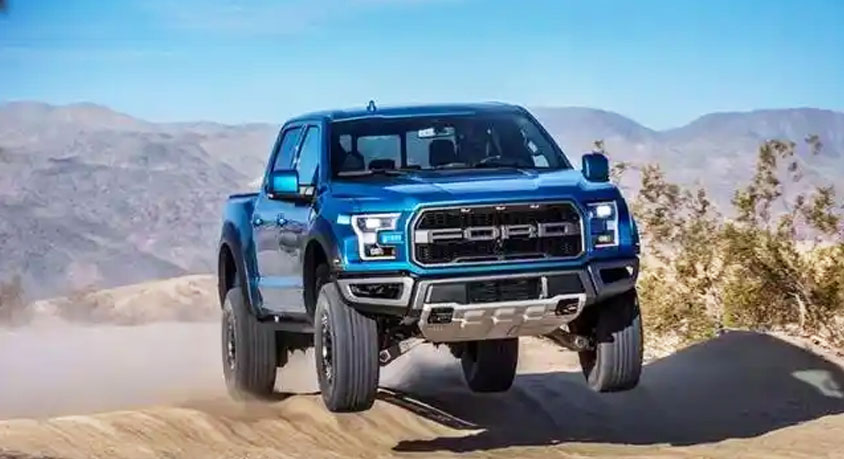
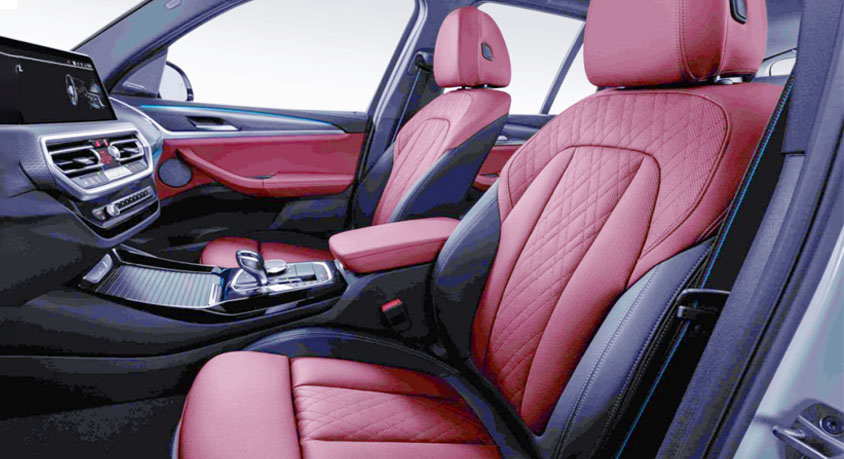
Imagine a frigid January morning. You slide into your car, a vehicle you purchased outright, its title clean and clear. You press the button for the heated seats, a hardware element physically installed beneath the leather, and nothing happens. A notification glows on the dashboard screen: "Heated Seat Feature Inactive. Subscribe to renew access for $15/month or $150/year." This is not a dystopian fiction; it is the emerging business model reality for brands like BMW, Mercedes-Benz, and even Ford, turning the private act of ownership into a continuous, negotiated transaction. The underlying engine of this shift is the "Software Defined Vehicle" (SDV), a paradigm that promises boundless customization and over-the-air updates, but whose architecture fundamentally redefines who controls your property, your privacy, and your wallet long after you drive off the lot.
At its core, the SDV is a powerful and legitimate technological evolution. It treats the car less as a static collection of mechanical parts and more as a rolling smartphone, its capabilities increasingly dictated by software rather than hardware alone. This allows for genuine benefits: a major safety system can be improved via download, a new navigation feature can be added without a dealership visit, and the powertrain’s efficiency can be fine-tuned remotely. The problem is not the technology itself, but the economic logic now being grafted onto it. Manufacturers have discovered that selling a car is a one-time event with finite profit, but selling continuous access to the car’s functions creates a perpetual revenue stream—a "subscription annuity" from a captive audience.
This is where the principle of ownership dissolves into a gray area of licensed access. The physical component—the heating element, the matrix LED pixel, the extra horsepower stored in the engine control unit—is already in the vehicle. You paid for its manufacturing and installation as part of the car’s base price. The subscription fee is not for a service being provided anew each month, like satellite radio data; it is a digital key, a software flag that toggles your pre-existing hardware from "disabled" to "enabled." It transforms a capital purchase into an operational expense, leveraging the vehicle's own connectivity to enforce compliance. The psychological effect is profound: your property is rendered partially inert by the entity that sold it to you, creating a sense of negotiated access rather than sovereign control.
The implications for privacy and data sovereignty are even more disquieting. For this model to function, the vehicle must be in constant, bi-directional communication with the manufacturer’s servers. It must report on feature usage, location, driving behavior, and system status to manage subscriptions and, ostensibly, improve services. Your car becomes a dense, rolling data mine. While anonymized data aggregation can lead to better products, the sheer intimacy of the dataset—tracking when you use seat warmers, how often you engage sport mode, the exact routes you take—creates a detailed behavioral profile. The business incentive shifts from selling you a great car to monetizing your usage of it, and the data you generate is the fuel for that engine. The ownership of this data, and the transparency about its use, remains murky at best.
Proponents argue this offers flexibility, allowing a buyer to temporarily activate a feature for a road trip. Yet, this frames a profound imposition as a consumer benefit. It introduces friction and mental accounting into basic vehicle operation, turning every comfort and convenience into a budgetary line item. The minor annoyance of a subscription pop-up on your dashboard is a surface symptom of a deeper architectural change: the redefinition of a car from a private good to a platform controlled by its original manufacturer. The relationship is no longer between you and your machine; it is a three-way relationship between you, your machine, and the corporation that holds its digital keys.
The backlash is not merely about heated seats; it is a foundational debate about property rights in the digital age. When you buy a physical asset embedded with software, what exactly do you own? The right to use the hardware you paid for, or merely a license that can be revoked or modified from afar? The automotive industry, facing colossal investments in electrification and autonomy, sees subscriptions as a necessary financial lifeline. However, in pursuing this path, they risk committing a cardinal sin: destroying the very feeling of unencumbered ownership that has made the personal automobile a symbol of freedom for over a century. The question for 2026 is not whether technology can do this, but whether we, as drivers and owners, will accept a future where our garage contains not a vehicle, but a tenant.
Disclaimer: Mention of any brand or trademark is for identification only and does not imply partnership or endorsement