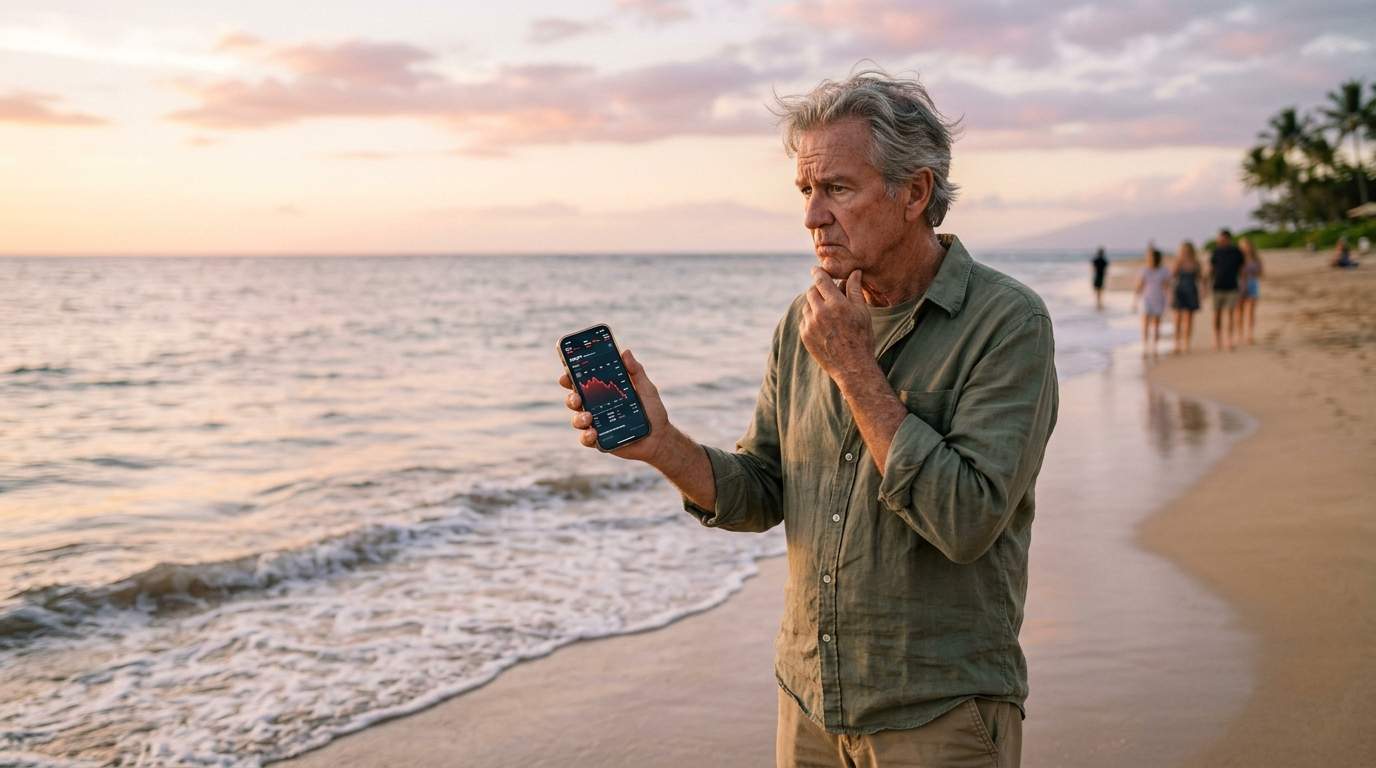
My experiment began with a moment of profound helplessness. Standing in line at a cafe, my hand instinctively moved to my empty pocket. There was no sleek glass rectangle to pull out, no infinite scroll to absorb the 90-second wait. I had, for seven days, replaced my smartphone with a modern flip phone, a device like the Nokia 2780 Flip or the Light Phone II. This was not a Luddite's protest, but a personal inquiry into the infrastructure of my own attention. We speak of digital detox as a purge, but I was more interested in the void it would create—what would grow in the absence of that constant, low-grade stimulus? The answer was not just less screen time, but a recalibration of perception itself.
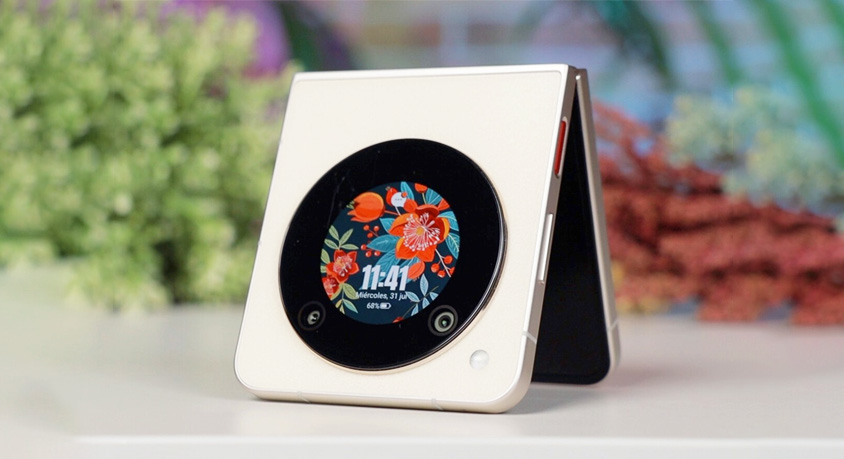
The device is an exercise in radical constraint. The Nokia 2780 Flip is lightweight, with a satisfying snap to its hinge. The external screen shows the time; the internal one is a small, low-resolution color display. It has physical, tactile buttons for dialing and a basic directional pad for navigating simple menus. Its technical specifications are a museum exhibit: a Qualcomm 215 processor, 512MB of RAM, a VGA camera, and a 1,450mAh battery that lasts not for a day, but for a week. This is not a computer. It is a tool for two primary functions: voice communication and SMS texting. It can also play FM radio and the game Snake, a poignant callback to a simpler digital era. The hardware enforces its philosophy through sheer inability.
The first 48 hours were defined by a psychological withdrawal sharper than I anticipated. The phantom vibrations were constant. A deep-seated itch to "check"—for what, I wasn't even sure—would arise during any moment of mental pause: riding an elevator, waiting for water to boil, sitting on the subway. The flip phone offered no relief. Its interface was slow and deliberate; sending a text message required multiple button presses. This friction was the first teacher. Communication became intentional, not impulsive. You thought about whether a call was worth making or a text necessary, because the process carried a cost in time and effort that iMessage had erased. The silence was initially deafening, then gradually became spacious.
The practical limitations quickly sketched a new shape for my days. Without maps, I had to plan routes ahead of time, writing down directions or studying a journey on a computer before leaving. Without a mobile browser, questions that arose in conversation—"Who was the actor in that film?"—remained questions, sparking speculation and debate rather than being instantly resolved and forgotten. Without a digital wallet, I carried cash and a physical card. Without any social media or email, the compulsive need to document and share experiences vanished. I simply experienced them. In a cafe, I watched people. On the train, I read a physical book or just looked out the window. The world, which my smartphone had mediated into a stream of consumable content, reasserted itself as a complex, immersive, and sometimes boring, sensory environment.
By the week's end, the most significant change was cognitive. The constant background anxiety of managing notifications, updates, and an infinite information feed dissipated. My attention, which had been fragmented into minute-long chunks, began to re-cohere. I could read for an hour without distraction. I found myself more present in conversations, not because I was morally superior, but because there was literally nothing else in my hand competing for my focus. The "boredom" I initially feared transformed into a fertile ground for observation and unstructured thought. My brain, no longer a switchboard for digital interruptions, felt quieter, slower, and more my own.
This path is not viable, nor desirable, for everyone. The flip phone is a stark tool for a specific purpose. You should consider it if you are experiencing severe digital overload, if your smartphone use feels compulsive and destructive, or if you need a strict boundary for a focused period like a vacation or a writing retreat. It is perfect as a secondary device for these purposes.
You should absolutely not adopt it as your primary phone if your job requires Slack, email, or mobile authentication; if you rely on ride-sharing or mobile payments for daily logistics; or if you need maps for navigating an unfamiliar city. It is a tool of exclusion, and it excludes many modern necessities.
My week with the flip phone did not convince me to abandon my smartphone permanently. It did something more valuable: it broke the illusion of its indispensability for large portions of the day. It proved that the "connected" life is often a series of micro-interruptions that erode our capacity for deep attention and calm. The flip phone didn't give me new features; it gave me back the default state of my own mind. I returned to my smartphone with a new relationship to it—as a powerful, specific tool I choose to use, not an ambient environment I am helplessly immersed in. The brain difference was the realization that focus isn't something you find; it's something you reclaim by removing the things designed to shatter it.
Disclaimer: Mention of any brand or trademark is for identification only and does not imply partnership or endorsement