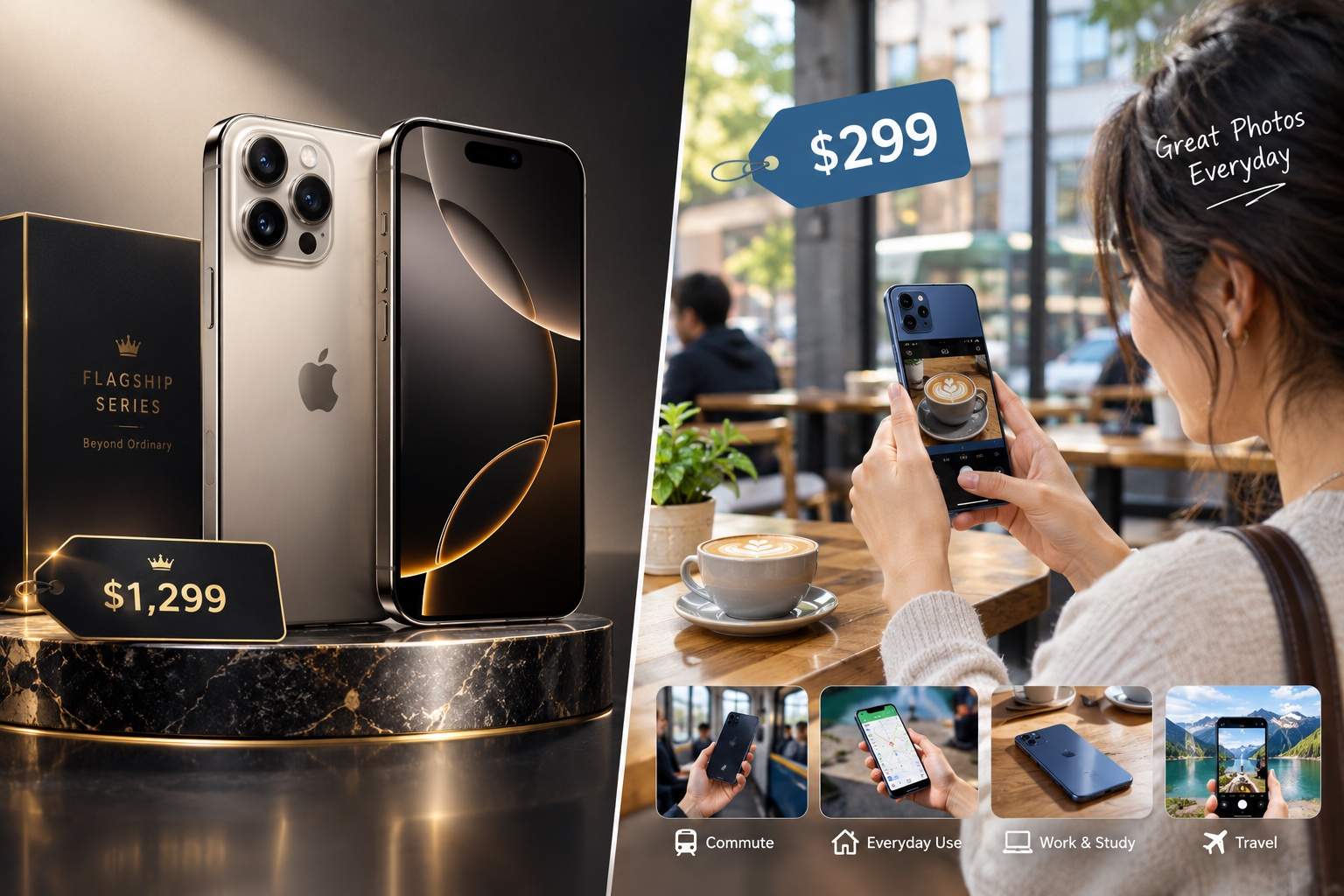
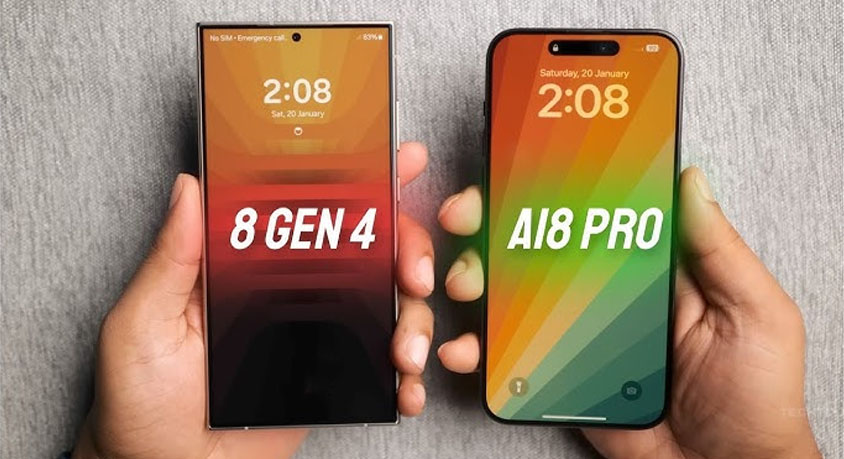

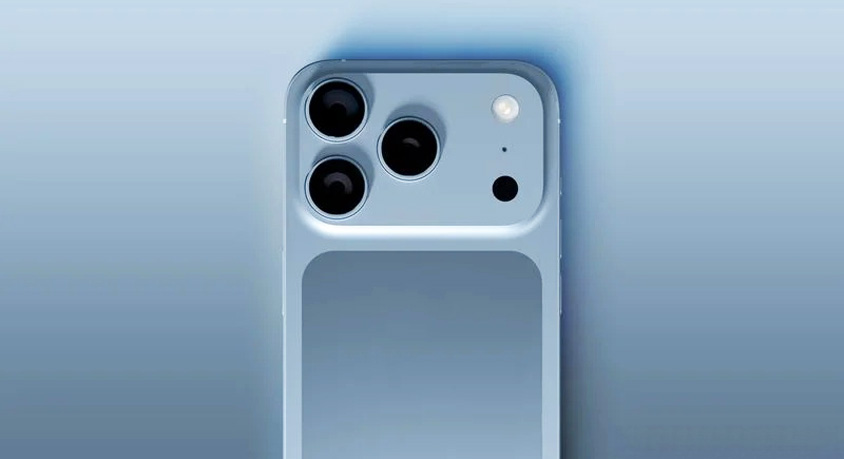
We are witnessing a quiet, collective strain injury. Pick up a current flagship "Pro" smartphone—an iPhone 17 Pro Max, a Samsung Galaxy S25 Ultra. Feel its substantial, dense presence in your palm. Note the subtle but persistent pressure on your little finger when you cradle it from below. This is not an accident of engineering; it is the direct result of a deliberate design doctrine that equates "premium" with "dense," and "pro" with "heavy." Over the last five years, top-tier phones have systematically gained mass. The original iPhone weighed 135 grams. The iPhone 17 Pro Max tips the scales at approximately 240 grams—nearly half a pound, before you add a case. This trend demands scrutiny. What are we trading for this heft, and is the exchange truly beneficial, or is it a case of engineered prestige overriding fundamental ergonomics?
The data tells a clear story of mass accretion. The shift from aluminum frames to stainless steel, and now to titanium in many flagship models, is a primary driver. Titanium is stronger and more scratch-resistant than aluminum, but it is also denser. A titanium frame, while offering a higher strength-to-weight ratio than steel, is still heavier than an aluminum one would be for the same structural role. Combine this with larger camera arrays featuring multiple heavy glass lens elements, bigger vibration motors for haptics, and increased battery capacities, and the result is inevitable: a heavier device. The iPhone 15 Pro Max weighed 221 grams. Its titanium-bodied successor, the 16 Pro Max, came in at 221 grams as well, but with a larger overall size, meaning the weight was more spread out—a trade-off, not a reduction. The quest for "premium feel" through cold-to-the-touch metals directly conflicts with the physics of comfortable, prolonged handheld use.
This weight has a tangible, negative impact on the user experience that specifications sheets ignore. The "pinky shelf" phenomenon, where your little finger deforms to support the phone's bottom edge, is a direct biomechanical consequence. Heavier phones are more difficult to operate one-handed, increasing the risk of drops. They are more conspicuous and burdensome in a pocket. They contribute to arm and wrist fatigue during long reading or video-calling sessions. The experience shifts from seamless interaction to conscious management of a dense object. The promised "premium" feel lasts for the first five minutes of unboxing; the ache sets in after the first hour of use. We have accepted this discomfort as the price of high-end technology, but it is largely the price of a specific material choice masquerading as necessity.
The justification from manufacturers follows a "Pro" narrative. The heavier materials offer better durability for the device's structure. The larger camera sensors require more glass and metal housing. The bigger battery provides all-day power for intensive tasks. There is technical truth here. However, this narrative conflates professional capability with physical mass. It assumes that a professional user prioritizes marginal gains in lens size or battery capacity over the cumulative fatigue of carrying and using the device for 12 hours a day. It is an engineering-centric view that neglects the human factor. Is a photographer better served by a slightly larger main sensor, or by a lighter device they can hold steadily for longer periods without strain? The current "Pro" formula rarely asks this question.
The alternative path, championed by some manufacturers in standard models, is a return to high-grade polymers and aluminum. These materials can be engineered to be remarkably strong and rigid while shaving 30-40 grams off the total weight. The difference is not trivial; it is the difference between a device you notice and a device you forget you're holding. The argument against them is perceptual, not functional: they are deemed less "premium" by marketing departments because they lack the cold, jewelry-like heft of metal. This is the core of the problem: we are optimizing for a fleeting impression of luxury in a store, rather than for the long-term physical comfort of the user.
Therefore, the consumer faces a choice based on honest self-assessment. The current "Pro" or "Ultra" phone is for you if you genuinely value the absolute peak in camera hardware and are willing to treat the device as a specialized tool, often used two-handed or on a surface, accepting its heft as part of the kit. It is for those who place maximum durability above daily comfort.
For the vast majority, the standard model—often lighter, with an aluminum frame and slightly trimmed specs—delivers 95% of the core experience with 100% better ergonomics. You should actively choose it if your priority is a phone that disappears into your life as a communication and information tool, not a statement object. The most intelligent "pro" feature for any mobile device may ultimately be the one that respects the limits of the human hand. It is time to challenge the assumption that more advanced must mean heavier. True innovation would be delivering "Pro" performance in a package that feels, once again, effortlessly light.
Disclaimer: Mention of any brand or trademark is for identification only and does not imply partnership or endorsement