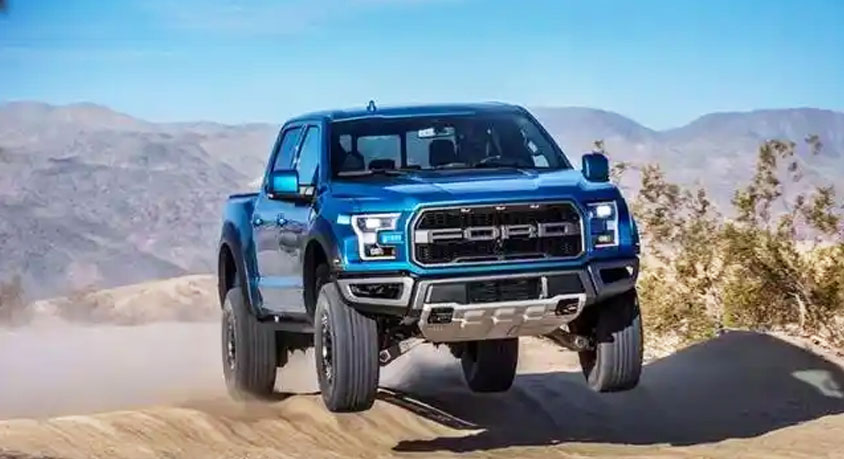
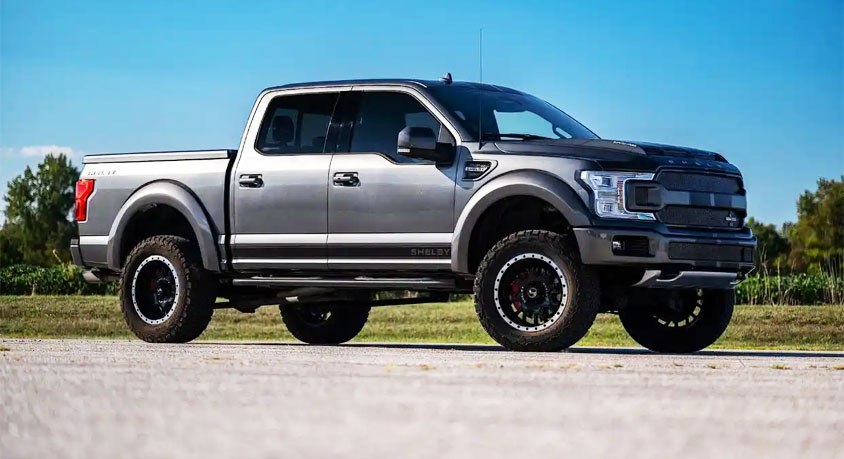
Close the door of a Ford F-150 Lariat or a Ram 1500 Limited, and the first sensation that registers is not ruggedness, but profound isolation. The cacophony of a school parking lot—shrieking children, slamming minivan doors—is muted to a distant murmur, thanks to acoustic laminated glass and strategic layers of sound-deadening material applied to the firewall and floorpan. The steering wheel is wrapped in heated, perforated leather, the seats offer 10-way power adjustment with cooling and massage functions, and the panoramic sunroof floods the cabin with light, creating an environment that shares more DNA with a luxury sedan than with a work site. This quiet, padded sanctuary becomes the default setting for the school run, the grocery haul, and the weekend road trip, a rolling command center that treats the driver as a CEO, not a foreman.
Passenger space undergoes a similar redefinition. The rear seats of a crew-cab pickup provide legroom that embarrasses most three-row SUVs, allowing children in bulky booster seats to kick freely without touching the front seatbacks, while adults can actually sit cross-legged. The flat floor, a structural benefit of the body-on-frame design, eliminates the central tunnel hump, creating a sense of expansive, usable square footage. This transforms the second row into a versatile family zone for road trips, where car seats, backpacks, and dog beds can coexist without the spatial negotiations required in many crossovers. The high seating position offers a commanding, anxiety-reducing view of traffic, a feature once exclusive to large SUVs.
The ride quality, historically a punishing trade-off for payload capacity, has been systematically engineered into submission. The adoption of sophisticated coil-spring or multi-link rear suspensions in place of traditional leaf springs, combined with adaptive dampers available on higher trims, allows these trucks to float over broken pavement with a supple, controlled motion that many truck-based SUVs struggle to match. The long wheelbase acts as a natural stabilizer, ironing out highway expansion joints and reducing the head-toss common in shorter vehicles. Driving a modern F-150 or Ram on a smooth interstate feels less like piloting a tool and more like guiding a very large, very comfortable land yacht.
Practicality, however, is where the pickup executes its decisive maneuver. The cargo bed, a 5.5-foot or 6.5-foot open-air trunk, operates under a completely different set of physics than an enclosed SUV hold. It accepts dirty, wet, or oversized items without a second thought: bags of mulch, a leaking cooler full of fish, a freshly-purchased shrub, or a mountain bike with muddy tires. For family logistics, it’s a game-changer; it can carry a full-sized stroller and a week’s groceries without one contaminating the other, a task that would require creative Tetris in even the largest SUV. This space is also inherently hygienic, isolating mess and odors from the passenger cell—a feature any parent who has dealt with a spilled milkshake or a wet dog will instantly appreciate.
This migration represents a quiet recalculation of the family vehicle formula. The modern full-size pickup has successfully decoupled its utilitarian hardware from the daily user experience. It offers the passenger space and comfort of a large SUV, then adds a unique, un-matchable dimension of utility that operates outside the cabin’s cleanliness and climate control. It asks a subversive question: why choose a vehicle that simply carries your stuff inside, when you can choose one that carries your family in luxury and your stuff in a separate, more capable, and easily cleaned compartment? The answer, for a growing number of households, is making the pickup truck not just a viable alternative to the SUV, but a more rational and compelling one.
Disclaimer: Mention of any brand or trademark is for identification only and does not imply partnership or endorsement