


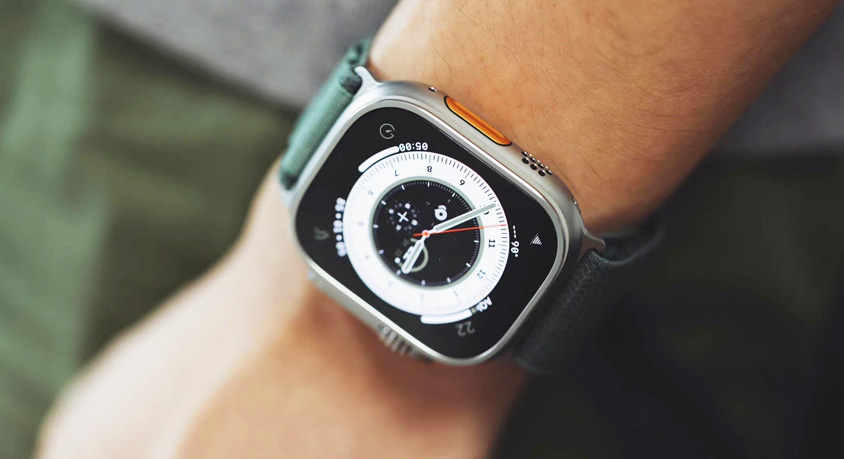
The introduction of titanium into mainstream consumer electronics, from the iPhone 15 Pro to the Apple Watch Ultra, was heralded as a watershed moment. Here, at last, was a material borrowed from aerospace and high-end watchmaking, promising a new tier of durability and prestige. The marketing narrative was compelling: stronger than steel, lighter than stainless steel, and imbued with a rugged, sophisticated allure. But when we subject this narrative to the cold scrutiny of material science and real-world application, a more complicated picture emerges. The shift to titanium is less a fundamental breakthrough in device utility and more a sophisticated exercise in perceived-value engineering. The central question isn't whether titanium is a superior material—it is—but whether its specific advantages translate into a meaningfully better experience for the user, or simply a more expensive one.
First, we must establish the baseline. Titanium alloys, like Grade 5 (Ti-6Al-4V), possess an excellent strength-to-weight ratio. They are indeed stronger and more rigid than the 6000-series aluminum alloys used in standard iPhones or the stainless steel used in previous Pro models. On paper, this suggests better structural integrity and dent resistance. However, this raw strength advantage is dramatically mediated by design and physics. A smartphone frame is not a structural beam; it is a thin, complex chassis. The primary point of failure in a drop is not the frame bending, but the glass shattering. Controlled drop tests conducted by independent labs consistently show that phones with titanium frames fare no better—and sometimes worse—in surviving screen or back glass cracks from typical waist-high drops onto concrete than their aluminum counterparts. The titanium might not dent, but the transferred energy still fractures the glass. The advertised "strength" is largely irrelevant to the most common form of damage. The real protection comes from the design of the chassis edges and the quality of the glass, not the frame material itself.
The thermal argument is where titanium's shortcomings become critical. Titanium has a thermal conductivity of approximately 21.9 W/(m·K). Aluminum, by stark contrast, has a thermal conductivity of about 205 W/(m·K)—nearly ten times higher. In practical terms, aluminum is a spectacular heat spreader, while titanium is a relative insulator. For a device like a smartphone or a smartwatch, which packs immense computational power into a tiny space, managing heat is paramount for sustaining performance. An aluminum chassis acts as a passive heatsink, helping to dissipate warmth from the internal processor across the entire body. A titanium chassis traps that heat closer to the core components. During sustained workloads—like gaming or video exporting—this can lead to higher internal temperatures, more aggressive thermal throttling (where the processor slows down to cool off), and a warmer-to-the-touch device. You are trading a theoretical gain in structural resilience for a definitive loss in thermal efficiency. In a device whose performance is its raison d'être, this is a significant compromise.
The experiential benefits are equally nuanced. Titanium's weight is its most tangible daily attribute. It is lighter than stainless steel, which is a genuine ergonomic improvement for a watch or a large phone. However, compared to aluminum, the weight savings are minimal and often offset by other components. The iPhone 15 Pro, for example, is lighter than its stainless steel predecessor but not dramatically lighter than a hypothetical aluminum model of the same size. The "premium feel" is subjective—the cool, hard touch of brushed titanium is distinct, but so is the warm, smooth touch of anodized aluminum. The scratch resistance of titanium is also a double-edged sword. While it is harder than aluminum and resists fine scratches better, when it does scratch, the uncoated metal beneath is exposed, leading to more visible, silvery marks on darker finishes. Aluminum, when scratched, often reveals a similar-colored layer underneath due to its anodization.
So, what are you actually buying? You are purchasing a set of trade-offs optimized for marketing appeal, not user-centric engineering. The titanium frame allows a brand to claim "aerospace-grade" materials, to offer a distinct color palette (like the natural titanium finish), and to create a narrative of extreme durability that plays well in adventure-focused marketing for the Apple Watch Ultra. It is a material that supports a brand story of rugged luxury.
Therefore, the rational evaluation is clear. A titanium-bodied device is for the user who values the specific aesthetic and the marginal weight reduction over stainless steel enough to pay a premium, and who is not engaged in sustained, processor-intensive tasks where thermal management is critical. It is for those who buy into the symbolic value of the material itself.
For the vast majority, an aluminum-framed device offers superior thermal performance, a negligible real-world durability difference in common drop scenarios, and a significant cost saving. The "trap" is the assumption that a more exotic, expensive material must deliver a universally better experience. In reality, engineering is about selecting the right material for the job. For a consumer device that must balance performance, weight, durability, and heat dissipation, aluminum remains a remarkably optimal choice. Titanium's ascendancy is a lesson in how material science can be leveraged to create perceived differentiation and justify price inflation, even when the functional benefits for the end user are marginal or, in the case of thermals, counterproductive. Don't buy the frame; buy the computer inside it. The smartest material choice is the one you never have to think about.
Disclaimer: Mention of any brand or trademark is for identification only and does not imply partnership or endorsement