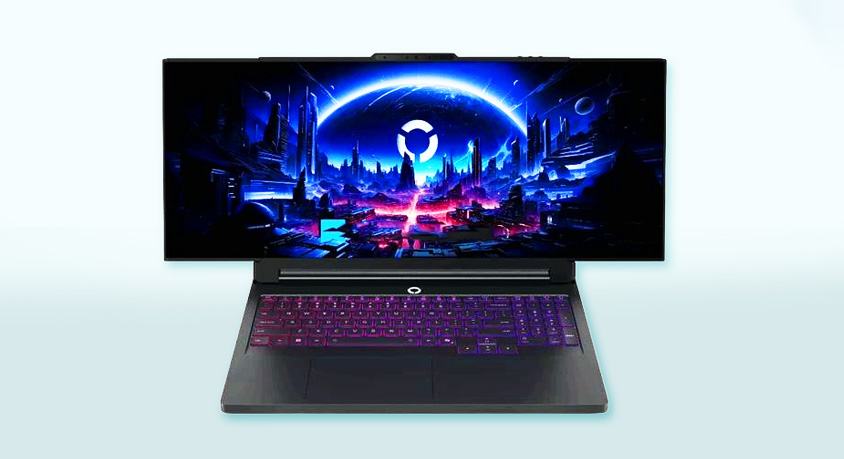
Every few years, a device emerges from the lab that makes you question the fundamental assumptions of a product category. The Lenovo Legion Pro Rollable is precisely such a device. At first glance, it appears to be a conventional, if somewhat chunky, gaming laptop. But then, with a press of a key or a voice command, the screen begins to rise. The display physically unrolls from within the chassis, extending vertically to transform a 16-inch laptop into an 18-inch portrait-oriented monitor. It is a moment of pure technological theater. But after spending a week with this machine, the question that lingers is not whether it works, but whether it solves a problem we actually have, or merely demonstrates what engineers can achieve when told to ignore the constraints of convention.
Pick up the Legion Pro Rollable and the first thing you notice is the weight. At nearly 2.5 kilograms, this is not a machine for the frequent flyer. It is dense, substantial, and undeniably solid. The chassis is a mix of brushed aluminum and a soft-touch composite that feels durable enough for years of use. The hinge mechanism, which houses the motorized roller, is a feat of mechanical engineering. It operates with a smooth, quiet whir that inspires confidence rather than anxiety. For the gamer or creator who sets up in a single room and rarely moves, the physical presence feels reassuring. For the digital nomad, the backpack space required and the weight on the shoulder will be a constant reminder that this is a desktop replacement, not a travel companion.
The base screen, before expansion, is a 16-inch OLED panel with a 240Hz refresh rate and blistering brightness. It is, by any measure, an exceptional display. Colors are vibrant, blacks are truly black, and motion is buttery smooth. For gaming or video editing, it immediately impresses. Then you trigger the expansion. The screen rises from the top bezel, revealing an additional 2 inches of vertical real estate. The total resolution shifts to a tall, almost square aspect ratio that is optimized for vertical content. For a programmer scrolling through lines of code, a social media manager reviewing a feed, or a stock trader monitoring multiple tickers, the extra vertical space is genuinely useful. The transition takes about three seconds and feels like watching a piece of science fiction become mundane.
Performance is exactly what you would expect from a flagship gaming laptop. The latest Intel Core i9 processor, paired with an NVIDIA RTX 5090 graphics card, handles anything you throw at it. Cyberpunk 2077 at max settings runs smoothly. 8K video renders in minutes. The cooling system, with dual fans and vapor chamber, works hard to keep the components in check, and you will hear the fans spin up under load. For a video editor working on complex timelines or a gamer chasing maximum frame rates, the raw power is exactly what you need. The keyboard is comfortable for long typing sessions, with decent travel and a satisfying tactile response.
But the rollable screen introduces a fundamental tension that no amount of processing power can resolve. The expanded display is taller, not wider. This is excellent for reading documents or coding, but it is less useful for the tasks that originally defined the laptop form factor. Watching a widescreen movie in the expanded mode means massive black bars on the sides. Editing a horizontal timeline in Premiere Pro does not benefit from vertical height. The device is optimized for a specific set of vertical tasks, and outside those, the expanded screen offers diminishing returns.
Battery life is another area where physics pushes back. Running a motorized display and a high-performance GPU drains the 99Wh battery quickly. In expanded mode with gaming or creative workloads, you will be lucky to get three hours. For a user who is always near an outlet, this is manageable. For anyone hoping to use this on a long flight or in a coffee shop, the search for power will be constant. The included 330W power brick is itself a small brick, adding to the carry weight.
The software experience tries to make sense of the hardware. Lenovo includes tools that automatically snap windows to the new vertical space, and the operating system handles the resolution change seamlessly. But third-party app support is inconsistent. Some applications gracefully adapt to the tall aspect ratio; others leave empty space or awkwardly stretch. The machine works best when you treat the expanded screen as a specialized tool for specific workflows, not as a general-purpose upgrade to every task.
Who, then, is the Legion Pro Rollable for? It is for the developer who spends hours staring at code and wants more lines visible without scrolling. It is for the stock trader who needs to monitor a dozen tickers simultaneously. It is for the content creator who works with tall video formats for social media. It is not for the casual user, the frequent traveler, or anyone whose primary media consumption is widescreen movies or games. It is a niche tool disguised as a mainstream laptop, and its high price tag reflects that specialization.
The deeper question is whether the rollable form factor represents the future or a dead end. The device solves a real problem: the desire for more screen real estate without increasing the footprint of the device. But it does so at the cost of weight, complexity, and battery life. The motorized mechanism, no matter how well engineered, introduces a failure point that a traditional clamshell does not have. And the vertical orientation, while useful for some, is not the universal upgrade that a foldable tablet might offer.
The Legion Pro Rollable is a glimpse of a possible future, but it is not yet that future. It is a proof of concept, a signal to the industry that screens are no longer rigid constraints. For the early adopter with a specific vertical workflow and a tolerance for weight and complexity, it is a fascinating tool. For everyone else, it is a reminder that the most transformative technologies are often the ones that disappear entirely, not the ones that announce themselves with a whirring motor. The future of laptops may well be rollable. But the future is not here yet. It is, for now, a very expensive and very impressive experiment.
Disclaimer: Mention of any brand or trademark is for identification only and does not imply partnership or endorsement