I remember sitting in a mahogany-paneled boardroom in London back in 2021, listening to a senior economist explain why the sudden spike in prices was just a temporary glitch in the matrix. He used words like transitory and base-effect adjustments while sipping an espresso that probably cost more than my first watch. I looked out the window at the construction cranes across the skyline and realized something he didn't. The cost of the steel, the fuel, and the lunch for every worker on those sites was screaming a different story. While the suits were playing with spreadsheets, the real world was getting more expensive by the hour. Today, everyone from New York to Singapore is celebrating because their bank accounts finally show a few percentage points of interest, but I am here to tell you that you are likely losing money faster than you can count it.
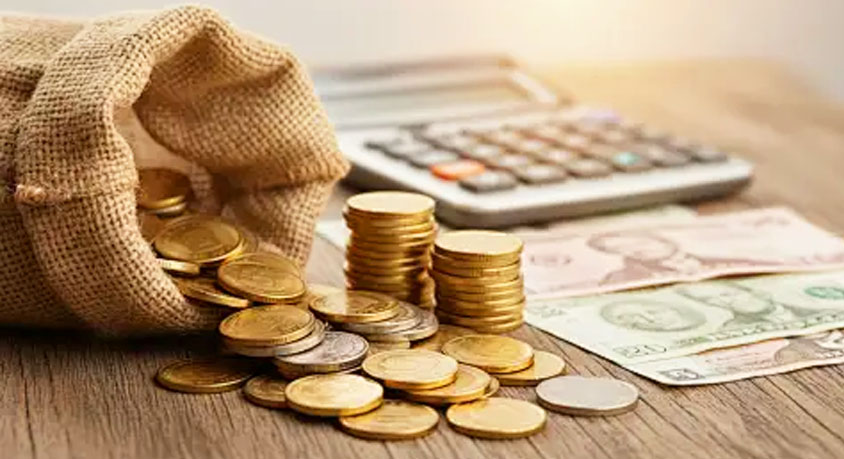
Most people treat their savings account like a secure vault where their hard-earned money sits safely protected from the world. In reality, in an inflationary environment, your bank account is more like an ice cube sitting on a kitchen counter in the middle of a July afternoon in Bangkok. It looks solid. It feels cold. But every single minute, a little bit of it turns into water and slips away. By the time you decide to use it, that large block you started with has shrunk into something much smaller. You might see a 4% interest rate on your screen and feel like a winner, but if the cost of the things you actually buy—rent, energy, a decent steak—is rising by 6% or 7%, you are effectively paying the bank for the privilege of watching your wealth disappear.
The industry loves to talk about nominal returns because it makes the products look attractive. They want you to focus on the number at the bottom of your monthly statement. But you don't live in a world of nominal numbers; you live in a world of purchasing power. If you could buy a thousand loaves of bread with your savings last year, and this year you can only buy nine hundred, you are poorer. It doesn't matter if your bank balance went up. I once met a retired teacher in California who was terrified of the stock market because she didn't want to lose her principal. She kept every cent in a standard savings account for fifteen years. She didn't lose a single dollar of her principal, but she lost nearly half of her lifestyle because the world moved on without her.
This brings us to the great cognitive gap: the confusion between volatility and risk. The financial industry has spent decades brainwashing you into thinking that a fluctuating price is the ultimate danger. They want you to stay in safe cash instruments because it is easy for them to manage and the fees are hidden in the spread. But the real risk isn't that your portfolio value goes up and down 10% in a month. The real risk is the silent, permanent destruction of your ability to buy things ten years from now. Cash is a great tool for a week, a decent tool for a month, but a catastrophic strategy for a decade.
If you want to stop the melting, you have to stop thinking like a saver and start thinking like an owner. When you own a piece of a business, or a piece of land, or even a bar of gold, you own something that exists in the physical world. If the currency loses value, the price of that thing generally moves up to compensate. It is like owning the ice cream shop instead of just holding the ice cream cone. If the sun gets hotter, the price of the cone goes up, and your business survives. If you just hold the cone, you are left with sticky fingers and an empty hand.
My own wake-up call came early in my career when I realized that the wealthiest clients we served never held more than a tiny fraction of their net worth in cash. They used cash as a steering wheel, not as the engine. They held enough to pay their bills and jump on a new opportunity, but the rest was always working in assets that could fight back against the tide. I have made the mistake of sitting on too much cash during a market recovery, waiting for the perfect entry point while the value of my dollars evaporated. It is a painful lesson to learn that staying safe is often the riskiest move you can make.
You need to build a simple filter for your money. Every time you look at an investment, ask yourself: does this asset have the power to raise its prices? Can this company charge more when their costs go up? If the answer is no, you are just holding a different version of that melting ice cube. You don't need a Bloomberg terminal to see the truth. Look at the price of your favorite coffee, your gym membership, or your car insurance. If those numbers are moving up, and your investment returns aren't moving faster, you are running a race you cannot win.
The finance world is designed to keep you comfortable while they slowly shave off your wealth. They provide the air conditioning while your ice cube melts. It is time to step out of the comfort zone and look at what your money can actually buy.
Disclaimer: Mention of any brand or trademark is for identification only and does not imply partnership or endorsement