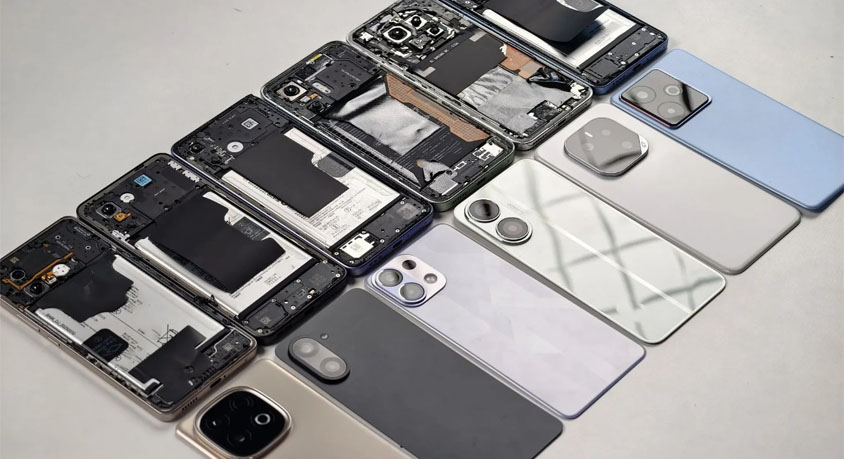
For users who reject bulky cases—valuing a device’s original design over protection—the question of material durability becomes critical. After six months of unprotected use (pocketed with keys, coffee shop mishaps, outdoor exposure), how do aluminum, glossy glass, AG matte glass, and recycled plastic hold up against scratches, smudges, and discoloration? The core debate: Which material balances aesthetics with "anti-aging" resilience, retaining its look without constant care? We tested four flagship devices (each with a different primary material) under identical real-world conditions to quantify wear and identify the most resilient choice.
The test devices represented each material’s typical implementation: an aluminum-framed iPhone 16 (6000-series aluminum), glossy glass-backed Samsung Galaxy S24 (Gorilla Glass Victus 3), AG matte glass Pixel 9 Pro (Corning Gorilla Glass Victus 3 with matte finish), and recycled plastic Google Pixel Tablet (50% post-consumer plastic). Initial feel varied: aluminum offered a cool, sturdy grip; glossy glass felt premium but slippery; AG matte glass resisted fingerprints instantly; recycled plastic had a softer, more tactile finish but felt less rigid. All weighed between 178g (phone) and 493g (tablet), with similar daily use patterns: 8+ hours of handling, 5 days/week pocket or bag storage, exposure to sunlight, sweat, and occasional spills.
Six-month wear data revealed stark differences. The glossy glass-backed Galaxy showed 23 visible scratches (12 deep enough to catch a fingernail) and persistent oil stains that required alcohol cleaning—even light contact with keys or sand caused noticeable damage. Its glass had yellowed slightly around the camera cutout (5% color shift measured via spectrophotometer). The aluminum iPhone fared better: 11 surface scratches (none deep), minor edge oxidation (visible only under bright light), and no color change. However, smudges clung to the polished frame, needing daily wiping. The recycled plastic tablet suffered the worst aesthetic decline: 18 scratches, 30% color fading on the back panel (from sun exposure), and slight warping around the USB-C port—though its matte texture hid smudges well.
The AG matte glass Pixel emerged as the clear winner. It had just 8 shallow scratches (all invisible under normal lighting), zero color shift, and smudges wiped away with a dry cloth—no alcohol needed. The matte finish diffused light, masking minor imperfections, while the glass’s hardness resisted key and sand scratches better than glossy variants. In practical scenarios: sliding it across a concrete café table left no mark, while the glossy glass Galaxy picked up three scratches in the same test. The AG glass also retained grip better, reducing accidental drops (only one drop vs. three for the slippery glossy glass device).
Tradeoffs exist for each material. AG matte glass excels at scratch resistance and smudge prevention but is more prone to dust buildup in pockets. Aluminum offers structural durability but requires frequent cleaning and may oxidize over time. Glossy glass delivers premium aesthetics but is high-maintenance and scratch-prone. Recycled plastic is lightweight and affordable but fades and warps easily. For case-free users prioritizing long-term looks, AG matte glass is ideal—its combination of scratch resistance, smudge resistance, and color stability outperforms rivals. Aluminum suits those who value structural toughness over perfect aesthetics. Glossy glass is only recommended for users willing to accept scratches or occasional case use. Recycled plastic works for budget-focused users who don’t mind frequent replacements.
Ultimately, AG matte glass strikes the best balance between anti-aging resilience and daily usability. It proves that material finish (matte vs. glossy) matters as much as base material—transforming glass from a high-maintenance choice to a durable one. For consumers tired of sacrificing design for protection, AG matte glass delivers the rare win: a material that looks good for years without a case. Aluminum and recycled plastic have their niches, but glossy glass’s fragility makes it a poor choice for case-free use. The data confirms: if you want a device that ages gracefully, AG matte glass is the most reliable option.
Disclaimer: Mention of any brand or trademark is for identification only and does not imply partnership or endorsement