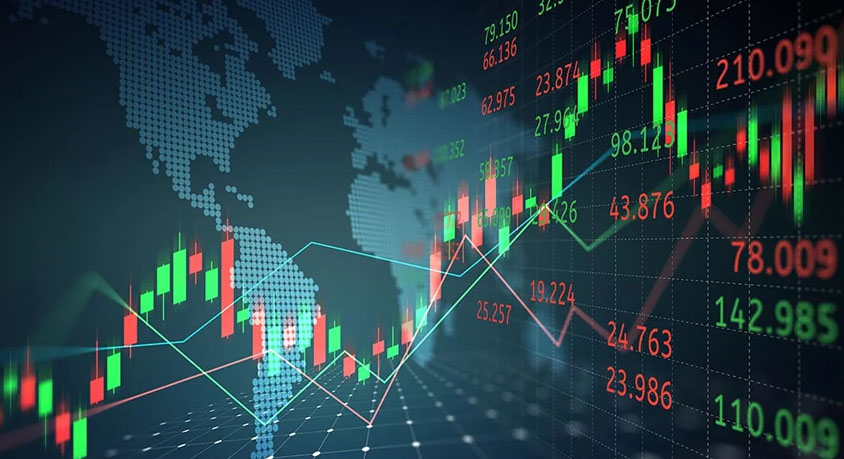
The panicked knocking on my front door at three in the morning didn't come from a burglar, but from my neighbor, a sensible high school teacher named Greg, who was clutching his iPad like a holy relic. He looked like he hadn't slept in forty-eight hours, his eyes bloodshot from staring at green and red candles on a sub-Reddit forum. Greg had just "yoloed" his entire vacation fund into a struggling cinema chain stock because a guy with a diamond-fist avatar promised him it was going to the moon. He wanted me, the "finance guy," to tell him that the 40% drop he was seeing in pre-market trading was just a ladder attack by evil hedge funds. I had to look him in the eye and tell him the truth: he wasn't investing in the future of cinema; he was playing a high-stakes game of musical chairs where the music had already stopped, and he was the only one left without a seat.
You need to understand that buying a meme stock is not like buying a piece of a business; it is like buying a ticket to a chaotic backyard wrestling match. In a normal investment, you are buying a slice of a company’s future earnings, their patents, and their hard-working staff. With meme stocks, you are buying a "vibe." It is a giant social experiment fueled by boredom and digital adrenaline. Imagine a greasy spoon diner that serves terrible food and has failing plumbing, but suddenly, a thousand teenagers show up and start bidding a hundred dollars for a single cheeseburger because they want to "troll" the fancy steakhouse across the street. The price of the cheeseburger goes up, sure, but the meat is still rotten. Eventually, the teenagers get bored and go to a different diner, and you are left holding a hundred-dollar spoiled burger that nobody else wants to touch.
I remember my own early mistakes on a trading desk where I thought I could outsmart the herd by following the noise. I learned very quickly that the people who scream the loudest about "holding the line" are usually the ones quietly selling their shares to you at the peak. They need your "exit liquidity." They need you to be the "greater fool" who buys at the top so they can lock in their profits. It is a predatory cycle wrapped in the language of a revolution. These stocks don't move based on how many cars a company sells or how much software they license; they move based on how many emojis are posted in a chat room. That isn't a strategy; it is a seizure.
If you are tempted by the flashy screenshots of six-figure gains you see on Twitter, you need to check the "volatility-to-sanity" ratio of what you are buying. First, ask yourself if this company would even exist in five years if the internet suddenly went dark. If the answer is no, you aren't an investor; you are a gambler who is playing against high-frequency trading algorithms that can react in milliseconds while you are still trying to log into your app. These bots don't have emotions, and they don't care about your "diamond hands." They are designed to sniff out retail excitement and strip it bare.
The second thing you must realize is that "community" in finance is usually a red flag. Real wealth is built in the quiet, boring corners of the market, not in a digital mosh pit. When everyone is shouting the same slogan, critical thinking dies. A friend in New York once told me he felt "part of a movement" when he bought into a failing tech hardware stock. He felt like he was fighting the system. But the "system" didn't lose; only his savings account did. The market doesn't have a moral compass, and it certainly doesn't care about your desire to "eat the rich." It only cares about cash flow and terminal value. If a stock is up 500% in a week for no fundamental reason, you aren't early to the party—you are the person left to clean up the empty bottles and pay the catering bill.
My logic is simple: stop treating your brokerage account like a video game console. If you want excitement, go to a casino where they at least give you free drinks while they take your money. If you want to grow your wealth, you need to buy things that actually produce value. You need to be the person selling the shovels, not the person digging for gold in a dried-up creek because a meme told them to. Greg ended up selling at a massive loss, a mistake that delayed his retirement by three years. He still checks the price every day, hoping for a miracle that will never come, haunted by the ghost of what he thought was easy money.
Are you buying that stock because you believe in the company's 10-year growth plan, or are you just terrified that someone else is getting rich without you? If you can't answer that question without using a slang term or an emoji, you already know the answer. The hardest part of investing isn't finding the next big thing; it is having the discipline to ignore the loud, colorful distractions that are designed to separate you from your future. Will you be the one standing on solid ground when the hype evaporates, or will you be left staring at a screen, wondering where all the music went?
Disclaimer: Mention of any brand or trademark is for identification only and does not imply partnership or endorsement