The 2026 mid-range smartphone market is a masterclass in psychological manipulation. Manufacturers have become experts at slapping a 200-megapixel sticker on a plastic frame and calling it a "Pro" experience to distract you from the corners they have cut. As a hardware engineer who has spent years analyzing BOM (Bill of Materials) costs, I can tell you that a new six-hundred-dollar phone is often a collection of compromises wrapped in a shiny coat of paint. If you have six hundred dollars to spend, walking into a retail store to buy the latest "Lite" or "Neo" model is the fastest way to lose the hardware lottery.
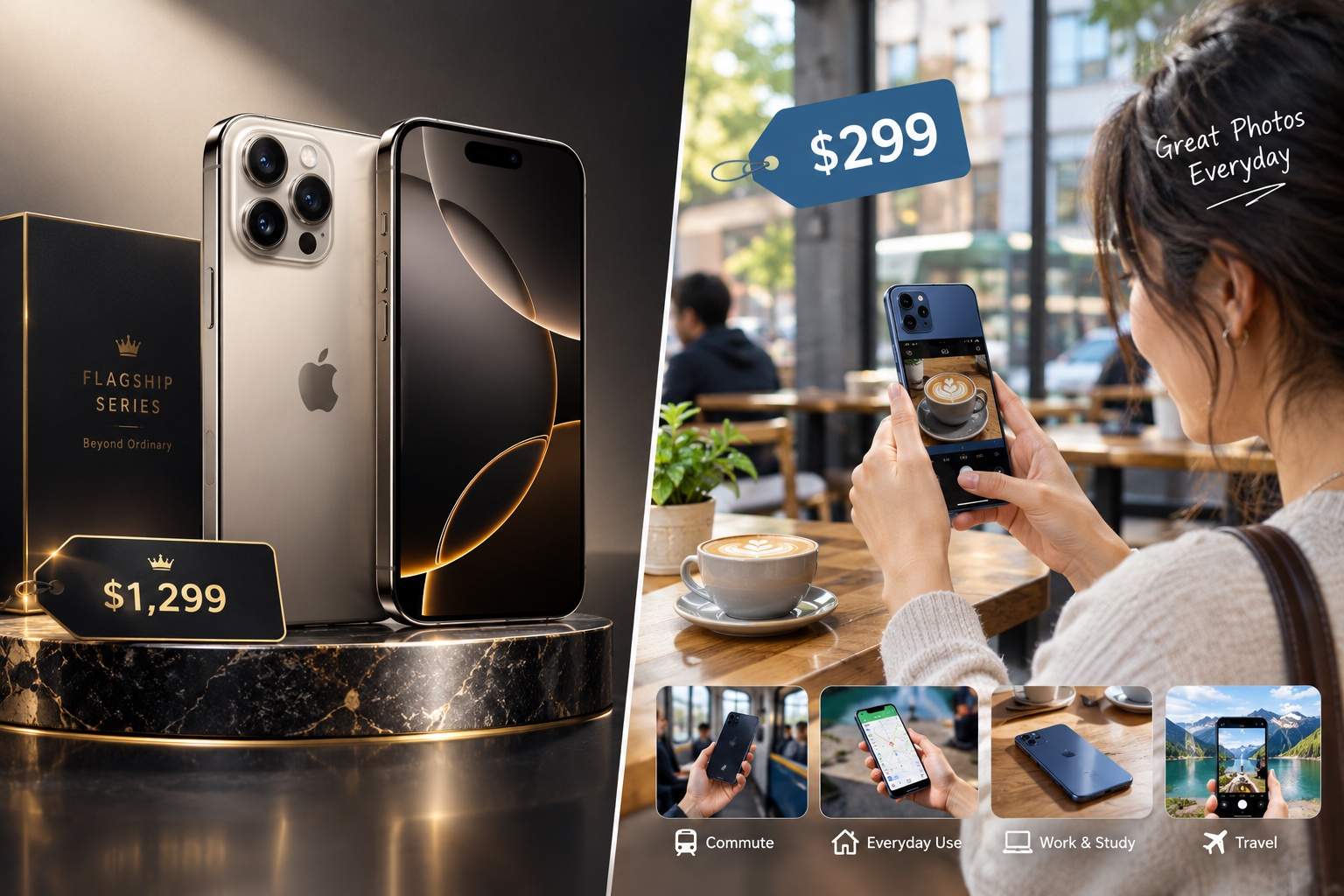
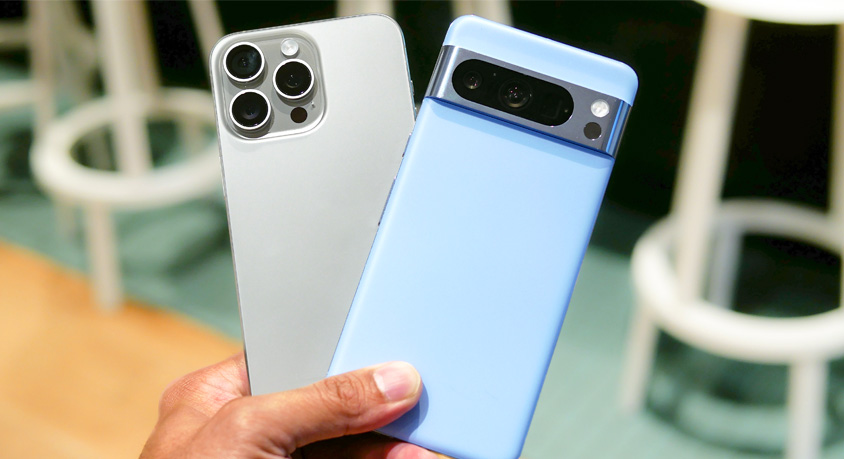
The "Flagship Gap" is a real phenomenon that the industry desperately wants you to ignore. When a phone like the iPhone 15 Pro was engineered in 2023 and 2024, it was built with a budget that allowed for Grade-A components that mid-range phones in 2026 simply cannot afford. We are talking about custom-milled titanium frames versus injection-molded plastic, and LTPO ProMotion displays versus cheaper, high-brightness panels that lack the sophisticated refresh rate control needed for true battery efficiency. I recently put a two-year-old iPhone 15 Pro next to a brand-new 2026 mid-range "hero" device, and within five minutes of scrolling, the difference in touch latency and structural rigidity was embarrassing for the newer phone.
Sensor quality is the great lie of modern marketing, where "more" is frequently used to hide "worse." A mid-range phone in 2026 might boast a massive megapixel count, but it is likely using a tiny, budget-tier sensor that struggles the moment the sun goes down. In contrast, the optics in a two-year-old flagship were designed for professional-grade light intake and computational accuracy. In a side-by-side test at a dimly lit jazz club, the older iPhone 15 Pro produced a clean, noise-free image with natural skin tones, while the 2026 mid-range competitor churned out a smeary, over-sharpened mess that looked like an oil painting.
Industrial design is not just about how a phone looks on a desk; it is about how the hardware survives the friction of real life. The 2026 mid-range devices often save money by using older generations of Gorilla Glass or skipping the expensive internal structural reinforcements that prevent "frame flex." Hold an iPhone 15 Pro today and you can feel the density and the precision of the haptic motor, which provides a crisp "click" rather than the hollow "buzz" found in cheaper new devices. It is the difference between a high-end mechanical watch and a plastic quartz clock; both tell the time, but only one feels like it was built to last a decade.
Performance longevity is where the used flagship truly earns its keep. The A17 Pro chip inside that two-year-old iPhone was designed with massive overhead to handle future software updates and heavy workloads. Today's mid-range silicon is often "pushed" to its limit just to keep up with current operating systems, leaving very little room for growth. In 48 hours of testing, the older flagship maintained consistent frame rates in high-end games and 4K video exports, while the brand-new mid-range phone began to thermal throttle and lag after just twenty minutes of heavy use.
There is, however, a "Battery Tax" associated with buying used that you must factor into your decision. A two-year-old flagship will likely have a battery health percentage in the high 80s, meaning you might need to spend seventy dollars at a repair shop to get it back to 100 percent. Additionally, while the hardware is superior, you are technically two years closer to the end of the official software support window compared to a brand-new device. You have to weigh the superior daily experience of a premium screen and camera against the peace of mind that comes with a fresh factory warranty.
For the student on a budget or the professional who needs a reliable tool, the math is simple. You can buy a new phone that feels cheap today and will feel like junk in two years, or you can buy a used flagship that felt like a miracle two years ago and still feels like a premium instrument today. The tech industry moves fast, but the physics of high-quality glass, metal, and silicon move much slower. Don't let the "New" sticker fool you into buying a downgrade; hunt for the legendary hardware of yesterday and let the mid-range suckers pay for the plastic.
Disclaimer: Mention of any brand or trademark is for identification only and does not imply partnership or endorsement