


In the ecosystem of independent film, where budgets are measured in favors and authenticity is the primary currency, the vehicle you arrive in is never just transportation. It is the first frame of your personal establishing shot, a non-verbal statement loaded with subtext. Pulling up to a location scout or a coffeeshop meeting in a gleaming new luxury SUV can read as "commercial," "funded by parents," or "out of touch." Arriving in a well-kept, boxy relic from Northern Europe—like a Volvo 240 wagon or a Saab 900—communicates something entirely different. It's a calculated, quiet signal that speaks a specific dialect of practicality, intellectualism, and anti-mainstream sensibility that the indie world is wired to understand.
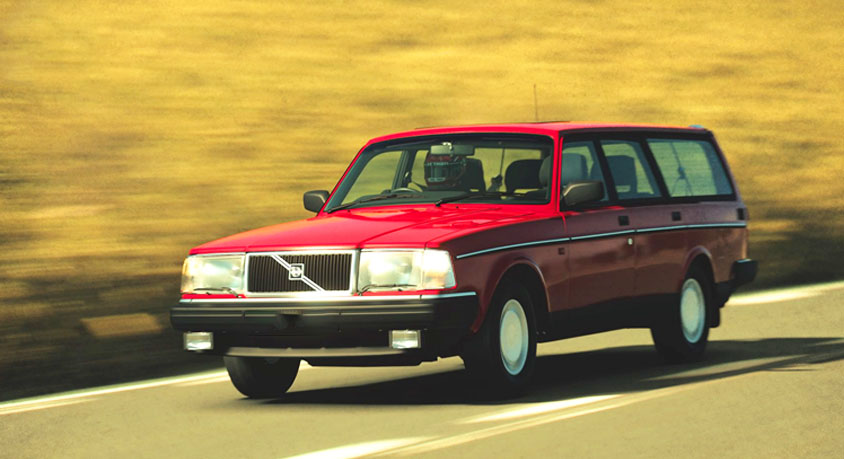
The design language of these cars is one of rationalist geometry, a stark contrast to the emotional curves of contemporary vehicles. The Volvo 240 wagon, with its upright greenhouse, flat hood, and distinct shoulder line, looks less like a styled object and more like a functional volume, a moving diagram of efficient space. The Saab 900, with its distinctive wraparound windshield and hatchback profile, was born from aerospace principles, prioritizing aerodynamics and structural safety over ornamentation. This aesthetic communicates a values system: substance over style, logic over flair, a preference for the thoughtfully engineered over the merely attractive. It suggests a driver who makes decisions based on internal metrics, not external trends—a highly desirable trait for a collaborator.
Cinema has cemented these cars as props for specific archetypes. The Volvo wagon is the dependable, slightly rumpled vehicle of the professor, the investigative journalist, or the thoughtful parent in a nuanced drama. It signifies reliability, safety, and a certain unpretentious middle-class integrity. The Saab, often seen in 1980s and 90s films, was the car of the iconoclastic architect, the witty academic, or the tech visionary before that role was ceded to Tesla. Their on-screen history is a form of cultural shorthand, allowing you to borrow a pre-established narrative of intelligence and quirky individualism simply by turning a key. You're not just driving a car; you're referencing a canon.
Mechanically, their appeal is rooted in accessible, analog engagement. A vintage Volvo's red block engine is simple, durable, and understandable, a machine you can learn to maintain. A Saab's turbocharged engine and distinctive placement of the ignition between the seats are talking points, evidence of a unique engineering philosophy. Choosing to daily-drive such a vehicle implies a hands-on relationship with machinery, a tolerance for minor idiosyncrasies, and an appreciation for stories embedded in objects. It suggests you see value in things that last and have character, a perspective that aligns perfectly with the indie ethos of resourcefulness and meaning.
Ultimately, the signal is one of curated allegiance. In a scene wary of overt commercialism, these cars are post-consumer. They are no longer sold new, so your choice cannot be mistaken for buying into a current marketing campaign. Instead, it signals research, curation, and a conscious opt-out of the new-car cycle. It says you have taste that operates outside of contemporary showrooms. For a director looking for an actor who can embody authenticity, or a producer seeking a collaborator with a point of view, the car parked outside is a powerful, pre-interview data point. It doesn't promise talent, but it strongly suggests you're reading from the same script—one where the most interesting stories aren't found in the mainstream, but in the well-preserved, intelligent margins.
Disclaimer: Mention of any brand or trademark is for identification only and does not imply partnership or endorsement