If you look at the headlines chronicling the volatility of mega-cap tech stocks and then hear a quiet report that billionaires like Bill Gates have become America's largest private farmland owner, a fundamental question emerges. What do they see in dirt that they no longer see in algorithms and cloud compute? Most people view farmland as a low-tech, old-economy relic, the opposite of a growth asset. They are actually wrong. This isn't a nostalgic retreat to simplicity; it's a sophisticated, forward-looking allocation into one of the most structurally sound asset classes on earth. Having analyzed both digital and physical value for years, I can tell you this shift isn't about abandoning technology; it's about embracing a different kind of arithmetic—one governed by irreversible scarcity, inelastic demand, and resilience to both inflation and economic cycles. The smartest capital is seeking the ultimate hedge: investing in the very foundation of human survival.
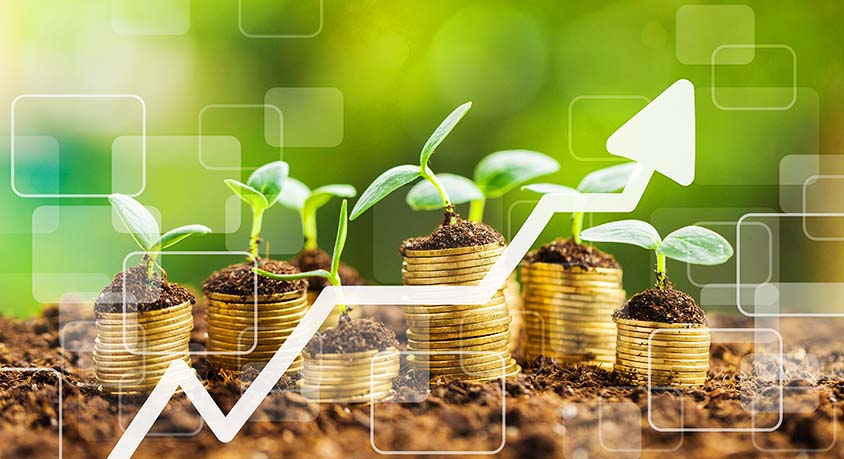
Let's analyze the underlying financial physics. Productive farmland is the definition of a real asset with inelastic supply. They are not making more of it. In fact, due to urbanization and soil degradation, high-quality acreage is arguably a shrinking resource. On the demand side, the equation is brutally simple: a growing global population needs to eat. This creates a foundational, non-negotiable demand curve. Unlike a software subscription that can be canceled in a recession, food consumption is remarkably stable. This combination—finite supply and persistent demand—creates a powerful long-term value trajectory. Ordinary investors see a field and think of slow, seasonal cycles. Masters of capital see a perpetual value machine with embedded optionality. The land itself appreciates over time due to scarcity, while the annual crop (or cash rent from a farmer) provides a steady, inflation-responsive income stream. It’s a hard asset that pays a dividend.
Now, layer on the macro environment. In a world of monetary expansion and potential currency debasement, farmland acts as a potent inflation hedge in two ways. First, as input costs (fuel, fertilizer) and consumer food prices rise, the value of the output (corn, wheat, soybeans) tends to rise in tandem, protecting the real income from the land. Second, and more profoundly, the land's capital value is often reappraised based on its income-generating potential. Rising commodity prices translate directly into higher net operating income, which justifies a higher land price. This is a direct linkage to the real economy that a tech stock, valued on future discounted cash flows in a specific currency, does not possess. Furthermore, farmland exhibits low correlation with traditional financial markets. When the Nasdaq zigs, cornfields don't necessarily zag, but they certainly don't move in lockstep. This provides genuine portfolio diversification, reducing overall volatility for a holder of both tech equities and dirt.
The operational model is equally compelling. The ultra-wealthy aren't becoming full-time farmers. They are capital allocators and landlords. They partner with professional farm management companies or lease the land to experienced farming operations. This generates a hands-off cash rent or crop-share income, often with annual returns (cash yield plus appreciation) that have historically rivaled or exceeded the S&P 500, but with far less volatility. There are also significant tax advantages; agricultural property often qualifies for lower property tax rates, and expenses can be structured efficiently. For a portfolio saturated with intangible, volatile financial assets, a slice of productive earth represents ballast—a timeless store of value that generates food, cash, and calm.
So, what is the actionable insight for the rest of us? I advise you to stop viewing asset classes through a lens of "sexy" versus "boring." The masters' move is a lesson in first-principles investing. You can adopt this framework without buying an acre. First, Understand the Value Drivers. Study what makes an asset truly resilient: irreplaceability, essential utility, and the ability to generate real-world cash flow. Apply this lens beyond farmland to your entire portfolio. Second, Seek Non-Correlated Exposure. The goal isn't to replicate Gates' portfolio, but to ask: what in my life is overexposed to one type of risk (e.g., digital disruption, interest rates)? How can I introduce assets that thrive under different conditions? Third, Respect Operational Complexity. The barrier to direct farmland investment is high—illiquidity, large capital requirements, and management overhead. For most, the lesson is conceptual: true wealth preservation often involves owning pieces of the indispensable, physical world, not just financial claims on it.
The billionaires buying farmland are not betting against progress. They are making a calculated bet on permanence. In a digital age of ephemeral trends and disruptive shocks, they are anchoring a portion of their fortune in the original, un-hackable, appreciating asset: fertile soil. It’s a reminder that the most advanced financial strategy sometimes involves recognizing that the ultimate technology is photosynthesis, and the most reliable network is the one of roots, rain, and sunlight. Their play isn't about going backward; it's about ensuring their wealth is rooted in something that cannot be deleted, dematerialized, or devalued by the next shift in sentiment. In the long arc of history, the people who own the land that feeds the world hold a kind of quiet, enduring power that no software patent can ever match.
Disclaimer: Mention of any brand or trademark is for identification only and does not imply partnership or endorsement